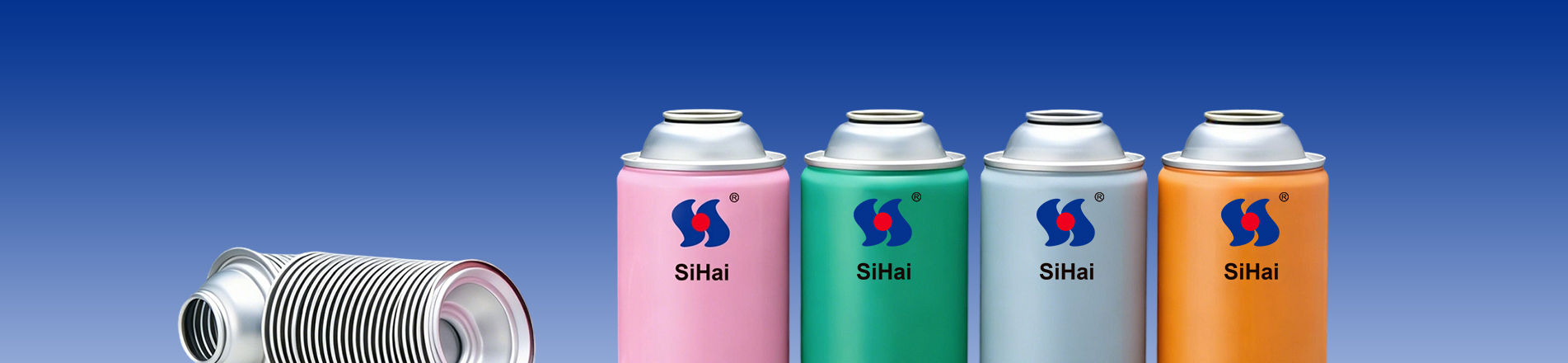
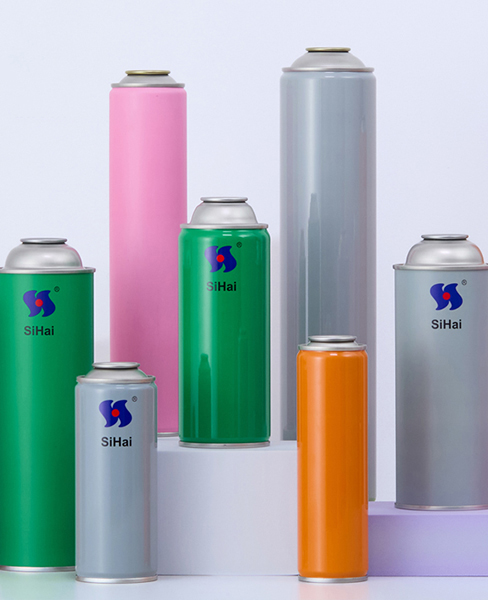
Aerosol products have become an essential part of modern life and industrial production. From automotive maintenance and household cleaners to paints, lubricants, adhesives, insecticides, and personal care products, aerosol cans offer convenience, efficiency, and precise application.
However, because aerosol cans contain pressurized contents and propellants, proper handling and storage are critical to ensuring user safety and product integrity. At SiHai, we believe that quality aerosol packaging should not only perform reliably but also support safe use throughout the product's lifecycle.
Understanding the Potential Hazards of Aerosol Cans
Aerosol cans are designed to safely contain pressurized products under normal conditions. However, improper storage, handling, or disposal can create serious risks.
1. Fire and Explosion Hazards
Many aerosol formulations contain flammable solvents or propellants. When released as a fine mist, these substances can ignite easily if exposed to:
-
Open flames
-
Sparks
-
Electrical equipment
-
Hot surfaces
-
Excessive temperatures
Exposure to high heat can also increase the internal pressure of the can, potentially leading to rupture or explosion.
2. Pressure-Related Injuries
Aerosol cans are engineered to withstand internal pressure, but physical damage can compromise their integrity.
Potential risks include:
-
Puncturing the can
-
Crushing during storage or transportation
-
Exposure to extreme temperatures
-
Improper disposal in compactors or incinerators
A ruptured can may release contents violently and cause injuries from flying metal fragments or chemical exposure.
3. Health and Chemical Exposure Risks
Depending on the product formulation, aerosol contents may contain chemicals that can cause:
Using aerosol products in poorly ventilated areas significantly increases these risks.
4. Environmental Impact
Improper disposal of aerosol cans can contribute to environmental contamination through:
Responsible disposal is essential to minimize environmental impact.
Best Practices for Safe Aerosol Can Storage
Proper storage is the first step in maintaining aerosol can safety.
Store in a Cool, Dry Environment
Aerosol cans should always be stored:
-
Away from direct sunlight
-
Away from heaters, furnaces, and other heat sources
-
In temperatures recommended by the product manufacturer
-
In well-ventilated areas
Excessive heat can increase internal pressure and compromise container safety.
Keep Cans Upright
Storing cans in an upright position helps:
Avoid Excessive Stacking
Overstacking can cause:
Following proper palletizing and warehouse storage practices is highly recommended.
Safe Aerosol Can Handling and Usage
Never Puncture or Burn Aerosol Cans
Even when empty, aerosol cans may still contain residual pressure and product. Never:
-
Pierce the container
-
Crush the can
-
Burn or incinerate it
Use in Well-Ventilated Areas
Always operate aerosol products in areas with adequate airflow to minimize inhalation exposure.
For industrial applications, additional ventilation systems may be required depending on the formulation being used.
Wear Appropriate Personal Protective Equipment
When handling industrial aerosol products, consider using:
Personal protective equipment should be selected according to the product's Safety Data Sheet (SDS).
Avoid Ignition Sources
Never spray aerosol products near:
This is particularly important for flammable aerosol formulations.
Responsible Disposal and Recycling
Proper disposal is an important part of aerosol can safety management.
Follow Local Regulations
Different countries and regions have specific requirements for aerosol waste management. Always comply with local regulations regarding disposal and recycling.
Recycle Empty Aerosol Cans Whenever Possible
Most empty aerosol cans manufactured from tinplate or aluminum can be recycled through approved metal recycling programs.
Before recycling:
-
Ensure the can is completely empty.
-
Follow local recycling guidelines.
-
Verify acceptance requirements with your waste management provider.
Do Not Dispose of Partially Filled Cans in General Waste
Aerosol cans containing residual product may still present:
-
Pressure hazards
-
Fire hazards
-
Environmental risks
These containers should be handled according to hazardous waste disposal regulations where applicable.
The Role of High-Quality Packaging in Aerosol Safety
Aerosol safety begins with reliable packaging. High-quality aerosol cans are designed to maintain pressure integrity, resist corrosion, and protect product performance throughout transportation, storage, and use.
At SiHai, we manufacture aerosol packaging solutions with strict quality control standards, including:
-
High-quality tinplate materials
-
Precision welding technology
-
Reliable internal coatings
-
100% leak detection procedures
-
Compliance with international packaging requirements
Our commitment to safety and quality helps customers deliver dependable aerosol products to markets worldwide.
Conclusion
Aerosol cans are safe and highly effective packaging solutions when used correctly. By following proper storage, handling, and disposal practices, manufacturers, distributors, and consumers can significantly reduce risks and maximize product safety.
At SiHai, we remain committed to producing high-quality aerosol packaging that supports both performance and safety. If you are looking for a reliable partner for aerosol cans, cones, domes, or tinplate printing solutions, our team is ready to support your next project.
Contact us today to learn more about our aerosol packaging solutions.
.jpg)

 en
en ru
ru es
es pt
pt zh-CN
zh-CN