In the aerosol packaging industry, not all cans are created equal. Different products demand different specifications, and choosing the right container can significantly impact filling efficiency, shelf life, and consumer safety. Today, we shine a spotlight on one of our most versatile and widely used products: the Φ52mm Necked-in Aerosol Can.
As a leading manufacturer of the empty aerosol tin can, Guangdong Sihai has refined this particular model to meet the rigorous demands of both standard and high-pressure applications. With a cone and dome size of 195&200, this can is engineered for precision and durability.
Key Specifications:
Can Body Thickness: 0.18–0.21mm
Cone Thickness: 0.26–0.32mm
Dome Thickness: 0.25–0.32mm
Height Range: 98–240mm
Why the Φ52mm Necked-in Design?
The necked-in structure refers to the narrowing of the can's top section, which allows for a smaller valve and cap assembly compared to a straight-wall can. This design offers several practical advantages. First, it reduces material consumption without compromising structural integrity, making it a cost-effective choice for high-volume production. Second, the reduced opening provides a more secure fit for the valve, minimizing the risk of leakage during storage and transport. Third, the compact top profile enhances the overall aesthetic of the finished product, giving brands greater flexibility in cap and actuator design.
Pressure Performance You Can Rely On
What truly sets this can apart is its pressure resistance. For standard applications, it offers a deformation pressure of ≥1.2Mpa and a bursting pressure of ≥1.4Mpa. For products requiring higher safety margins, our high-pressure version delivers a deformation pressure of ≥1.8Mpa and a bursting pressure of ≥2.0Mpa—making it ideal for demanding formulations.
These pressure ratings are not simply stated; they are verified through rigorous in-house testing. Our independent laboratory conducts deformation and bursting tests on every production batch, ensuring that each empty aerosol tin can meets the stated performance criteria before shipment. This level of quality control is particularly critical for products that contain flammable, volatile, or pressurized ingredients.
Applications Across Industries
The Φ52mm Necked-in Aerosol Can is a popular choice for a wide range of applications. In the personal care sector, it is commonly used for deodorants, hairsprays, and shaving foams. In household chemicals, it serves as packaging for air fresheners, furniture polish, and cleaning sprays. The automotive industry relies on it for lubricants, penetration oils, and spray paints. Its versatility makes it a staple product for many of our long-term partners.
Manufacturing Excellence Behind Every Can
At Guangdong Sihai, every empty aerosol tin can is produced under ISO9001:2015 quality management and GB13042-2008 standards. Our fully automated production lines—including 16 pressing lines for cones and 9 lines for domes—ensure consistent quality and timely delivery. With a cone production capacity of 320 pieces per minute and a dome capacity of 900 pieces per minute, we are well-equipped to handle large-volume orders without sacrificing precision.
Beyond standard production, our in-house R&D team and independent mold design capabilities allow us to customize specifications to match your exact requirements. Whether you need a different height, thickness, or pressure rating, we can develop a solution tailored to your product.
Partner with Guangdong Sihai
Whether you are launching a new product or optimizing an existing line, the Φ52mm Necked-in Aerosol Can offers a proven combination of performance, safety, and value. With over 25 years of manufacturing expertise and a growing global footprint, Guangdong Sihai is ready to support your next project. Contact us today to discuss how we can bring value to your supply chain.
Empty Aerosol Cans represent unfilled containers you purchase for commercial filling and branding. Your choice directly impacts product performance, regulatory compliance, brand image, and total project cost. Working with a trusted supplier proves essential. SiHaiPack operates as a reputable empty aerosol can manufacturer, providing both standard and customized can solutions for your specific needs.
Key Takeaways
Select a necked-in can to save metal and lower shipping costs. Choose a straight-walled can for more branding space and a premium shelf look.
Pick aluminum for lightweight, premium personal care products. Choose tin-plated steel for durable, cost-effective industrial and household chemicals.
Match the internal lining to your product's chemistry. Use epoxy for cosmetics, phenolic for strong solvents, and special coatings for aggressive formulas.
Main Types of Empty Aerosol Cans
You will encounter two leading families of aerosol tin can types on the market. Each family serves distinct filling lines and product categories. Understanding these differences helps you match the container to your formulation and brand goals.
Necked-In vs. Straight-Walled
Necked-in cans feature a narrowed top and bottom. This design saves metal and reduces shipping weight. The necked-in profile also accepts standard valve cups without extra tooling. Straight-walled cans keep a constant diameter from top to bottom. They offer a larger printable surface and a cleaner label area. Straight-walled cans often suit products that need full-body graphics or a premium shelf presence.
Your choice between these two shapes affects filling speed, valve seating, and pallet efficiency. Necked-in cans stack more tightly and lower freight costs. Straight-walled cans give your design team more room for branding. Both formats work with the common top opening. This opening standard determines which valves and actuators you can use. Verify this dimension before you commit to a can order.
Specialty Can Formats
Specialty formats extend beyond the standard cylindrical can. Bag-on-valve (BoV) designs separate the product from the propellant inside a sealed pouch. This separation supports food applications. You can use BoV for cooking sprays with food-safe propellants and better coverage. Whipped toppings benefit from consistent texture without flavor contamination. Specialty condiments gain extended shelf life. Beverage applications also use BoV for innovative delivery systems in functional drinks. Food products rely on BoV to guarantee freshness and reliable dispensing, as seen in whipped cream and cooking sprays.
Pistol and twist-lock designs serve other niches. Pistol cans fit ergonomic grips for targeted spraying. Twist-lock cans allow consumers to lock the actuator and prevent accidental discharge. These formats appear in personal care, household, and industrial lines.
Personal care brands favor aluminum for its lightweight, sleek feel. Aluminum supports 6–9 color offset printing, embossing, and debossing for a premium look. Steel cans are durable and cost-effective, commonly used for industrial and household chemical products. Common personal care applications for empty aerosol cans include sunscreen and spray tan, hairspray, dry shampoo, deodorant, perfume, facial and body mists, and body lotion. Each application demands a specific valve, can dimension, and internal lining. Match these elements early to avoid reformulation later.
Standard Sizes and Capacities
Common Milliliter and Ounce Ranges
Empty Aerosol Cans come in a range of capacities. Smaller cans often serve travel-size and single-use personal care items, with the TSA 3-1-1 rule capping carry-on containers at 100 ml. The TSA 3-1-1 rule sets the carry-on liquid limit at 3.4 oz / 100 ml per container. This limit applies to aerosol sprays. Travelers may bring one quart-sized bag of liquids, aerosols, gels, creams, and pastes. Each container must stay within the 3.4 oz (100 ml) cap. A 200 ml can does not meet this rule for carry-on use. You should reserve smaller formats for checked baggage or domestic lines. Larger 405 ml and 520 ml cans serve full-size retail products. These sizes reduce filling cost per unit and lower packaging waste.
Diameter and Height Options
You will find typical aerosol can sizes with diameters from 50 mm to 66 mm and heights from 143 mm to 225 mm. Diameter codes help you match valves and caps. The 202 code measures 52 mm and serves as the most ubiquitous diameter for household aerosol cans. The 205 code measures 57 mm and grows more common each year. The 211 code measures 65 mm and fits spray paints, industrial products, and large-format food sprays.
Diameter Code
Diameter (mm)
Common Uses
202
52 mm
Personal care and household items
205
57 mm
Growing standard for many lines
211
65 mm
Spray paints and industrial products
A 400 ml can shows how height and diameter trade off. You can choose Diameter 50 × 225 mm, Diameter 53 × 205 mm, Diameter 59 × 169 mm, or Diameter 66 × 143 mm. Each option holds 405 ml full capacity and 300 ml liquid gas capacity. Wider cans run shorter. Taller cans run narrower. This flexibility lets you fit shelf space, pallet layout, and filling line constraints.
Materials and Coatings
Aluminum vs. Tin-Plated Steel
You will choose between two base metals for Empty Aerosol Cans: aluminum and tin-plated steel. Both materials are fully recyclable. Aluminum offers a lightweight body and a sleek feel. Tin-plated steel provides a durable, cost-effective option for industrial and household chemical products.
The barrier properties differ between these two materials. Tinplate's steel core blocks oxygen, light, and moisture completely. The tin coating sacrificially corrodes to protect the steel underneath. Aluminum blocks light, oxygen, and moisture effectively. However, aluminum relies more heavily on internal coatings to prevent interaction with acidic or salty contents. For oxygen-sensitive products like tomato paste or certain beers, the absolute barrier of tinplate aerosol packaging proves critical.
Internal Linings and External Coatings
Internal linings protect your product from reacting with the metal. Epoxy-based coatings are the most common choice for aluminum cans. They offer strong adhesion and broad chemical resistance. To address BPA concerns, the industry now widely uses BPA-NI alternatives based on acrylics, polyesters, or vinyl-based polymers.
Material
Description
Epoxy resin
Most common; excellent chemical resistance; suitable for cosmetics, household cleaners
Polyester
High temperature and corrosion resistance; used in industrial aerosol cans
Phenolic
High corrosion resistance; suitable for strong solvents like paints, pesticides
Polyethylene (PE) / Polypropylene (PP)
Used in food and medicine applications with high safety requirements
Special coatings (e.g., PTFE)
Extreme chemical resistance for highly corrosive industrial products
External coatings support your branding goals. You can apply offset printing, embossing, and debossing to create a premium look. These finishes help your product stand out on the shelf.
How Applications Shape Can Selection
Personal Care and Household Products
You will find aerosol cans across a wide range of personal care and household items. Hair spray, shaving foam, dry shampoo, and body mist all rely on consistent spray patterns and fine atomization. Air freshener demands a steady release rate for room-filling coverage. Whipped topping requires food-grade linings and bag-on-valve systems to separate product from propellant. Each application dictates specific valve types, can dimensions, and internal coatings. A shaving foam can needs a wide actuator for even foam delivery. A hair spray can requires a fine mist nozzle for uniform coverage. You must match these components to your formulation early in the design phase.
Household products often face aggressive chemicals. Oven cleaners, bathroom sprays, and furniture polish contain solvents that can corrode standard linings. You should select internal coatings that resist your specific formula. External coatings also matter for branding. A bright, durable label helps your product stand out on crowded shelves. Empty Aerosol Cans for personal care often use aluminum for a premium feel. Household lines frequently choose tin-plated steel for cost efficiency.
Industrial and Technical Uses
Industrial applications place heavy demands on can construction. Spray paint, lubricants, degreasers, and pesticides all require robust containers. The can must withstand the formula, not merely hold pressure initially. You need a metal body and internal coating that survive the product throughout its shelf life. The can body and internal coating deliver storage and chemical compatibility for the aerosol lubricant. Coating selection is part of engineering work to ensure the spray still points correctly after storage, shipping vibration, and repeated use.
Key Can Material Requirement
Supporting Detail
Withstand the lubricant formula
The metal can and internal coating must survive the formula, not merely hold pressure initially.
Provide storage and chemical compatibility
The can body and internal coating deliver storage and chemical compatibility for the aerosol lubricant.
Support long-term spray performance
The can coating selection is part of engineering work to ensure the spray still points correctly after storage, shipping vibration, and repeated use.
Technical users also demand precise spray rates and consistent output. You should verify valve compatibility with your chosen can dimensions. Industrial buyers often order in large volumes, so pallet efficiency and shipping weight affect total cost. Aerosol cans remain widely used across personal care, household, and industrial categories. Your application should guide every decision from material to valve to coating.
Cost Factors for Empty Aerosol Cans
Material, Printing, and Customization
Your unit cost starts with the base metal. Aluminum typically costs more than tin-plated steel, yet it delivers a lighter body and a premium feel. Tin-plated steel offers a durable, cost-effective path for industrial and household lines. The internal lining you select also shifts the price. Epoxy resins serve most cosmetics and household cleaners at a moderate cost. Phenolic coatings resist strong solvents and cost more. Specialized coatings such as PTFE push the price higher still.
Printing method and customization level drive the next cost layer. Screen printing, heat transfer, and offset printing each carry different setup charges and run rates. Offset printing supports 6–9 colors and suits large runs. Custom tooling for specialty formats adds upfront expense. For OEM ODM empty 100 ml aluminum aerosol cans, the minimum order quantity reaches 9,999 pieces for metal type, sealing type, and surface handling. That threshold applies to each customization category separately.
Shipping, Volume, and Lead Time
Order volume shapes your total landed cost. Larger runs spread fixed setup charges across more units and lower the per-can price. Necked-in cans stack more tightly than straight-walled cans, so they reduce freight weight and pallet space. Shipping distance adds fuel and handling fees. You should compare suppliers on total delivered cost, not unit price alone.
Lead time affects your cash flow and launch schedule. Custom printing and specialty tooling require longer production windows than standard stock cans. You can offset this by ordering standard sizes in bulk or by planning your campaign around realistic timelines. A clear forecast helps your supplier reserve capacity and avoid rush charges.
Standard vs. Custom: A Decision Guide
Valve Systems and Compatibility
You must verify valve compatibility before you place any order. The standard opening governs most aerosol cans on the market. This dimension determines which valves, actuators, and caps will fit your container. Measure the opening on your sample cans and compare it to your valve specification. A mismatch here will halt your filling line.
Standard valves work well for high-volume products with basic formulations. Air fresheners and simple household sprays fit this category. These valves are mass-produced, easy to source, and cost-effective. Custom valves serve a different purpose. Manufacturers precision-engineer them for specific spray angles, viscosities, or metered dosing. Cosmetics and pharmaceuticals often require this level of control. Your product performance depends on matching the valve to your formulation.
Personal care products benefit immensely from the precise application and product protection that aerosol containers provide. For items like facial mists, sunscreens, and deodorants, packaging aesthetics and actuator design become crucial considerations.
Eco-Friendly Options with SiHaiPack
Sustainability now shapes purchase decisions. According to the 2024 Voice of Consumer Survey, 46% of consumers are buying more sustainable products. This trend significantly influences personal care purchase decisions. You should factor recycling into your can selection.
Empty household aerosol cans are accepted in curbside recycling programs and at drop-off stations. Puncturing devices can fully empty and depressurize cans before recycling. Universal waste aerosol cans may be accumulated as per applicable regulations.
Material choice affects your environmental footprint. Recycled aluminum is 95% recyclable and generates 0.12 kg CO₂ per can. It is also BPA-free. Steel is 70% recyclable and generates 0.20 kg CO₂ per can, but it is not BPA-free. A hybrid metal mix reaches 80% recyclability and 0.16 kg CO₂ per can, with partial BPA-free status.
As an empty aerosol can manufacturer, SiHaiPack offers both standard and custom options to meet your sustainability goals. Custom-sized cans require custom dies and production line adjustments. Each customization adds development-phase costs. Minimum order quantities run higher than standard sizes. Per-unit prices rise at low volumes because setup, tooling, and printing plate costs spread over fewer units. Volume discounts are less favorable at low order quantities. Standard-sized cans use existing tooling and avoid custom setup costs. They carry lower minimum order quantities and lower per-unit prices. Volume discounts apply when orders exceed certain thresholds. The higher initial investment in custom cans may be offset by stronger shelf presence and brand differentiation.
Your selection of Empty Aerosol Cans depends on type, size, material, application fit, and total cost. Balance product requirements with budget constraints and branding goals for the best outcome. Evaluate reputable suppliers like SiHaiPack offering both standard and custom can solutions. Sustainability and customization trends continue shaping future packaging decisions.
FAQ
What sizes work best for travel products?
For carry-on travel, the TSA 3-1-1 rule limits aerosols to 3.4 oz (100 ml) per container, so choose cans of 100 ml or less.
Which material suits aggressive industrial formulas?
Tin-plated steel with a phenolic or specialized internal lining resists strong solvents. Aluminum works well for personal care, but it relies more on internal coatings for chemical protection.
Can you recycle empty aerosol cans at home?
Yes. Curbside programs and drop-off stations accept empty household aerosol cans. Puncturing devices fully empty and depressurize them before recycling.
You need a reliable packaging solution for pressurized products. What Is a Tinplate Aerosol Can? A tinplate aerosol can is a pressurized metal container made from tin-coated steel. It dispenses products as a fine mist or foam. The global aerosol cans market is growing at a 5.7% CAGR. Manufacturers choose tinplate for its strength and recyclability.
Key Takeaways
Tinplate aerosol cans offer high strength and are almost 100% recyclable. They often cost less than aluminum cans.
Match the tin coating thickness to your product type. Use thicker coatings for acidic formulas and thinner ones for neutral products.
Manufacturers use precise welding and strict tests to keep defects below 0.3%. This ensures safe and reliable packaging.
What Is a Tinplate Aerosol Can?
Definition and Core Structure
Tinplate is a thin steel sheet coated with a layer of tin. Manufacturers form this material into a pressurized container that dispenses products as a mist, foam, or spray. That finished product is a tinplate aerosol can. The tin layer protects the steel from corrosion, while the steel provides mechanical strength.
A standard empty tinplate aerosol can has several main parts. The body is the cylindrical wall that holds the product and propellant. The dome sits on top and connects to the valve. The base forms the bottom and often curves inward to resist internal pressure. The valve controls the release of the contents. An internal lacquer lines the inside surface to separate the formula from the metal.
The internal lacquer works as a physical barrier. It keeps water-based formulas from touching the tinplate underneath. Corrosion starts at weak points like pinholes, scratches, or exposed cut edges along a seam. A proper lining must resist water, cover weld seams completely, maintain adhesion under pressure, resist permeation, and survive repeated wet-dry cycling. Even microscopic voids can become starting points for pitting corrosion.
Tinplate vs. Aluminum Cans
You face a real choice between tinplate and aluminum for metal aerosol packaging. The two materials differ in manufacturing method, pressure performance, corrosion resistance, and cost.
Tinplate cans start as flat sheets that workers cut, weld, and seam into shape. Aluminum cans typically use impact extrusion, where a press forces a metal slug into a die to form a seamless body. Sheet forming gives tinplate an advantage in production flexibility.
Pressure performance favors tinplate. For a typical 202 diameter end, tinplate cans reach burst pressures of 220–290 psi. Aluminum cans reach 150–200 psi for the same end dimensions. Hydrostatic burst testing is the standard method, with test pressure usually set at 1.5× the working pressure.
Corrosion resistance depends on the product. Acidic formulas need thicker tin coatings. Neutral products can use thinner options. The table below shows standard coating weights.
Product Type
Tin Coating Weight Range (g/m² per side)
Acidic products
5.6–11.2
Neutral products
2.8–5.6
Cost often decides the choice. Tinplate generally costs less than aluminum for the same can size. This makes aerosol packaging materials based on tinplate attractive for high-volume production.
200ml–300ml: Perfect for travel-size or single-use personal care items like shaving foam or hair dry shampoo aerosol guide.
Standard tinplate can diameters include 45 mm, 52 mm, 57 mm, 60 mm, 65 mm, and 70 mm. Three-piece tinplate cans commonly use 45 mm, 52 mm, or 65 mm diameters.
Tinplate Aerosol Can Manufacturing
Raw Materials and Can Body Forming
Grade selection drives every downstream decision. Acidic formulas demand thicker tin coatings, while neutral products tolerate thinner options. The table below shows the standard grades for tinplate aerosol can bodies.
Grade
Hardness (HR30T)
Typical Pressure Range
Primary Application
TH660
70 ± 3
Up to 12 bar (burst >16 bar)
High-pressure aerosol cans (food & non-food)
BA T5
65 ± 3
4–8 bar
Lower-pressure aerosols
DR9
70 ± 3
Maximum pressure
Industrial aerosol cans (e.g., paint, insecticide)
TH660 serves as the standard grade for most can bodies. Its high strength and consistent weldability suit high-volume production. BA T5 works where lower internal pressure is acceptable. DR9 fits non-food cans that require the highest burst resistance.
Surface finish and lacquer compatibility matter just as much. You need a smooth, consistent surface for proper lacquer adhesion. The lacquer must match the formula inside. A mismatch causes blistering or delamination under pressure.
Sheet forming follows a clear sequence. Workers cut flat tinplate sheets to size. They weld the edges into a cylinder or draw the body from a single piece. Seaming joins the edges. Dome and base formation shape the top and bottom. Welded can bodies in three-piece aerosol can manufacturing achieve a defective rate below 0.3% (less than 3 per 1,000 units), which implies a production yield rate above 99.7%.
Welded can bodies in three-piece aerosol can manufacturing achieve a defective rate below 0.3% (less than 3 per 1,000 units), which implies a production yield rate above 99.7%.
Coating, Assembly, and Filling
Internal and external coatings protect the can and the product. The internal lacquer separates the formula from the metal. The external coating provides corrosion resistance and carries branding. Both layers must survive the forming process without cracks.
Valve assembly demands strict quality control. You test valves to design limits of temperature and pressure. For delivery volume, sample 50 valves. For deliveries ≤54 µL, apply a ±15% limit. For 55–200 µL, apply a ±10% limit. If 4 or more valves fall outside limits, reject the batch. If 3 fall outside, retest with 25 new valves. Accept if 1 or fewer fall outside; otherwise reject.
Leak testing follows a defined method. Check crimping dimensions first. Pass filled containers through a water bath. Weigh 12 randomly selected containers (W1). Store them upright at 25°C±2°C for at least 3 days. Re-weigh (W2) and record test time (T). The average leakage rate of 12 containers must stay below 3.5% of net filled weight per year. No single container may exceed 5% per year.
Additional checks include:
Leak testing
Performance testing at various temperatures
Pressure resilience testing
Durability testing to ensure consistent performance
Precision manufacturing and quality control are applied at every stage. Companies monitor weld integrity, coating thickness, and valve performance. This discipline keeps defect rates low and protects your product throughout its shelf life.
Benefits and Applications of Tinplate Aerosol Cans
Key Benefits for Product Packaging
You get durability and mechanical strength from the steel core. A tinplate aerosol can resists denting better than aluminum. The tin coating adds corrosion resistance. Internal lacquer creates a barrier against acidic or neutral formulas. This dual protection keeps your product stable throughout its shelf life.
Pressure performance sets tinplate apart. Tinplate cans are designed to withstand high internal pressures, with burst pressures typically ranging from 18 to 22 bar. These thresholds mean your formula stays safely contained, even during transport or storage in warm conditions.
Recyclability strengthens the business case. Tinplate is nearly 100% recyclable and does not lose quality when recycled. These characteristics support a circular economy and create economic opportunities for your brand.
Cost stability matters for long production runs. Tinplate raw material prices show lower volatility than aluminum. The table below compares key parameters.
Parameter
Tinplate
Aluminum
Raw Material Price Index
100 (baseline)
135–160
Dent Resistance
High rigidity
Moderate
Production Method
Welded
Seamless Extrusion
"Steel aerosol packaging continues to hold strong in industrial and household categories due to cost efficiency and established recycling systems," notes the 2025 European aerosol market review published by FEI.
Common Industry Applications
You find metal aerosol packaging across many sectors. Personal care products include deodorant and hairspray. Household items cover insect spray and air freshener. Automotive applications use paint and lubricant. Industrial formulas include cleaners and adhesives. Food products like whipped cream rely on tinplate for safe dispensing.
Each application benefits from the same core strengths. Acidic formulas need thicker tin coatings. Neutral products work with thinner options. This compatibility makes aerosol packaging materials based on tinplate versatile across industries. High-speed welding output supports bulk production. Proven anti-corrosion linings protect sensitive formulas. Tinplate remains a preferred material because it balances cost, safety, and sustainability.
What Is a Tinplate Aerosol Can? You know its structure, manufacturing, and benefits. This reliable, recyclable packaging suits many industries across personal care, household, automotive, and industrial markets. Choose tinplate aerosol can solutions for your products. Tinplate will remain central to sustainable metal aerosol packaging and aerosol packaging materials.
FAQ
What makes tinplate better than aluminum for aerosol cans?
Tinplate offers higher burst pressure ratings and lower raw material costs. A tinplate aerosol can also resists denting better than aluminum alternatives.
How do you choose the right tin coating for your product?
Match coating weight to your formula. Acidic products need thicker tin coatings. Neutral formulas work with thinner options. This protects your aerosol packaging materials from corrosion.
Why does recyclability matter for metal aerosol packaging?
Steel packaging is highly recyclable and retains quality through repeated recycling cycles. You support a circular economy when you choose metal aerosol packaging.
Aerosol spray paints are designed to make coating, coloring, protection, and maintenance easier and more efficient. From metallic spray paint and glitter spray to zinc-rich sprays, cold galvanizing sprays, automotive aerosols, and industrial protective coatings, aerosol formulations provide convenient application while helping users achieve consistent, professional-looking results.
Behind every effective aerosol product is a reliable container. The aerosol can needs to provide the appropriate combination of strength, dimensional consistency, surface finish, printing quality, and compatibility with the intended application.
This is where professional aerosol packaging manufacturing makes a difference.With more than 28 years of experience, Guangdong Sihai Iron-Printing and Tin-Making Co., Ltd. specializes in the manufacturing of 3-piece tinplate aerosol cans, aerosol cones and domes, and printed tinplate packaging. Sihai provides aerosol cans for spray paints, automotive products, household products, industrial applications, and other aerosol formulations.
Aerosol Spray Paint Covers a Wide Range of Applications
Not all spray paints have the same purpose. Different formulations are developed for different surfaces, environments, and performance requirements.
Common aerosol spray paint applications include:
Metallic spray paint – for decorative metallic effects and surface finishing
Glitter spray – for decorative and creative applications
Zinc-rich spray – for protective metal coatings
Cold galvanizing spray – for corrosion protection and maintenance
Automotive spray paint – for vehicle repair, maintenance, and refinishing
Industrial protective coatings – for equipment, machinery, metal structures, and maintenance applications
General-purpose spray paint – for household, workshop, and DIY applications
For aerosol manufacturers, choosing the right can specification is an important part of developing a reliable finished product.
Why Tinplate Aerosol Cans Matter
The aerosol can is more than a package. It is an important component of the complete dispensing system.
A professional aerosol can manufacturer needs to control multiple factors, including:
Material → Dimensions → Printing → Coating → Can Making → Inspection
Sihai integrates several stages of this process, from tinplate processing and printing to aerosol can production and final inspection. This integrated manufacturing approach allows specifications to be controlled throughout the production process rather than treating can making as an isolated step.
For spray paint products, this can be particularly important because customers may require different combinations of can diameter, height, internal coating, external finish, pressure specification, and printed artwork.
The Importance of Reliable Aerosol Packaging
Although the paint itself is the key product, reliable packaging is essential to the overall aerosol spray paint experience.
A suitable aerosol can needs to provide consistent dimensions, reliable sealing, appropriate surface quality, and good printing performance. For branded spray paint products, the can also serves as an important visual part of the product.
As an experienced tinplate aerosol can manufacturer, Sihai produces aerosol cans in different diameters and heights and provides customized printing and coating options for different aerosol applications.
This allows spray paint manufacturers to develop packaging that matches their product specifications and brand requirements.
Aerosol Spray Paint: Combining Convenience and Versatility
From metallic spray paint and glitter spray to zinc-rich sprays, cold galvanizing sprays, automotive aerosols, and industrial protective coatings, aerosol spray paint offers a convenient way to apply coatings across a wide range of applications.
Its combination of easy application, flexible coverage, diverse finishes, and specialized formulations makes aerosol spray paint a practical choice for both decorative and protective coating needs.
For manufacturers, choosing the right formulation and reliable aerosol packaging is an important part of delivering a consistent finished product.
With extensive experience in tinplate aerosol packaging, Sihai supports manufacturers with customized aerosol cans for a wide range of spray paint and coating applications.
In today's fast-paced consumer market, packaging plays a vital role in protecting products, preserving freshness, and presenting brands in the best possible light. At Guangdong Sihai Iron-Printing and Tin-Making Co., Ltd., we specialize in the manufacturing of empty aerosol tin cans — a product that combines precision engineering, high-quality printing, and reliable performance.
What Are Empty Aerosol Tin Cans?
Empty aerosol tin cans are specially designed metal containers used to hold pressurized products before they are filled. They are widely used across industries such as:
Personal care – deodorants, hairsprays, shaving foams
Household products – air fresheners, insect repellents, cleaning sprays
Automotive – lubricants, spray paints, tire sealants
Industrial applications – adhesives, solvents, and specialty coatings
These cans must meet strict standards for pressure resistance, sealing, and durability, which is why choosing the right manufacturer matters.
Why Choose Guangdong Sihai?
With years of experience in iron-printing and tin-making, we have built our reputation on:
1. Superior Printing Quality
Our advanced iron-printing technology allows for vibrant, accurate, and durable designs. Whether you need bold branding or detailed graphics, we bring your artwork to life on every can.
2. Precision Manufacturing
Every empty aerosol tin can is produced with strict tolerance control to ensure a perfect fit with valves, caps, and filling equipment.
3. Customization Options
We offer a wide range of sizes, shapes, and specifications to match your product's needs. From standard dimensions to fully customized designs, our team works closely with clients to deliver the right solution.
4. Reliable Production Capacity
Our facilities are equipped to handle both small and large orders, ensuring timely delivery without compromising on quality.
5. Quality Assurance
From raw material inspection to final product testing, every stage of production is carefully monitored to meet international standards.
Applications Across Industries
Empty aerosol tin cans are versatile packaging solutions. Whether you're launching a new personal care line or expanding an industrial product range, our cans provide a safe, attractive, and functional packaging option.
Partner with Us
At Guangdong Sihai Iron-Printing and Tin-Making Co., Ltd., we are committed to delivering packaging solutions that help your products stand out. If you're looking for a trusted partner for empty aerosol tin cans, we'd love to hear from you.
Contact us today to discuss your requirements and discover how we can support your business.
In 2024, total worldwide deliveries of aluminium aerosol cans reached 6.75 billion units.
Choosing the right aerosol can depends on five core factors: product chemistry, can material and lining, valve and actuator design, propellant type, and pressure requirements. SiHai provides expert guidance and high-quality custom empty aerosol cans for your diverse product needs.
Key Takeaways
Test your product's pH and chemical properties first. This step guides your choice of can material and internal lining.
Match the valve, actuator, and propellant to your product's viscosity and desired spray pattern. This ensures consistent performance.
Verify pressure ratings and follow DOT and UN regulations. This keeps your product safe and legal.
Understanding Your Product Application and Compatibility
You start by evaluating your product's core properties. Three characteristics drive the selection process: product type, viscosity, and chemical aggressiveness. Viscosity determines spray behavior and nozzle requirements. Chemical aggressiveness dictates can material and internal lining. The most critical chemical property is pH. Strongly acidic conditions dissolve steel. Strongly alkaline conditions attack aluminum because its protective oxide film dissolves at both pH extremes. You aim to keep your formulation near neutral. Buffering systems prevent pH drift over shelf life.
Stable pH is one of the most important factors in corrosion prevention. Buffering systems maintain the formulation within a controlled pH range over long storage durations. Preventing downward or upward drift helps preserve oxide films and reduces the chance of rapid localized attack.
You must test your formula's chemical aggressiveness. Several methods confirm compatibility before you select materials:
Testing Method
Purpose
pH, color, and odor check
Assess chemical stability and detect changes in the formula
Can inspection
Identify detinning, corrosion, bubble formation, or internal lining peeling
Concentrate examination
Detect color change, particles, pH shifts, or unusual reactions
Moisture testing with Karl Fischer instrument
Measure moisture in solvents and propellants, critical for compatibility
Assessing Product Type, Viscosity, and Chemical Properties
You classify your product as water-based, solvent-based, or propellant-based. Water-based formulations require extra attention due to corrosion potential. Viscosity ranges from low (hairspray) to high (adhesives). High viscosity may require a specialized actuator or valve. Chemical properties like pH and reactivity guide your material choices. You use the table above to determine which tests to run. Early identification saves time and prevents costly failures.
Matching Can Materials and Internal Linings for Compatibility
Once you know your product's pH and aggressiveness, you choose the can material. Two options dominate: aluminum and tinplate. Both require internal lining for water-based formulations. The table below compares their performance:
Performance Factor
Aluminum Cans
Tinplate Cans
Corrosion risk with water-based/acidic formulations
Water-based and acidic products pose a corrosion risk; natural passivating oxide layer provides only baseline resistance
Inherently susceptible to corrosion; high risk if coating fails
Internal coating requirement
Required for most formulations (epoxy, polyester, or BPA-NI)
Always requires a protective internal lacquer
Mechanical strength / pressure performance
Ductile, lower rigidity; relies on wall thickness and dome geometry; deforms plastically before rupture (visible warning)
Higher yield strength and rigidity; tolerates higher internal pressures with lower deformation
Construction / leak risk
Seamless one-piece (impact extruded); fewer joints, lower leak-risk interfaces
Multi-piece with welded side seam and seamed ends; higher leak risk due to seams
Weight / logistics
Lighter, reducing transport costs
Heavier, impacting logistics costs
Cost
Higher material and processing costs, but logistics savings from lower weight
Cheaper per unit at high volumes
Best-fit applications
Premium, low-volume, brand-driven, cosmetic/pharma products
Cost-sensitive, high-pressure, industrial, automotive, paint, insecticide products
Neither material is universally corrosion-proof without coatings. Aluminum is specifically risky for water-based/acidic products, while tinplate always requires internal coating. Your final performance depends on coating compatibility, formulation pH, water content, and quality control. The choice of internal lining is constrained by the substrate. Tinplate versus aluminum and coating decisions must happen together. pH effectively determines both the compatible substrate and the required lining material. You select epoxy, polyester, or BPA-NI coatings based on your product's chemistry.
Selecting Custom Empty Aerosol Cans from SiHai for Specialized Needs
Standard aerosol cans do not always meet your unique requirements. SiHai offers custom empty aerosol cans tailored to your product's specific chemistry and application. You specify material, lining type, size, and design. SiHai uses advanced testing to ensure compatibility. Accelerated storage testing, salt spray exposure, and electrochemical corrosion tests predict long-term performance. The table below shows how test length reduces risk:
Test Type
Test Length
Risk Reduction
Sample Basis
Traditional long-term storage stability test
At least 1 year recommended
From 62% down to ~7% after 1 year
~7,500 aluminum, tin-plated steel, and tin-free steel containers
Electrochemical corrosion test
Within 90 days
From 62% down to <1% within 90 days
Over 1,500 direct comparisons between predictions and actual package corrosion
Both test types lower risk as test length increases. Electrochemical testing achieves lower risk in a shorter time. SiHai also performs these additional tests:
Burst pressure testing
Humidity chamber exposure
Cyclic corrosion tests
Microscopic inspection of weld seams
Coating continuity and adhesion checks
Weight-loss tests for general corrosion
Pitting depth measurement using optical microscopy
These accelerated tests identify corrosion risk early in development. SiHai ensures your custom empty aerosol cans meet safety and performance standards before production. This approach saves you time and reduces costly field failures.
Aerosol Can Components: Valves, Actuators, and Propellants
You have selected your can material and internal lining. Now you must choose the components that control how your product exits the can. The valve, actuator, and propellant work as a system. Each component affects spray pattern, delivery rate, and overall performance. A mismatch between these parts causes weak sprays, dripping, or complete product failure.
Choosing the Right Valve and Actuator for Your Spray Pattern
The valve is the gateway between your formulation and the outside environment. You select a valve type based on how you want your product to dispense. Three main categories exist. A dosing valve releases a fixed amount per press. A continuous valve releases contents continuously while pressed. A full release valve releases all contents in one press, which suits indoor pesticides.
Continuous spray valves dominate the general consumer aerosol market. You find them across many product categories:
Personal care: hair spray, deodorant, sunscreen
Household products: furniture polish, air fresheners, disinfectants
Industrial and technical: spray paints, lubricants, adhesives
Food: cooking oil sprays, whipped cream
Pest control and agriculture: insecticides
Fire safety: portable fire extinguishers
Within continuous spray valves, the stem orifice is the final restriction before the actuator. This small opening directly controls your overall flow rate. A larger stem orifice increases delivery rate. A smaller orifice decreases it. The relationship is not linear. It depends on your formulation's viscosity and your propellant type. Typical stem orifice sizes range from 0.013 to 0.030 inch. An undersized orifice causes a weak spray. An oversized orifice causes dripping.
The actuator determines your final spray geometry. You choose an actuator that produces the output your application requires. Options include a fine mist, continuous spray stream, fan pattern, foam, or directional jet. The actuator must match the valve stem diameter. It must also suit your product's viscosity and particle characteristics. Valve selection—including stem diameter, spring tension, gasket material, and flow rate—directly affects spray pattern, particle size, and flow rate. You must confirm valve compatibility with your product and propellant type before filling begins.
Propellant Selection: LPG, Compressed Gas, or HFA
The propellant provides the energy that pushes your product out of the can. You choose from three main categories: liquefied petroleum gas (LPG), compressed gas, and hydrofluoroalkanes (HFA). Each type behaves differently inside the can and produces different spray characteristics.
LPG propellants include propane, n-butane, isobutane, and dimethyl ether (DME). These liquefied gases maintain constant pressure as the can empties. This constant pressure ensures consistent delivery from first spray to last. Compressed gases like carbon dioxide and nitrogen do not liquefy. Their pressure decreases as the can empties. This pressure drop affects valve design and spray performance. HFAs serve as alternatives to chlorofluorocarbons for specific applications.
Propellant choice directly affects spray particle size distribution. Unlike most aerosols, where exploding actions caused by the instantaneous depressurization of liquefied propellant act to reduce particle size to various degrees, the particle size of finger-pump sprays is regarded as very coarse. Finger-pump sprays suit surface applications best. As a rule, spray particles from finger-pump units strike the floor within five seconds or less, regardless of the initial direction of the spray. The only aerosols whose sprays compare with those of finger-pumps are nitrosols, which use 1 to 6 grams of nitrogen gas depending on size, and water-based types designed to have the hydrocarbon propellant separate on top as a discrete layer.
You control particle size through three techniques: adjusting nozzle designs, modifying formulations, and optimizing propellant mixtures. These techniques help you achieve desired spray characteristics and ensure consistent product quality. The table below shows how different valve and propellant combinations affect particle size distribution:
Type & Valve
Propellants
% Below 10μ
% 10-20μ
% 20-50μ
% Over 50μ
Finger-Pump
mechanical breakup (MB)
0
0
2
14
Aerosol Non-MB
20
1
5
38
66
Aerosol MB
20
3
8
48
41
Aerosol Non-MB
25
2
8
49
41
Aerosol MB
25
5
15
60
20
Aerosol MB
16.67
0.5
2
22.5
75
Aerosol MB
32
16
18
39
27
Aerosol MB
38
11
32
56
1
Aerosol Non-MB
74
24
76
0
0
Propellant vapor pressure at 25°C influences your can design and safety requirements. You must select a container rated for your propellant's pressure. The table below summarizes key propellant properties:
Propellant
Vapor Pressure at 25°C
Flammability
Recommended Container Material (Max Working Pressure)
Design / Safety Implication
Propane
~8.4 bar
Highly Flammable
Aluminum (12–18 bar) or Tinplate Steel (12–15 bar)
High vapor pressure requires high-pressure rated containers; explosion-proof manufacturing environment needed.
n-Butane
~2.1 bar
Highly Flammable
Aluminum or Tinplate (both adequate)
Lower pressure allows thinner walls; still requires flammable-grade safety measures.
Isobutane
~3.1 bar
Highly Flammable
Aluminum (12–18 bar) or Tinplate (12–15 bar)
Moderate pressure; container rating easily satisfied; flammability governs storage and handling.
Dimethyl Ether (DME)
~5.2 bar
Flammable
Aluminum (12–18 bar)
Pressure within safe range for standard cans; flammability still mandates spark-proof filling lines.
Carbon Dioxide
Gas phase only
Non-Flammable
PET with Barrier Coating (8–10 bar) or Steel
No flammable hazard; lower container pressure rating acceptable; pressure decreases during use (affects valve design).
Nitrogen
Gas phase only
Non-Flammable
PET with Barrier Coating (8–10 bar) or Steel
Non-flammable simplifies safety; but high initial pressure (6–12 bar) may require pressure-relief devices.
As butane is emitted and undergoes photochemical reactions in the atmosphere, it contributes to the growth of existing particles and the formation of new ones. This process alters the overall size distribution of aerosols, typically shifting it towards larger particles. The increased presence of larger particles can have several environmental consequences. You should consider these environmental factors when selecting your propellant.
How SiHai Ensures Component Compatibility and Performance
SiHai provides custom empty aerosol cans and components that work together as an integrated system. The company performs rigorous quality control tests to verify valve and actuator compatibility. These tests follow a defined sequence:
Immersion testing exposes stem and seal materials to the formulation at defined times and temperatures, recording changes in swelling, hardness, cracking, or loss of chemical resistance.
Functional spray tests then show whether the aerosol spray valve stem still operates correctly after immersion.
Extraction analysis looks for substances transferred from valve materials, with a migration study when food-contact exposure requires it.
Results become part of quality assurance records supporting regulatory compliance.
Leak detection protocol uses 100% leakage testing on lines and lab testing every ~2 hours to identify seal failures.
Pressure and dimensional compliance testing catches variation before shipment.
Actuator compatibility checks ensure the aerosol spray valve stem works with the button or spray head as intended.
SiHai also conducts these additional compatibility tests:
Compatibility Testing: Before full-scale production, test the valve materials against the product formulation to detect chemical reactions, swelling, or shrinkage of valve components.
Spray Pattern and Flow Consistency: Perform controlled tests to evaluate spray pattern, flow rate, and overall consistency, adjusting orifice sizes or actuator types based on results.
Environmental Stress Testing: Test valves under varying temperatures, humidity, and storage conditions to confirm performance and identify potential failures.
Weight Loss Testing: Measure product weight over extended periods to monitor retention and detect gradual leakage or evaporation.
Corrosion Resistance: Use stainless steel and aluminum valves for better corrosion resistance in high-moisture environments.
Valve Seal Integrity: Test rubber or elastomer seals to ensure they remain intact under varying pressures and temperatures.
Real-World Simulations: Set up simulations with actual product storage and usage conditions to observe valve performance over time.
These tests confirm that your custom empty aerosol cans perform as intended throughout your product's shelf life. SiHai combines component expertise with manufacturing precision. The company helps you select the right valve, actuator, and propellant combination for your specific application. This integrated approach reduces development time and prevents costly compatibility failures.
Pressure, Safety, and Regulatory Compliance
Understanding Pressure Ratings and Burst Pressure Requirements
You must verify your can's pressure rating before filling. DOT 49 CFR sets a clear minimum:
In any event, the metal container must be capable of withstanding without bursting a pressure of at least one and one-half times the equilibrium pressure of the contents at 54.4 °C (130 °F).
Wall thickness directly governs burst resistance. Three factors determine burst strength: wall thickness, alloy grade, and dome design. Larger-diameter cans need proportionally thicker walls or stronger steel.
Can Diameter
Wall Thickness Requirement to Contain Same Pressure
52 mm
Baseline (reference)
57 mm
Proportionally thicker walls or higher-strength steel grade
60 mm
Proportionally thicker walls or higher-strength steel grade
Meeting DOT, UN, and EPA Regulations for Aerosol Cans
Under the UN Model Regulations, aerosols fall under Class 2 (Gases) with identification number UN 1950. The table below shows the three divisions:
UN Division
Hazard Class Name
Criteria & Thresholds
Required Transport Markings
Division 2.1
Flammable Gas
> 85% flammable ingredients OR heat of combustion ≥ 30 kJ/g
Class 2.1 Flammable Gas diamond placard, UN 1950
Division 2.2
Non-Flammable, Non-Toxic
< 1% flammable components and heat of combustion < 20 kJ/g
Class 2.2 Non-Flammable Gas diamond placard, UN 1950
Division 2.3
Toxic Gas
LC50 values ≤ 5,000 ppm
Class 2.3 Poison Gas diamond placard, toxic inhalation hazard notations
You also follow EPA rules for volatile organic compounds and propellant emissions.
SiHai's Commitment to Safety and Quality Standards
SiHai holds ISO 9001 and ISO 14001 certifications for quality management and environmental standards. SiHai performs burst pressure testing on every batch of custom empty aerosol cans. The procedure follows strict steps:
Calibrate a Hydrostatic Tester with a standard pressure gauge to keep error within ±0.02MPa. Verify the water bath temperature is stable at 23±2°C.
Extract 12 random samples per batch. Clamp each sample with a high-precision fixture.
Inject pressurized water at 0.1MPa/s. Record the deformation pressure when the bottom lid everts. Continue until rupture, then record the final burst value and location.
This rigorous approach ensures your custom empty aerosol cans meet all safety requirements.
Cost, Sustainability, and Practical Selection Steps
Balancing Cost and Environmental Considerations
You face a critical trade-off between cost and environmental impact. According to the Global Aerosol Recycling Association, less than 10% of aerosol cans are recycled globally each year. This low rate means most cans end up in landfills or incinerators. You can reduce your product's carbon footprint through smart propellant selection. The table below shows the global warming potential of common propellants:
Propellant Type
GWP Index (approximate)
LPG Blend A
3–4
Nitrogen
0
DME Mix
1
Nitrogen offers the lowest climate impact. A typical aerosol contains 10–15% propellant by weight. This component significantly drives your overall environmental footprint. You should also consider cost-saving design choices. Simplifying can body geometry reduces aluminum usage and lowers raw material costs. Standardizing top and bottom designs cuts production expenses.
Following a Step-by-Step Selection Checklist
You can avoid common pitfalls by following a systematic approach. First, determine your required spray pattern to select the right valve type. Second, assess dosage control needs. Metered valves are essential for precision applications like pharmaceuticals. Third, verify compatibility between the valve, propellant, and product viscosity. You must also avoid these frequent mistakes:
Wrong propellant selection causes poor spray force and compliance violations
Material incompatibility leads to corrosion and costly recalls
Overfilling creates overpressure and DOT violations
Faulty valve functionality results in sputtering sprays and propellant loss
Leveraging SiHai's Expertise for Cost-Effective, Sustainable Solutions
SiHai helps you balance performance, cost, and environmental responsibility. The company provides custom empty aerosol cans optimized for material efficiency. SiHai also guides your propellant selection toward lower-GWP options. Their expertise ensures you avoid costly design errors and regulatory penalties. With SiHai, you achieve reliable performance without compromising sustainability goals.
You choose the right aerosol can by aligning your product's properties with the can material, valve, propellant, and pressure rating. Start with a compatibility test between your formula and the can lining or valve elastomers. Consult DOT 49 CFR and UN Model Regulations for safety. Consider lifecycle costs, including recycling fees and propellant efficiency. Partner with trusted suppliers like SiHai for optimal performance, safety, and compliance.
FAQ
How do you test formula compatibility with an aerosol can?
You run accelerated storage tests, electrochemical corrosion tests, and salt spray exposure. SiHai performs these tests on custom empty aerosol cans before production.
Which propellant works best for water-based formulas?
Compressed gases like nitrogen or carbon dioxide suit water-based formulas. These propellants do not liquefy and reduce corrosion risk inside the can.
What pressure rating does your aerosol can need?
Your can must withstand 1.5 times the equilibrium pressure at 54.4°C. Always verify burst pressure ratings before filling and transport.
Aerosol Packaging Solutions for Personal Care, Household and Industrial Products
Aerosol packaging for personal care, household, and industrial products delivers your formulations as mists, foams, or streams. This sealed, pressurized system ensures precise dosing and contamination protection. Industry leaders innovate with sustainable materials like aluminum. SiHai offers complete packaging solutions with high-quality materials and custom decoration.
Key Takeaways
Aerosol packaging gives you one-finger dispensing, product protection, and longer shelf life.
Aluminum cans are 100% recyclable. Bag-on-valve systems use safe, non-flammable propellants.
Match your package to your product: aluminum for personal care, steel for household, bag-on-valve for sensitive ingredients.
Why Choose Aerosol Packaging?
Convenience and Ease of Use
Aerosol packaging transforms how you dispense your products. With a simple finger press, consumers deliver precise amounts of your formulation every time. This mechanism eliminates spills and messes common with traditional bottles. Key benefits for brand owners include:
Ease of use: Consumers dispense product with one finger, offering superior convenience.
Control: Users regulate the amount dispensed, minimizing waste and improving efficiency.
Safety: Hermetically sealed cans reduce breakage and spills while preventing tampering.
Recyclable: Aluminum cans are 100% infinitely recyclable, supporting sustainability goals.
These advantages make aerosol packaging for personal care a compelling choice for consistent performance and consumer satisfaction.
Product Safety and Extended Shelf Life
Your product's integrity starts with its package. Aerosol cans create a hermetically sealed environment that protects formulations from contamination. This barrier keeps oxygen, moisture, and microbes out. Your product stays fresh longer. The sealed system also prevents leaks during transport and storage. Consumers receive your product exactly as formulated. This protection extends shelf life significantly compared to traditional packaging. You reduce waste and build customer trust.
Recyclability and Environmental Impact
Sustainability drives many brand owners toward aerosol packaging. Aluminum is the most recycled packaging material in North America, with a U.S. recycling rate exceeding 45%. Industry targets aim above 70% by 2030. Major brands like Procter & Gamble and Unilever have committed to sustainable packaging goals. Bag-on-valve systems eliminate propellants, addressing EPA VOC emission concerns. Regulatory policies like the EU Green Deal encourage metal packaging adoption. These trends create opportunities for brands investing in lightweighting and recycled content. Your choice of aerosol packaging positions you for regulatory compliance and environmental responsibility.
How to Select the Right Aerosol Package
Selecting the right aerosol package determines your product's performance, safety, and market success. You must evaluate materials, sizes, pressure ratings, decoration options, and regulatory requirements. Each decision impacts how your product performs on the shelf and in the consumer's hands.
What Materials and Coatings Work Best?
Your choice of material shapes everything from product compatibility to sustainability claims. Aluminum and steel dominate the aerosol packaging market. Each offers distinct advantages for different applications.
Aluminum works best for premium personal care products. This metal resists corrosion, weighs less than steel, and accepts high-quality decorative finishes. Your customers perceive aluminum as a premium material. The lightweight nature reduces shipping costs and improves user experience. Aluminum also works well with bag-on-valve systems because it handles internal pressure efficiently.
Steel provides exceptional strength for industrial and household products. Tinplate steel cans handle higher pressures and resist denting during rough handling. Many manufacturers use steel for products requiring extended shelf life. The material costs less than aluminum for large-volume production runs.
Coatings protect your formulation from reacting with the metal container. Internal linings create a barrier between your product and the can walls. Epoxy phenolic coatings work well for water-based formulations. Organosol coatings handle solvent-based products effectively. You must match your coating to your specific formulation chemistry.
Valve technology has advanced significantly in recent years. The Lindal Group developed the Bi-Power Valve, which keeps two chemical components separate until the user presses the actuator. This valve offers two dispensing options: pre-mixing in the actuator or dispensing each product separately. Toyo Aerosol Industry introduced The DUAL through a joint venture with Care Connection GmbH. This system provides automatic mixing of two product components at the push of the actuator. These innovations work well for hair color, dental products, cosmetics, adhesives, and skin care applications.
Modern aerosol valves use durable thermoplastics that reduce corrosion and extend product lifespan. Multi-function valves now allow more precise control over spray pattern and dispensing rate. Controlled release valves deliver product in specific doses, which benefits pharmaceutical and medical applications where dosage accuracy is critical. Smart aerosol systems with integrated sensors adjust spray pattern or volume based on internal can pressure.
Choosing the Correct Size and Pressure Rating
Size and pressure ratings directly affect your product's performance and regulatory compliance. You must balance consumer convenience with manufacturing efficiency.
Standard aerosol can sizes range from 1 ounce to 24 ounces for consumer products. Personal care products typically use 2 to 8 ounce cans. Household cleaners often come in 12 to 20 ounce sizes. Industrial products may require larger containers up to 24 ounces or more. Your target market and usage patterns determine the ideal size.
Pressure ratings vary by propellant type and application. Standard aerosol cans typically handle internal pressures between 40 and 180 PSI at 70°F. You must account for temperature variations during storage and transport. Cans exposed to high temperatures experience increased internal pressure. Your pressure rating must include a safety margin above expected maximum temperatures.
The propellant system affects pressure requirements. Compressed gases like nitrogen and compressed air require higher initial pressures. Liquefied propellants maintain consistent pressure throughout product life. Eco-friendly propellants including compressed air, nitrogen, and hydrofluoroolefins (HFOs) replace CFCs and meet stricter global regulations.
Bag-on-valve systems require different pressure considerations. The bag separates product from propellant, which allows higher pressures without product contamination. This system works well with compressed air and nitrogen propellants.
Decoration and Branding Options That Sell
Your decoration choices determine shelf presence and brand recognition. Premium products demand premium finishes. The printing technique you select affects durability and visual impact.
Offset printing on metal provides high durability for your brand graphics. Litho printing also delivers high durability and works well for detailed designs. CMYK offset printing resists fading, which keeps your branding vibrant throughout product life. High resolution lithographic printing holds up during shipping and handling. UV varnish protective finishes create a glossy shield against scuffs and extend shelf life appeal.
Consider these decoration options for your aerosol package:
Base coatings: White, clear, or colored base coats create the foundation for your design.
Printing methods: Digital printing works for short runs and complex designs. Screen printing delivers bold, solid colors.
Special effects: Matte finishes, metallic inks, and soft-touch coatings create premium tactile experiences.
Embossing and debossing: Raised or recessed elements add dimension and perceived value.
Your decoration must withstand the product's intended use environment. Bathroom products face moisture exposure. Kitchen products encounter grease and cleaning agents. Industrial products may face harsh chemicals. You must test decoration durability under realistic conditions.
Sustainable decoration options are growing in importance. Recyclable aluminum and plastic components are increasingly used in aerosol packaging. Water-based inks and coatings reduce environmental impact. These options support your brand's sustainability story.
Regulatory Compliance (Prop 65, BPA, Pressure Vessel Standards)
Regulatory compliance protects your business and your customers. You must navigate federal, state, and international requirements for aerosol packaging.
California Proposition 65 requires warning labels for products containing chemicals known to cause cancer or birth defects. You must evaluate your formulation and packaging components for listed substances. Common Prop 65 chemicals in aerosol products include certain solvents, heavy metals, and phthalates. Proper labeling protects you from legal liability.
BPA restrictions affect aerosol packaging components. Some jurisdictions ban bisphenol A in food-contact and consumer products. You must verify that your can linings, valve seals, and other components meet BPA-free requirements. Many manufacturers now offer BPA-free alternatives as standard options.
Pressure vessel standards govern aerosol can construction and testing. The U.S. Department of Transportation regulates aerosol cans as hazardous materials for transport. You must ensure your cans meet DOT requirements for pressure resistance and leak prevention. International standards vary by country. The EU Aerosol Dispensers Directive sets requirements for European markets.
Additional compliance considerations include:
VOC regulations: Many regions limit volatile organic compound emissions from aerosol products.
Flammability labeling: Products with flammable propellants require specific warnings.
Child safety: Some jurisdictions require child-resistant actuators for certain products.
Recycling claims: You must substantiate recyclability claims with verifiable data.
Your packaging partner should provide documentation for all regulatory requirements. SiHai offers regulatory expertise to help you navigate these complex requirements. This support ensures your aerosol packaging for personal care and other products meets all applicable standards.
Bag-on-Valve: The Advanced Aerosol System
Bag-on-valve technology represents a significant leap forward in aerosol dispensing. This system separates your formulation from the propellant entirely. You gain superior product protection, longer shelf life, and greater formulation flexibility. Understanding how BOV works helps you determine whether this advanced system suits your product line.
How Bag-on-Valve Works
A bag-on-valve system uses a sealed multilayer bag inside a standard aerosol can. Your formulation stays inside this bag. Compressed gas such as nitrogen or compressed air is injected between the can wall and the bag. This creates the pressure that drives consistent spray delivery. The product never directly contacts the propellant. This separation provides better protection for sensitive formulations.
The bag collapses as you dispense the product. This design ensures complete evacuation with minimal residue. You achieve full product emptying regardless of can orientation. The system allows spraying at any angle, even upside down. This flexibility benefits applications where directional spraying matters.
Traditional aerosols rely on propellants such as butane or propane. Bag-on-valve packaging instead uses compressed air or nitrogen as the propellant. This dispensing mechanism is described as propellant-free and more environmentally friendly, reducing VOC release. Compressed air and nitrogen offer non-flammable properties. They eliminate fire hazards linked to traditional aerosol propellants. These propellants also carry lower environmental impact compared to hydrocarbon or HFC alternatives.
The valve assembly controls product release with precision. A controlled dispensing valve releases only the desired amount. This minimizes exposure to air and maintains the integrity of the remaining product. You gain consistent performance from first spray to last.
Key Advantages Over Standard Aerosols
Bag-on-valve systems deliver multiple advantages that standard aerosols cannot match. These benefits affect product quality, consumer safety, and environmental impact.
Product protection stands as the primary advantage. The sealed, controlled environment reduces contamination risk during storage and use. This protection proves critical when no preservatives are present. The aluminum canister barrier minimizes oxidation, UV degradation, and impurity introduction that would otherwise compromise stability. Your sensitive natural actives receive protection that reduces the need for preservatives and extends shelf life.
BOV technology reduces the need for preservatives in beauty and personal care products. This benefit appeals to consumers seeking clean-label formulations. Manufacturers increasingly claim sustainability using natural ingredients without preservatives. The growing consumer preference for BOV-packaged products reflects this demand for contamination prevention and eco-friendly propellants.
The table below summarizes how BOV mechanisms improve preservative-free natural product dispensing:
BOV Mechanism
How It Improves Preservative-Free Natural Product Dispensing
Sealed, controlled environment
Reduces contamination risk during storage and use, critical when no preservatives are present
Aluminum canister barrier
Minimizes oxidation, UV degradation, and impurity introduction that would otherwise compromise stability
Active ingredient protection
Protects sensitive natural actives, reducing the need for preservatives and extending shelf life
Controlled dispensing valve
Releases only the desired amount, minimizing exposure to air and maintaining integrity of remaining product
100% product completion
Flexible inner bag collapses fully, minimizing residue and waste
Compatibility with natural ingredients
Suitable for oxygen-sensitive and light-sensitive natural formulations
Additional advantages include:
Safe, non-flammable propellants (air or nitrogen) replace flammable gases
Prevents contamination, extending product shelf life
Full emptying of product with minimal residue
Works with gels, creams, liquids, lotions, and some ointments
Allows spraying at any angle for precise application
Eco-friendly and recyclable packaging
These features make BOV systems ideal for aerosol packaging for personal care products that emphasize natural ingredients and sustainability.
Best Use Cases for Bag-on-Valve
Bag-on-valve technology excels across multiple industries and product categories. The pharmaceutical segment is the dominant application in the bag-on-valve product market, capturing approximately 38.5% of total market share in 2025. This segment includes sterile product delivery, contamination-free dispensing, advanced barrier protection, and precise dosage control, supporting applications such as wound care, respiratory treatments, and topical medications.
The bag-on-valve aerosol market is projected to reach USD 2.59 billion by 2030. A key driver of this growth is the increasing adoption of BOV technology in the pharmaceutical and healthcare sectors, where companies are leveraging the technology to deliver topical medications, wound care solutions, and nasal sprays, thereby driving short-term market growth. The bag-on-valve aerosol packaging market for pharmaceutical sprays is projected to grow at a compound annual growth rate (CAGR) of 14.51% through 2030, according to Mordor Intelligence's market analysis. Rising adoption of bag-on-valve technology in topical pharmaceutical sprays is identified as a key short-term growth driver, contributing an estimated +3.2% to market growth, with accelerated uptake in developed markets.
Personal care products benefit significantly from BOV systems. Sunscreens, moisturizers, and facial mists maintain their integrity without preservatives. Sensitive skincare formulations gain protection from oxidation and contamination. Hair care products achieve even dispensing without propellant mixing.
The food industry uses bag-on-valve packaging for numerous applications beyond whipped cream:
Cooking oils (olive oil, avocado oil, coconut oil sprays)
Baking and release sprays
Butter and flavored oil sprays
Syrups, dressings, and condiment sprays
Coffee and tea concentrate sprays
Household products also benefit from BOV technology. Cleaning solutions maintain potency without preservative degradation. Air fresheners deliver consistent fragrance without propellant odor. Pet care products achieve precise application without contamination risk.
Industrial applications include lubricants, adhesives, and specialty coatings. These products require precise dispensing and protection from environmental exposure. BOV systems deliver both benefits reliably.
SiHai offers comprehensive bag-on-valve solutions for your specific application. The company provides custom can options, advanced valve technologies, and expert guidance to ensure your product performs reliably. You gain a packaging partner with regulatory expertise and commitment to quality.
Aerosol Packaging Applications by Industry
Aerosol systems serve diverse markets with formulations tailored to each sector's demands. You will find these packages across personal care, household, and industrial product lines.
Aerosol Packaging for Personal Care
You encounter aerosol packaging for personal care in countless daily routines. Hairsprays, deodorants, shaving creams, and sunscreens rely on precise dispensing. These products demand lightweight cans with premium finishes. Aluminum suits this need perfectly. It resists corrosion and accepts high-quality decoration. Your customers expect elegant packaging that performs consistently. Bag-on-valve systems protect sensitive natural ingredients without preservatives. This technology extends shelf life and supports clean-label claims. Aerosol packaging for personal care continues to evolve with sustainable materials and advanced valve designs.
Household Product Solutions
Household care represents the fastest-growing application in the aerosol cans market, according to Coherent Market Insights. Eco-conscious consumers increasingly choose aerosol cleaning products with environmentally friendly propellants. You can capture this demand with compressed air and nitrogen systems. Furniture polishes, air fresheners, and bathroom cleaners benefit from consistent spray patterns. These products require reliable performance at competitive price points. Steel cans offer strength and cost efficiency for high-volume production.
Industrial Product Applications
Industrial aerosols face rigorous safety and transport requirements. You must comply with multiple standards when packaging flammable lubricants or solvents:
ATEX Directives govern environments with potentially explosive atmospheres.
REACH Regulation controls chemical substance registration and restriction.
VOC restrictions limit volatile organic compound concentrations.
TDG classifies aerosols as Class 2 dangerous goods, UN 1950.
GHS requires flammability labels throughout the product life cycle.
IMDG and DGR regulate sea and air transport respectively.
SDS documentation must include 16 items covering hazards and safe handling.
Quality assurance includes leak detection through hot water baths and internal pressure verification. SiHai provides expert guidance for your industrial aerosol packaging needs.
Aerosol packaging delivers convenience, protection, and performance for personal care, household, and industrial products. Your success depends on selecting the right materials, valve systems, and compliant components. SiHai provides turnkey solutions with custom cans, advanced valves, and expert guidance. Contact SiHai today to find the perfect aerosol package for your formulation, including aerosol packaging for personal care.
FAQ
What material works best for aerosol packaging?
Aluminum suits premium personal care products. It resists corrosion, weighs less, and accepts high-quality decoration. Steel provides strength and cost efficiency for household and industrial applications.
Why choose bag-on-valve over standard aerosols?
Bag-on-valve separates your formulation from the propellant. You gain longer shelf life, preservative-free options, and full product evacuation. This system also allows spraying at any angle.
Which regulations apply to aerosol packaging?
You must follow Prop 65 labeling, BPA restrictions, and DOT pressure vessel standards. VOC limits and flammability warnings also apply. SiHai provides regulatory expertise for your compliance needs.
This article explains the aerosol can manufacturing process from tinplate printing to the finished product. Each stage protects quality, safety, and brand reliability. SiHaiPack follows this workflow to deliver consistent, high-quality aerosol cans. The steps below guide you through production.
Key Takeaways
Tinplate protects the can from corrosion and gives it strength to hold pressure.
Offset printing puts your brand design on the can with sharp colors and fine details.
Quality tests like hot water baths and pressure checks ensure every can is safe and leak-free.
Tinplate Material and Can Specifications
Tinplate serves as the preferred material for aerosol cans because it combines corrosion resistance with excellent formability. The tin coating protects the base steel from chemical attack, while the steel core provides the structural strength needed to withstand internal pressure. This balance makes tinplate ideal for the aerosol can manufacturing process, where both durability and workability matter.
Tinplate Grade and Surface Finish
Material inspection begins before production. SiHaiPack checks tinplate size, hardness, and appearance to ensure each sheet meets specification. Hardness is measured by Rockwell HR30T, and harder tempers such as T-5, T-6, DR-9, and DR-10 provide greater stiffness for easy-open ends and can bodies. Coating adhesion is tested per ASTM A623 and EN 10202 to confirm corrosion protection and lacquer performance.
Mechanical Property
Specification / Typical Value
Related Temper / Standard
Yield strength
Medium to high; DR grades often >500 MPa
T3–T5 (SR); DR8–DR10 (DR)
Elongation
High for soft tempers (≥30% for T-1/T-2)
T-1, T-2 (SR)
Hardness
Measured by Rockwell HR30T
ASTM A623; EN 10202
Common temper grades for aerosol cans include T2.5, T3, T4, DR8, and DR9. Surface finishes range from bright (Ra < 0.35 µm) to stone (Ra 0.35–0.60 µm). Double-reduced tinplate is customarily supplied with a stone finish, which makes scratches less conspicuous.
Can Size and Coating Specs
SiHaiPack defines can specifications before production begins. Diameter, height, and coating type are confirmed against the customer's product requirements. Internal coatings such as epoxy phenolic resist corrosion from acidic or water-based formulas, while external polyamide-imide layers provide durability against humidity and chemical exposure.
Can body thickness typically ranges from 0.18–0.28 mm, with tin coating weights from 2.8/2.8 to 5.6/5.6 g/m² per side. Dome and bottom ends use similar thickness ranges. These specifications ensure the finished can performs reliably throughout filling, storage, and consumer use.
Aerosol Can Manufacturing Process: Printing Stage
Artwork Proofing Workflow
The printing stage begins with artwork proofing. This step ensures the design matches customer expectations before mass production starts. SiHaiPack reviews the artwork for color accuracy, print registration, and compliance with can dimensions. The team checks that text and graphics fit within the printable area of the can body. They also verify that barcodes and regulatory labels meet industry standards.
Color matching follows the design review process. The team compares digital files against Pantone reference guides. They adjust ink formulations to match brand colors precisely. This process prevents color variations that could harm brand identity. After the team finalizes the design, they create a digital proof.
The final digital proof is sent to the customer for approval and signature. This step takes 2-3 business days.
This approval process eliminates errors before printing begins. For custom lithographed orders, the entire process from proofing through production and curing cycles typically requires 4-6 weeks. The aerosol can manufacturing process depends on this careful proofing to avoid costly reprints. A single error caught at this stage saves thousands of dollars in wasted materials.
Offset Printing on Tinplate
Offset printing is the standard method for high-volume aerosol can decoration. The printer transfers the image from a printing plate onto a rubber blanket cylinder. The blanket then applies the image onto the tinplate sheet with precise registration. This indirect transfer method works well with rigid metal surfaces.
The tinplate printing process uses specially formulated inks designed for metal substrates. These inks bond to the tin coating and withstand the forming operations that follow. The printing press applies each color in sequence. Registration between colors must stay within tight tolerances to maintain image sharpness.
Offset printing delivers several advantages for aerosol cans. It produces sharp, consistent images across thousands of sheets. The process supports up to six or eight colors in a single pass through the press. This capability allows complex brand designs with gradients, shadows, and fine text. The printing speed also matches high-volume production needs.
SiHaiPack operates modern offset printing lines inside the aerosol can production factory. The factory applies brand artwork and technical labels directly onto the production line. The printing stage also includes protective coating layers. These coatings serve two purposes: they enhance the brand appearance and add corrosion resistance to the exterior surface. A clear overprint varnish protects the printed design from scratches during handling and transport.
After printing, the ink goes through a curing process. Heat or UV light dries the ink and bonds it to the tinplate surface. This step ensures the design stays intact during subsequent forming, filling, and consumer use. The cured ink resists rubbing, scratching, and chemical exposure.
The combination of artwork proofing and offset printing creates a reliable decoration process. Every can carries the same high-quality print. The printing stage represents a critical step in the aerosol can manufacturing process. Each printed sheet moves next to the forming and coating stages. The print quality directly affects consumer perception at retail points.
Can Forming and Coating
Two-Piece vs. Three-Piece Process
Aerosol cans are produced through one of two main methods. The two-piece drawn-and-ironed process starts with a flat tinplate disc. A press draws the disc into a cup shape, and an ironing step thins the walls while extending the height. This method creates a seamless body with an integrated bottom. The two-piece design eliminates a welded seam, which reduces leak paths and improves pressure resistance.
The three-piece process builds the can from three separate components: a cylindrical body, a top dome, and a bottom plate. Manufacturers cut tinplate sheets into blanks, roll them into cylinders, and weld the side seam. This approach offers flexibility for different can dimensions and is common in the aerosol can production factory setting. Both methods require precise control because the can must hold pressurized contents safely.
Welding, Necking, and Flanging
In the three-piece line, the welded body moves through several forming steps. Tops and bottoms are stamped separately from tinplate coils. The top piece receives a valve cup opening, while the bottom is shaped into a dome for pressure strength. The body cylinder then undergoes necking, where the diameter at each end is reduced to accept the end components. Flanging follows, creating a small outward lip that locks the ends in place during seaming.
Welding quality is critical. Automatic can body welders used in three-piece can manufacturing achieve a defective rate of less than 3 per 1,000 units, according to information from a can body production line manufacturer. This translates to a defect rate below 0.3%, a strong indicator of process reliability. After welding, the seam is coated to prevent corrosion along the joint.
Protective coatings are applied to both interior and exterior surfaces. Interior coatings, such as epoxy phenolic, shield the metal from the product formula. Exterior coatings provide a base for the tinplate printing process and add a barrier against humidity. Each coating is cured at controlled temperatures to ensure proper adhesion and coverage. These layers extend can life and maintain product integrity throughout the aerosol can manufacturing process.
Stability Testing and Quality Control
Pressure and Leak Testing
Finished aerosol cans must survive internal pressure without leaking or deforming. The hot water bath test is the standard method for leak detection. Cans pass through a heated water bath at a temperature and duration sufficient for internal pressure to reach the pressure at 55 °C (131 °F). If the liquid phase does not exceed 95% of container capacity at 50 °C (122 °F), the target pressure drops to 50 °C (122 °F). Any leakage or permanent deformation causes rejection.
Condition
Bath Temperature
Duration Requirement
Additional Testing
Standard aerosol containers
Sufficient for internal pressure at 55 °C (131 °F), or 50 °C (122 °F) if liquid phase ≤95% capacity at 50 °C
Long enough to reach specified internal pressure
No leakage or permanent deformation
Heat-sensitive contents or softening plastic containers
20 °C (68 °F) to 30 °C (86 °F)
Sufficient to meet test objective
One container in 2,000 tested at higher temperature
Corrosion and Coating Checks
Corrosion testing verifies that interior and exterior coatings hold up against the product formula and environmental exposure. Inspectors check coating adhesion, coverage, and continuity across the can body, seam, and ends. These checks confirm that the protective layers applied during the aerosol can manufacturing process remain intact.
SiHaiPack places quality control checkpoints across the production line. Material inspection covers tinplate size, hardness, and appearance before any forming begins. In-process checks monitor welding quality, necking dimensions, and coating thickness. Final inspections confirm that every finished can meets pressure, leak, and corrosion standards before shipment.
Filling, Packaging, and Delivery
Filling and Valve Crimping
Filling begins after cans pass stability testing. The line doses the product concentrate into each can, then crimps the valve cup onto the can opening. A crimping head compresses the valve cup against the bead to form a gas-tight seal. This seal must hold the propellant charge without leakage.
Production speed depends on the filling line configuration. Rotary aerosol filling machines can hit speeds of around 300 to 600 cans per minute because they move containers in a continuous circle rather than stopping and starting. Traditional linear systems typically manage between 80 and 150 cans per minute.
Machine Type
Throughput (cans/min)
Manual
2–5
Semi-Automatic
10–30
Standard Automatic Line
40–60
Fully Automatic BOV Line
25–53
Customized High-Speed Line
Up to 200
Final Inspection and Packaging
Final inspection verifies that every filled can meets weight and appearance standards. Finished cans pass through a final checkweigh station to verify that total filled weight — product plus propellant — falls within specification. Units outside the acceptable weight range are automatically diverted. Visual inspection catches actuator misalignment, overcap seating issues, and any surface defects that passed the initial can inspection.
Sampling plans follow recognized acceptance standards. ANSI/ASQ Z1.4 (ISO 2859-1) defines AQL sampling plans for final inspection. For a batch of 5,000 units, a typical sample size is 200 items.
ISO 2859-1 is referenced as the standard for acceptance sampling in aerosol can manufacturing, applicable to final inspection.
The last step in the aerosol can manufacturing process is packaging the finished cans for distribution. SiHaiPack delivers fully tested, production-ready aerosol cans that move directly to filling or shipment.
Every stage of the Aerosol Can Manufacturing Process—from tinplate printing to final packaging—builds a reliable finished product. Consistent quality control ensures safety and performance. SiHaiPack delivers fully tested, production-ready cans. Partner with a manufacturer that prioritizes precision and quality for lasting results.
FAQ
What is the difference between two-piece and three-piece aerosol cans?
The two-piece process forms a seamless body with an integrated bottom. The three-piece process welds a separate body, top dome, and bottom plate together.
How does offset printing apply designs to tinplate?
Offset printing transfers the image from a plate to a rubber blanket. The blanket then presses the design onto the tinplate sheet.
What tests confirm aerosol can safety?
Cans undergo a hot water bath leak test and pressure checks. Corrosion and coating adhesion tests verify protection and durability.
The OEM packaging process for custom printed aerosol cans covers material selection, can specification, printing and coating, valve assembly, quality testing, and bulk production. Getting specifications, linings, and valves right prevents product rejection and profit loss. As a printed aerosol cans manufacturer, SiHaiPack supports clients from artwork proofing through final delivery.
Key Takeaways
Choose the right can type and material for your product. Two-piece steel cans work well for personal care. Three-piece steel cans suit industrial products. Aluminum cans offer a premium look and resist corrosion.
Select the correct valve and lining to prevent leaks and contamination. The valve must match your product's thickness and spray needs. The lining protects the can from aggressive formulas.
Plan for costs and quality checks early. Material, printing, and customization affect the price. Artwork proofing and stability testing catch problems before bulk production.
Aerosol Cans: Types and Materials
Choosing between two-piece and three-piece steel cans establishes the structural foundation of any aerosol package. Two-piece cans form the body and bottom from a single metal sheet, leaving only the top dome to attach after filling. Three-piece cans consist of a separate body, top, and bottom, welded together along vertical and horizontal seams. This structural difference directly guides application suitability for different markets.
Two-Piece vs. Three-Piece Steel Cans
Two-piece steel cans suit personal care and household products. Their seamless construction provides strength with lighter weight, making them ideal for cost-sensitive, efficient-dispensing applications. Three-piece steel cans serve industrial and automotive markets, where the welded design gives greater flexibility for custom dimensions, valve placement, and specialized features. Manufacturers select between these constructions based on production volume, pressure requirements, and decoration needs.
Can Type
Typical Applications
Two-piece steel cans
Personal care products; household products; cost-sensitive, lightweight, efficient-dispensing applications
Three-piece steel cans
Industrial products; automotive aerosols; specialized applications requiring design flexibility and customization
Three-piece designs also appear in food packaging and non-aerosol containers where shape customization matters. Two-piece cans dominate beverage packaging and lightweight consumer goods where uniform dimensions and speed matter most.
Tinplate and Aluminum Options
Tinplate steel offers grade selection, surface finish choices, and lacquer options. Grade determines strength and formability under pressure. Finishes include matte, bright, or stone textures, each affecting print adhesion and visual appeal. Lacquer prevents chemical reaction between the can interior and the product, critical for corrosive formulations. Selecting the correct interior lining prevents product contamination and can failure.
Aluminum provides an alternative material for air fresheners, body sprays, and daily care items. Customizable empty aluminum aerosol cans resist corrosion in many cases without inner linings, simplifying production. The lighter weight reduces shipping costs, and the seamless body enables full-wrap decoration without a weld line interrupting the graphic. Brands seeking premium aesthetics often prefer aluminum for its smooth surface and consistent color reproduction.
Sizes, Dimensions, and Capacity
Standard and Custom Dimensions
Aerosol Cans follow established industry diameter and height ranges for personal care and household products. Manufacturers such as Shenzhen Huate offer standard diameters from 45 mm to 70 mm with corresponding height ranges. These specifications serve as the foundation for OEM packaging design. Narrower diameters like 45 mm suit slim packaging for on-the-go products. Wider diameters like 70 mm provide shelf stability and larger branding areas.
Diameter (mm)
Height Range (mm)
45
96 – 220
52
73 – 280
57
95 – 280
60
95 – 300
65
95 – 300
70
95 – 300
These dimensions provide a starting point for custom aerosol cans. Customization adjusts height within each diameter range to meet volume targets. A 52 mm can spans from 73 mm to 280 mm. Manufacturers modify these parameters for specialized product lines. The OEM evaluates formulation, propellant needs, and filling equipment before recommending final dimensions. Correct specifications prevent production delays and packaging failures.
Matching Capacity to Product Type
Capacity determines how much product a can holds. It affects usage patterns and pricing. A 150 ml can suits travel-sized deodorants or hotel amenities. A 400 ml can fits household cleaners or shaving foams. The manufacturer coordinates dimensions with filling line specifications for compatibility during production runs. Regional regulations may restrict certain can sizes or require specific labeling dimensions.
Product viscosity and propellant type influence can size selection. High-viscosity products require wider openings and specific valve systems. The printed aerosol cans manufacturer guides clients through these technical decisions. An OEM aerosol packaging supplier provides recommendations based on production volume, target markets, and regulatory requirements. Selecting correct capacity prevents costly filling line adjustments and reduces material waste. Partnering with an experienced OEM reduces redesign costs and accelerates time to market.
Custom Printing on Aerosol Cans
Exterior decoration transforms a plain metal container into a branded product. A printed aerosol cans manufacturer applies graphics through several techniques, each suited to different run lengths and design complexity. The choice affects color vibrancy, durability, and cost per unit.
Printing Techniques and Coatings
Basecoat application comes first. A white or colored basecoat creates a uniform surface for graphics and improves ink adhesion. Without it, the metal's natural reflectivity interferes with color reproduction.
Printing follows the basecoat. Common methods include:
Dry offset printing: transfers multiple colors in one pass, ideal for high-volume runs with simple designs.
Screen printing: deposits thick ink layers for bold, opaque graphics and specialty effects.
Digital printing: handles short runs and variable data without plate costs.
A clear topcoat seals the graphics. This protective layer resists abrasion during filling, shipping, and consumer handling. Gloss, matte, and soft-touch finishes change both appearance and tactile feel. Coatings also shield the print from moisture and chemical exposure.
High-quality graphics depend on registration accuracy. Each color layer must align precisely with the others. Misalignment produces blurry edges and color shifts. Experienced printers maintain tight tolerances throughout the run.
CMYK Printing for Regulated Products
Pharmaceutical applications demand exceptional print clarity. Drug names, dosage information, and instructions for use must remain legible under all conditions. CMYK printing supports this requirement through precise four-color process reproduction.
This method combines cyan, magenta, yellow, and black inks to create a full color spectrum. It reproduces fine text, barcodes, and regulatory symbols with high fidelity. Health authorities require specific font sizes and contrast ratios for medical labeling. CMYK printing meets these standards consistently across production batches.
Pharmaceutical Aerosol Cans also need variable data printing. Batch numbers, expiration dates, and serial codes change with each run. Digital CMYK presses handle this variation without stopping production. The result is accurate, traceable labeling on every unit.
Brands in this sector verify print quality through pre-production samples. They confirm color accuracy, text legibility, and regulatory compliance before approving bulk runs. This step prevents costly recalls and regulatory rejections.
Valves, Linings, and Can Silhouettes
Valve Systems and Compatibility
The valve controls spray rate, pattern, and pressure. A mismatch between valve and formulation causes clogging, weak spray, or leakage. Each of these faults triggers customer complaints and returns. Buyers reject entire batches when the valve cannot handle the product's viscosity or propellant. Selecting a compatible valve before production protects both the brand and the bottom line.
Valve selection depends on the propellant, the actuator type, and the fill method. A continuous spray valve suits air fresheners and insecticides. A metered valve delivers a fixed dose for pharmaceuticals and precise applications. The stem orifice diameter must match the formulation's particle size. An OEM aerosol packaging supplier tests valve performance with the actual product, not a substitute. This step confirms spray quality and prevents rejection after filling.
Custom Silhouettes and Linings
Interior linings protect the metal from aggressive formulas. Acidic or solvent-based products attack bare tinplate and cause corrosion. A failed lining contaminates the product and ruins the batch. The right lining creates a barrier that extends shelf life and preserves formula integrity. Manufacturers match lining chemistry to the product's pH and solvent content.
Brands increasingly request distinctive shapes for custom aerosol cans. Partnering with manufacturers opens access to domed tops, tapered bodies, and slim profiles. These silhouettes differentiate products on crowded shelves. A printed aerosol cans manufacturer coordinates the can body, valve, and lining as one system. This integrated approach reduces compatibility risks and shortens development time. Custom tooling requires upfront investment, yet the resulting shelf presence often justifies the cost for established brands.
Cost Factors in OEM Production
Material, Printing, and Customization Costs
Material selection drives the largest portion of per-unit expense. Tinplate and aluminum prices move with global commodity markets. Tinplate thickness directly determines material cost per can.
Thickness (mm)
Relative Cost Impact
0.20
Medium
0.25
High
A 0.20 mm wall suits most personal care products at a medium cost level. Increasing thickness to 0.25 mm raises the impact to high because the added steel weight nearly doubles metal consumption per unit. The thicker material improves structural integrity for higher-pressure formulations. Manufacturers select thickness based on product requirements and budget limits. Aluminum costs more than tinplate due to raw material pricing and processing complexity. Weight savings and corrosion resistance often justify the premium for luxury product lines and export shipments where freight weight matters.
Printing complexity adds another cost tier. Single-color designs cost less than full CMYK process printing. Each additional color requires a separate printing station and increases setup time. Five-color designs need more machine passes than two-color designs. Spot colors cost more than process colors when they require custom ink mixing. Coatings such as gloss, matte, or soft-touch finishes add material and labor expense. The basecoat and topcoat layers extend the production cycle. High-quality graphics demand tight registration tolerance, which slows line speeds and raises waste rates. A printed aerosol cans manufacturer adjusts printing methods to match client budget constraints.
Valve system selection affects component cost. Standard continuous spray valves cost less than metered or bag-on-valve systems. Custom actuators and gaskets require specialized tooling that adds upfront investment. Complex valve assemblies increase assembly time and quality inspection requirements. An OEM aerosol packaging supplier recommends valve configurations that meet performance targets without exceeding budget limits.
Customization forces additional expenses. Unique can silhouettes require custom dies for forming and necking equipment. Non-standard dimensions trigger production line adjustments and separate quality checks. Each customization element adds cost to the development phase. The upfront investment for custom aerosol cans pays off through stronger shelf presence and brand differentiation.
Logistics, MOQs, and Hidden Expenses
Minimum order quantities reflect manufacturing efficiency. High-volume production spreads setup, tooling, and printing plate costs across more units. Low MOQs increase per-unit pricing because setup expenses divide across fewer cans. Standard can sizes carry lower MOQs than custom dimensions. A brand ordering 100,000 units pays less per can than one ordering 10,000 units. Volume discounts apply when orders exceed certain thresholds.
Freight costs depend on container volume and shipping distance. Aluminum cans weigh less than tinplate, reducing freight charges for equal unit counts. Regional production facilities shorten shipping routes and lower import duties. Pallet configuration affects container utilization and final freight cost per unit.
Hidden expenses accumulate during development. Tooling charges for custom can shapes and valve components add upfront costs. Artwork proofing requires printing plates and dedicated production time. Pre-production samples consume raw materials and labor. Stability testing and regulatory documentation consume resources before bulk production begins. Color matching adjustments may require additional press runs. A transparent OEM aerosol packaging supplier discloses these costs in the initial proposal. This openness prevents budget overruns and maintains project schedules. Clients who understand these costs upfront make better budgeting decisions.
Quality Assurance and Production Control
Artwork Proofing and Pre-Production Samples
Artwork proofing confirms every technical detail before production begins. The printed aerosol cans manufacturer reviews the customer's digital file for resolution, color separation, and bleed margins. This initial QA review catches errors early. The team then contacts the customer to resolve any issues. A final digital proof goes out for approval and signature. According to Evergreen Resources, this entire digital proofing step requires 2–3 business days.
Pre-production samples follow proofing approval. These physical samples confirm color accuracy, print registration, and coating finish. They also verify can dimensions, valve fit, and lining compatibility. The customer inspects the sample against the approved proof. Most factories provide 2–3 rounds of free revisions within a reasonable scope. Additional revisions may be charged based on the required working hours.
Most factories provide 2–3 rounds of free revisions within a reasonable scope. Additional revisions may be charged based on the required working hours.
Stability Testing and Production QC
Stability testing evaluates how the filled product performs over time. The lab stores samples at elevated temperatures and monitors pressure, spray quality, and lining integrity. This testing reveals corrosion risks, valve failures, and formulation breakdowns. A failed stability test stops production before defective units reach the market.
In-line QC runs throughout the production shift. Inspectors check can dimensions, print registration, and coating adhesion at regular intervals. They test valve function on random samples. Any deviation triggers a line adjustment or batch hold. This continuous monitoring ensures safety and consistency before bulk production. The OEM aerosol packaging supplier documents every check for traceability. Brands receive full QC reports with each shipment.
SiHaiPack as Your OEM Partner
From Inquiry to Bulk Delivery
SiHaiPack manages the entire OEM workflow as a single coordinated process. The client submits an inquiry with target dimensions, capacity, and application details. The team responds with a feasibility assessment and a preliminary quotation. Artwork proofing follows, where the design file undergoes review for resolution, color separation, and bleed margins. This digital proofing step typically requires 2–3 business days. The client approves a signed proof before any physical sample moves forward.
Pre-production samples come next. These confirm color accuracy, print registration, coating finish, and valve fit against the approved proof. Most factories provide 2–3 rounds of free revisions within a reasonable scope. Once the client signs off on the sample, bulk production begins under in-line QC monitoring. SiHaiPack documents every inspection and ships full QC reports with each order, so the client tracks quality from press to pallet.
Custom Support and Scalability
As an OEM aerosol packaging supplier, SiHaiPack coordinates can bodies, valves, and interior linings as one integrated system. This approach removes the compatibility gaps that appear when a brand sources components from separate vendors. The team matches lining chemistry to the product's pH and solvent content, then tests valve performance with the actual formulation rather than a substitute.
Scalability runs from short digital runs to high-volume dry offset production. Standard diameters from 45 mm to 70 mm carry lower minimum order quantities than fully custom silhouettes. Brands can start with a modest pilot batch, validate market response, then scale into larger runs without changing suppliers or re-tooling artwork. Custom dies for domed tops and tapered bodies remain available when shelf differentiation justifies the upfront investment.
Aerosol Cans pass through material selection, size selection, printing, valve choices, lining choices, cost evaluation, and quality assurance for custom aerosol cans. Informed decisions reduce rejection risk. They improve product quality.
A printed aerosol cans manufacturer guides brands from planning to production. Request a quote, consult SiHaiPack, the OEM aerosol packaging supplier, or begin artwork proofing.
FAQ
How long does OEM production take from artwork to delivery?
Digital proofing requires 2–3 business days. Pre-production sampling and bulk production timelines vary by order size and customization level. A printed aerosol cans manufacturer confirms the full schedule during quotation.
What minimum order quantity applies to custom aerosol cans?
Standard diameters from 45 mm to 70 mm carry lower minimums than fully custom silhouettes. An OEM aerosol packaging supplier sets MOQs based on tooling, printing setup, and material sourcing.
Can SiHaiPack match a specific brand color?
Yes. The team reviews color separation during artwork proofing and confirms accuracy through pre-production samples. Most factories allow 2–3 free revision rounds before bulk production begins.
A reliable aerosol can supplier in China proves certifications, delivers consistent quality, and communicates transparently. Price alone never defines reliability. This guide shows you how to choose a partner wisely, covering factory vetting, sampling, quality testing, pricing, logistics, and warning signs. A verified China aerosol factory protects your brand far better than a cheap, unproven one.
Key Takeaways
Check the factory's certifications and audit reports. This proves they meet quality and safety standards.
Ask for samples and test them yourself. This ensures the cans work for your product before you buy in bulk.
Compare total costs, not just price. Consider materials, shipping, and after-sales support for a reliable partnership.
How to Choose a Reliable Manufacturer
Verify Certifications And Audits
A trustworthy China aerosol factory adheres to local and international standards for safety and environmental compliance. You should verify ISO 9001 for quality management, ISO 14001 for environmental responsibility, and ISO 45001 or OHSAS 18001 for occupational health and safety. These certifications serve as baseline credibility indicators. For hazardous goods transport, confirm adherence to UN/DOT 3E or EN 14850 standards for pressure integrity. Request test reports that validate burst pressure and leakage rates.
Factory audits, whether onsite or through third-party inspectors, provide strong signals of legitimacy. You can request a business license and scope of operations to confirm the legal entity and manufacturing authorization. Verify this through China's NECIPS system and ensure the scope includes metal container manufacturing or aerosol packaging. A thorough audit validates physical production capability by inspecting production lines, equipment such as drawing presses and necking machines, quality control stations, and raw material storage.
Third-party inspection reports from SGS or Intertek add another layer of verification. These reports confirm material traceability and quality verification through virtual factory audits, physical samples for dimensional accuracy and coating adhesion. When you know how to choose a manufacturer, you prioritize these verifiable credentials over vague promises. SiHaiPack serves as an example of a transparent partner with verifiable credentials, demonstrating how proper documentation builds trust.
Check Online Presence And References
A reliable aerosol can supplier maintains a professional online presence with clear contact information, physical factory address, and detailed product specifications. You should check industry listings, top 10 lists, and trusted distributor or factory outlet recommendations. These sources often reveal operational metrics that matter. Look for average response time of three hours or less and on-time delivery rates of 90% or higher. Reorder rates above 25% signal reliable client retention and satisfaction.
An industry report cited by a Chinese aerosol can manufacturer indicates that roughly 15% of products fail quality inspections. This figure points to inconsistent quality control as a recurring reliability concern. You should avoid suppliers with no physical factory address, unrealistically low pricing, lack of aerosol-specific experience, poor communication on technical details, and no export history or references. When learning how to choose a reliable partner, references from existing clients provide invaluable insight. Ask for contact information of current buyers and follow up with them directly.
Production capacity also matters. Request machinery lists including DWI, necking, flanging, and coating lines. Confirm monthly output matches your volume needs, whether that ranges from 10 million to 50 million units per month. Buyers prioritize production capacity matched against required volumes, factory certifications, and material traceability confirmation. A supplier with dedicated aerosol can production lines and export experience demonstrates scalability and commitment to quality.
Evaluate Quality And Production
Compare Materials And Standards
Aerosol cans come in two main materials: aluminum and steel. Your choice affects pressure resistance, content compatibility, and recyclability. Aluminum cans feel softer, but deep-drawing gives them impressive strength for pressure and impact resistance. Steel cans offer exceptional strength, yet they are heavier. A tin coating adds corrosion protection, though that same coating complicates recycling. Aluminum has a well-established recycling infrastructure and needs significantly less energy than primary production. Steel remains recyclable, but its heavier weight raises transport energy and cost.
Pressure standards matter just as much. Under US DOT rules, the pressure inside a container must not exceed 160 psig at 54.4 °C (130 °F). The container must withstand, without bursting, at least one and one-half times the equilibrium pressure of its contents at that temperature. A hot-water bath test at 50–55 °C checks every filled can for leaks or deformation. Leak testing is required for every filled can. These rules apply to plastic containers, and metal cans follow comparable pressure logic.
Test Type
Typical Requirement / Note
Hydrostatic burst test
Tinplate cans: ~18–22 bar; Aluminum cans: >18–20 bar. Water is the incompressible medium.
Test pressure multiplier
Usually 1.5× the working pressure.
Hot-water bath test
Performed at 50–55 °C; every filled can must pass.
Leak testing
Required for every filled can.
Internal coating compatibility decides whether your formula stays stable inside the can. A mismatched lining can corrode, discolor, or react with the contents. Ask your China aerosol factory which lining suits your formulation, and request chemical testing data.
Review Sampling And Testing
High-quality raw materials and complete production facilities support consistent output. A factory with drawing presses, necking machines, flanging lines, and coating stations controls more of the process in-house. That control reduces variation between batches.
Always request samples and trial orders before mass production. Sample turnaround depends on complexity. Simple products take 7–15 days for a first sample. Complex or tooled products take 15–30 days. A standard aerosol product using an existing formulation runs 5–10 business days per round. A custom formulation with new colors, modified viscosity, or special additives also runs 5–10 business days per round, typically across 2–3 rounds.
Test each sample for dimensional accuracy, coating adhesion, and leakage. When you know how to choose a partner, you treat sampling as a gate, not a formality. A capable aerosol can supplier welcomes this scrutiny. If you plan OEM aerosol packaging, confirm the factory can match your brand specs during the sample stage. Approve the sample only after it passes your own tests.
Compare Pricing, Logistics, And Risks
Analyze Pricing, MOQs, And Lead Times
You need to break down the cost structure before you commit. Ask your supplier to separate raw material costs, coating fees, printing charges, and packaging expenses. This transparency reveals where you can negotiate without cutting quality. Minimum order quantities vary by can type and customization level.
Can Type
Minimum Order Quantity (MOQ)
Blank Aluminum Empty Cans
5,000–10,000 pcs
Printed Aluminum Empty Cans
10,000–20,000 pcs
Standard specification empty cans
5,000–10,000 cans
Custom printed/special shaped empty cans
30,000–50,000 cans
New mold custom cans
Negotiable based on cooperation plans
A supplier may accept small quantities for a first order. Custom printing, however, requires meeting the minimum order requirement. The MOQ depends on the diameter and height specifications of the aerosol cans.
Short delivery times and reliable logistics are key factors when selecting a Chinese aerosol can manufacturer. Confirm production timelines in writing. Ask about shipping methods, port of departure, and typical transit times to your destination.
Spot Red Flags And Confirm Support
Watch for hidden fees that appear after you sign. Vague certifications, poor communication, and refusal to provide samples are serious warning signs. A supplier who avoids technical questions or delays sample delivery will likely disappoint you during mass production.
Confirm after-sales support before committing to a large order. Ask about defect handling, replacement policies, and technical assistance. If you need OEM aerosol packaging, verify the factory can accommodate your brand specifications and provide alternative options. When you know how to choose a reliable partner, you treat these checks as essential steps. Start with a trial order to test both product quality and supplier responsiveness.
Verify certifications, evaluate materials and testing, request samples, compare total costs, check references. These steps separate a reliable aerosol can supplier from a risky one. Start with a trial order. Do thorough due diligence before scaling up. A transparent partner like SiHaiPack simplifies sourcing. They help you confirm China aerosol factory credentials and OEM aerosol packaging options.
FAQ
How do you verify a China aerosol factory is legitimate?
Check ISO 9001, ISO 14001, and ISO 45001 certificates. Request third-party inspection reports from SGS or Intertek. Confirm the business license through China's NECIPS system.
How long does an aerosol can supplier need for samples?
Simple products take 7–15 days for a first sample. Complex or tooled products take 15–30 days. Approve samples only after they pass your own tests.
What minimum order applies to OEM aerosol packaging?
Blank aluminum cans start at 5,000–10,000 pieces. Printed cans require 10,000–20,000 pieces. Custom printed or special shaped cans need 30,000–50,000 pieces.
Aerosol can is a high‑performance pressurized metal packaging solution widely adopted for spray‑type formulations across consumer and industrial sectors.
Key Advantages
✅ Easy & efficient application One‑hand spray operation with no auxiliary tools required, enabling targeted, instant dispensing and convenient portable use.
✅ Fine and even atomization Matched valve and nozzle systems deliver uniform fine mist, achieving smooth coverage on complex surfaces without streaks or excessive buildup.
✅ Cost‑effective mass production & flexible customization Mature manufacturing process supports large‑volume orders. We offer customizable dimensions, internal anti‑corrosion coatings, outer CMYK/Pantone printing and OEM branding to meet diverse product requirements.
✅ Resource‑saving & recyclable Precise spray output minimizes formula waste. Tinplate aerosol cans are fully recyclable, complying with modern environmental protection concepts.
✅ Excellent hermetic sealing Fully sealed metal structure isolates contents from air, moisture and contaminants, preventing oxidation and extending product shelf life, ideal for sensitive formulations.
Typical Applications Cosmetics & personal care, household cleaners & disinfectants, automotive maintenance sprays, industrial lubricants & paints, pharmaceutical topical sprays and other specialty aerosol products.
Our range of empty tin aerosol cans complies with international quality standards. Multiple sizes from 45mm to 65mm diameter are available to support your aerosol filling projects.
Learn more: https://www.sihaipack.com/
In the world of aerosol packaging, safety and reliability are non-negotiable. Whether you are filling household products, personal care items, or industrial chemicals, the container must withstand high internal pressure without compromising integrity. This is where the 60mm necked-in empty aerosol tinplate can from Guangdong Sihai Iron-Printing and Tin-Making Co., Ltd. stands out.
Engineered for high-pressure applications, the 60mm aerosol tin can delivers stable, safe, and reliable performance, which is widely used for spray paint products. It boasts a deformation pressure of 1.8MPa and a burst pressure of 2.0MPa, ensuring excellent pressure resistance for a wide range of aerosol products and demanding industrial applications. The necked-in design not only enhances stacking stability during transport and storage but also provides a sleek, modern appearance that appeals to end-users.
Behind this high-quality packaging is a company with a strong legacy. Founded in 1998 and located in the beautiful tourist city of Zengcheng, Guangzhou, Guangdong Sihai Iron-Printing and Tin-Making Co., Ltd. has grown into a trusted name in the industry. Our expansive 38,000-square-meter facility specializes in tinplate trading, coil cutting, coating, printing, and tin-making.
We operate 2 advanced Japan Fuji PRIMEX-F452 print lines, 2 paint lines, 9 high-speed tin-making lines, and over 25 automatic punching and plastic injection machines. With an impressive annual production capacity of 380 million tin cans, we are fully equipped to meet large-scale demands without sacrificing quality. Guided by our business purpose of "quality first, customer first," we are committed to providing high-quality products and efficient services to clients worldwide.
We invite interested companies to contact us for future business discussions. Whether you need standard aerosol cans or customized printing solutions, we are confident that we can meet your requirements and guarantee your satisfaction. Let Guangdong Sihai be your reliable partner in aerosol packaging.
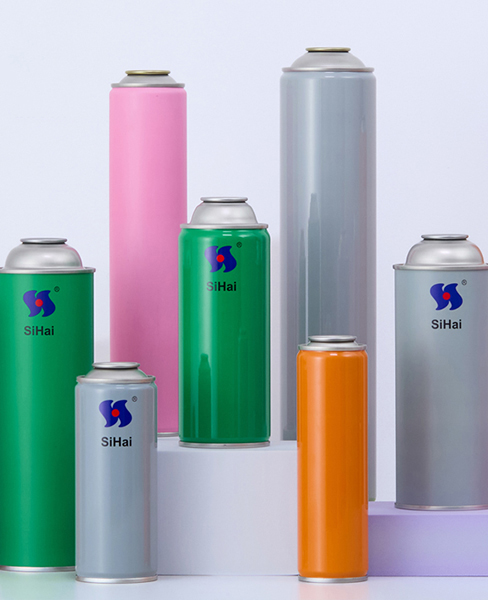
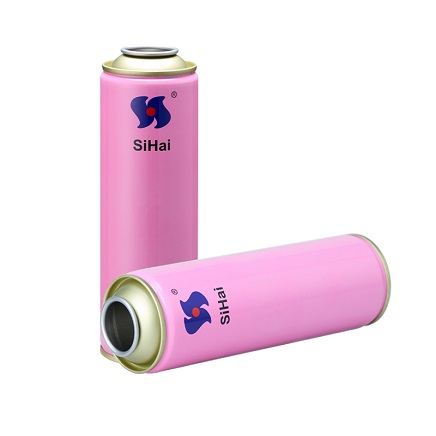
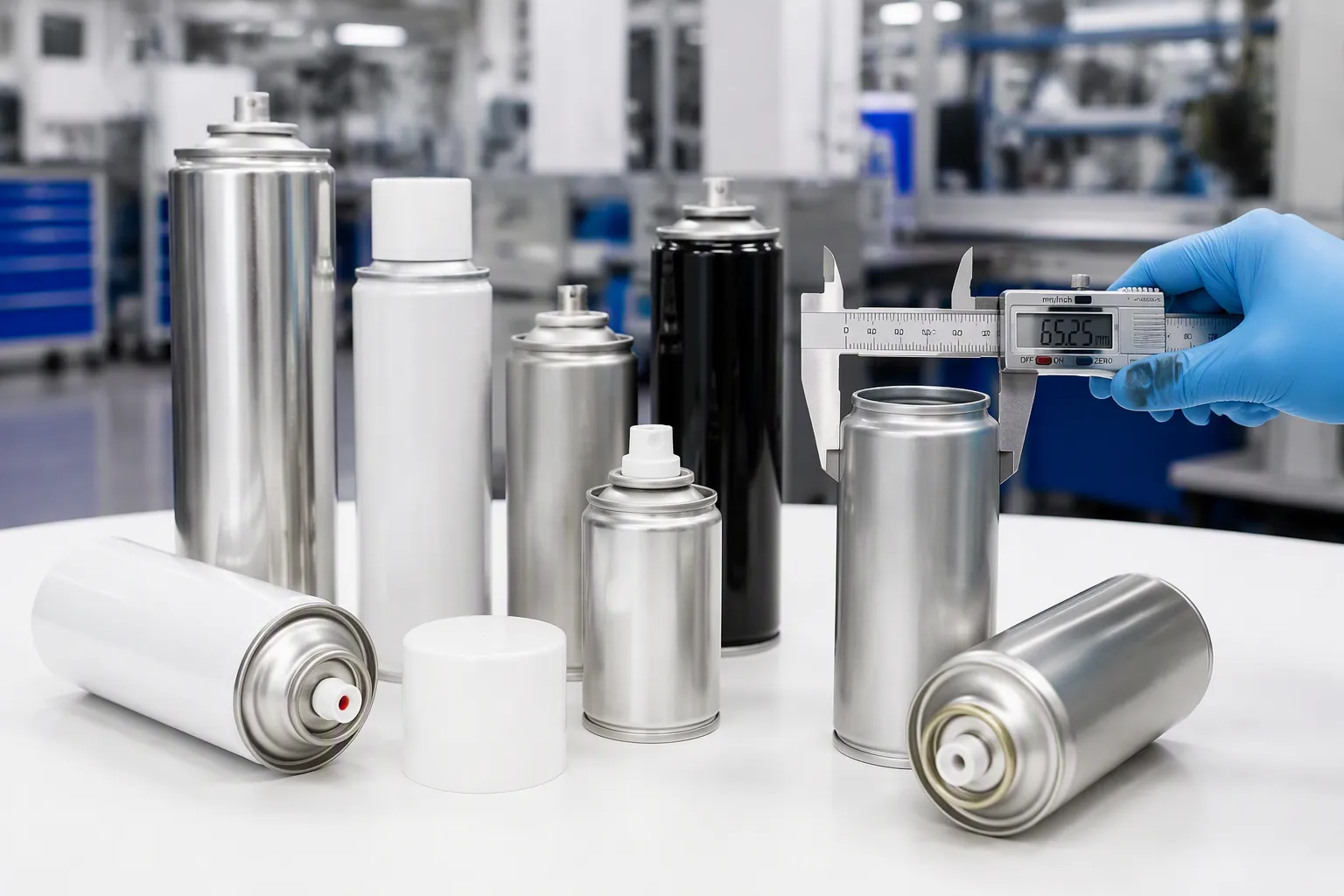

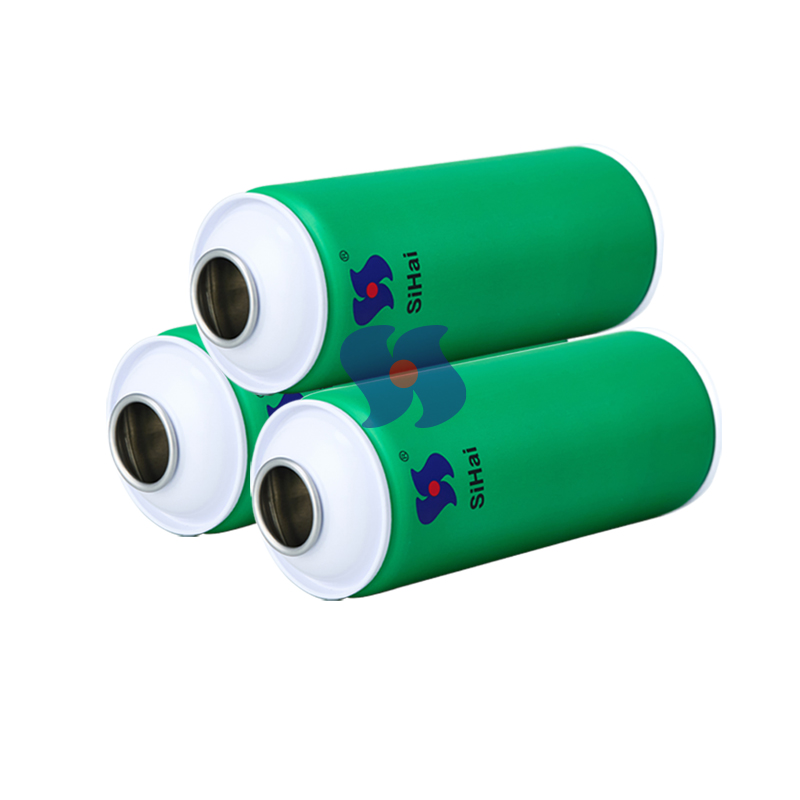
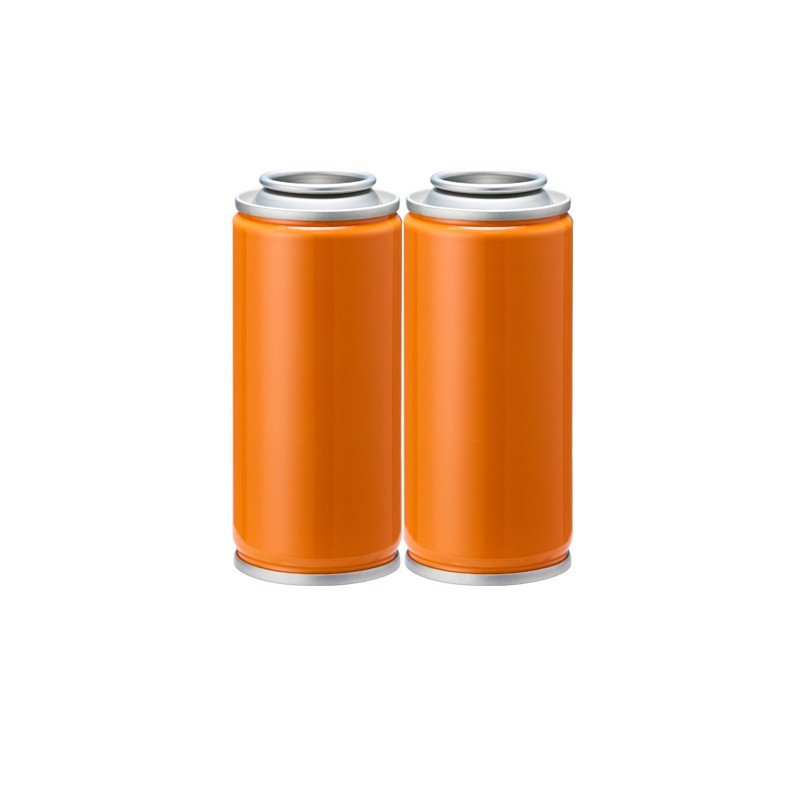
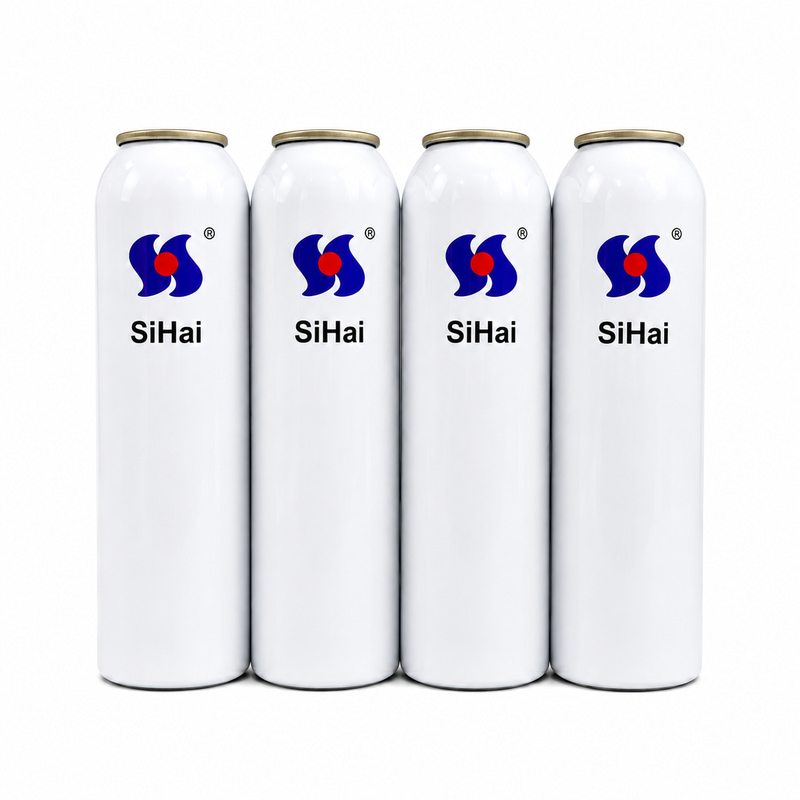
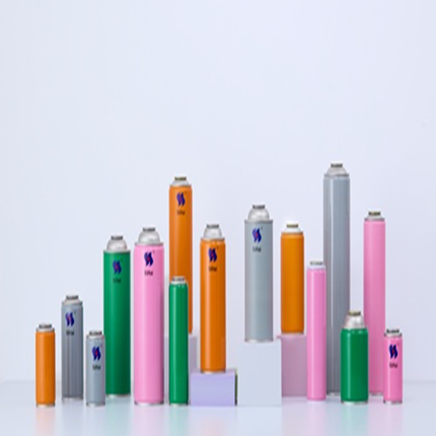
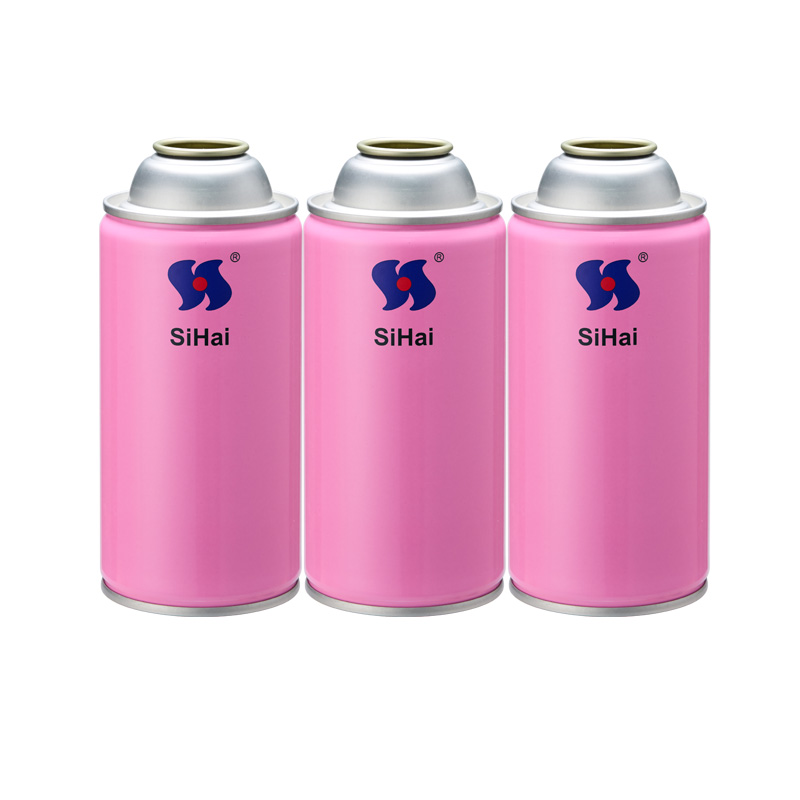

 en
en ru
ru es
es pt
pt zh-CN
zh-CN