Understanding Aerosols: Definition, Impact, and Safety Precautions
An aerosol is a suspension of fine solid particles or liquid droplets in air or another gas. Aerosols may occur naturally or be generated by human activity. Natural aerosols include fog, dust, forest emissions, and geyser steam. Anthropogenic (human-made) aerosols include haze, particulate air pollution, and smoke.
The particles in an aerosol typically have diameters smaller than 1 μm. Larger particles with faster settling speeds are generally considered part of a suspension, although the boundary between the two is not always clearly defined. In everyday usage, the term “aerosol” often refers to an aerosol spray system that delivers consumer products from a pressurized can or similar container.
Effects of Aerosols on the Environment and Human Health
Aerosol particles can have significant impacts on both human health and the environment:
Fine particles from sprays can penetrate deep into the lungs and may enter the bloodstream, potentially leading to respiratory and other health issues.
The misuse of aerosols for inhalation (commonly known as “huffing”) can deprive the brain and body of oxygen, causing serious brain damage or even death.
Chlorofluorocarbons (CFCs), once widely used as propellants, have been found to cause severe environmental damage. Scientific research has confirmed that CFCs contribute to the depletion of the ozone layer.
Precautions for Using Aerosol Sprays
To ensure safe use of aerosol products, the following precautions should always be observed:
Always read and follow the product label instructions carefully before use.
Use aerosols only in well-ventilated areas and avoid inhaling vapors, as they may cause headaches, dizziness, nausea, and respiratory irritation.
Avoid direct spraying toward the eyes or skin, as misdirected spray may cause irritation or injury.
Keep aerosol cans away from heat sources and open flames. Elevated temperatures may cause internal pressure to increase, leading to the risk of explosion.
Dispose of aerosol cans according to local regulations. Although many cans are made from recyclable materials, they are often not accepted by standard recycling facilities due to safety risks. Never puncture, incinerate, or disassemble an aerosol can.
When possible, consider pump sprays instead of aerosol products for household cleaning, hair care, or insect repellent applications. Pump sprays generally produce larger droplets that are less likely to be inhaled and do not require gaseous propellants.
Selecting high-quality aerosol tin cans is essential for safe packaging. Cans should comply with relevant national standards or higher specifications, ensuring structural integrity, airtight sealing, and strong welding performance.
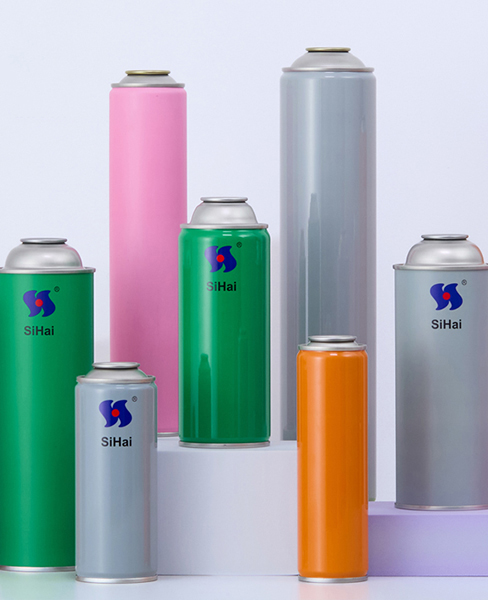
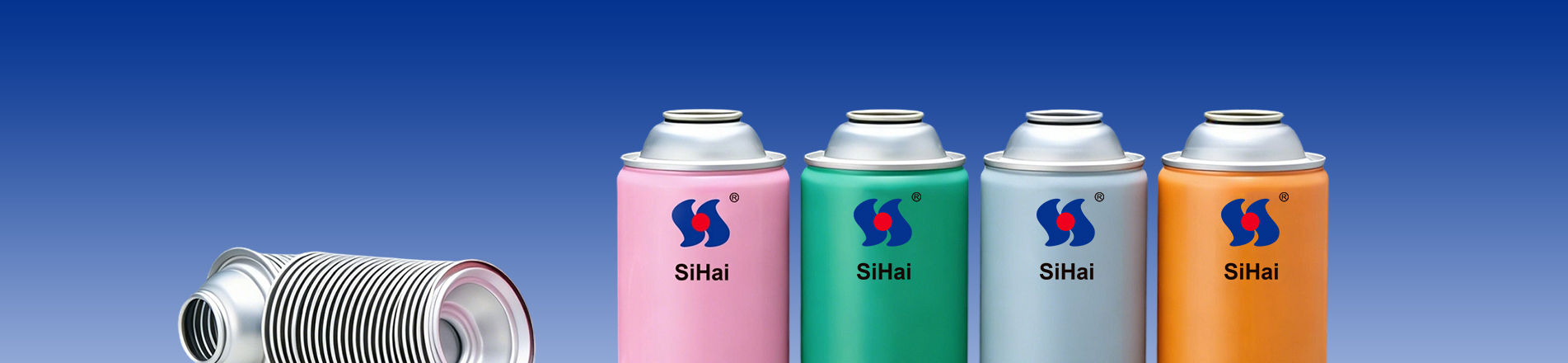
.jpg "Necked-in Aerosol Cans")

 en
en ru
ru es
es pt
pt zh-CN
zh-CN