Leave A Message
If you are interested in our products and want to know more details,please leave a message here,we will reply you as soon as we can.
Since August of this year, the continuous impact of typhoons, combined with peak season shipments, has once caused severe congestion at ports such as Shenzhen Yantian Port and Shenzhen Shekou Port. Entering September, the congestion has eased somewhat but has not been fully cleared. Currently, ports in South China (Shenzhen Yantian, Shekou, and Guangzhou Nansha) remain persistently congested, with vessels facing waiting times of 3 to 10 days. The reasons behind this situation include: Red Sea route diversions, the impact of typhoon season, and a surge in cargo volume during the export peak season.
Ports have tightened gate-in regulations. Yantian and Shekou ports now strictly enforce the "ETB-7" policy — meaning they only accept containers entering the gate within 7 days before the Estimated Time of Berthing (ETB); containers arriving too early will be rejected, leaving very little room for operational flexibility. This policy has significantly compressed the window for exporters to arrange container loading and inland transportation. Missing the narrow gate-in window can result in containers being rejected, re-routing, or additional storage and detention charges, further increasing operational pressure on shippers and forwarders.
Meanwhile, China is currently in the pre-holiday shipping peak for the Mid-Autumn Festival and National Day, and affected by typhoon disruptions, Panama Canal transit restrictions, and other factors, ocean freight rates on many routes continue to rise. Carriers have implemented General Rate Increases (GRIs) and Peak Season Surcharges (PSS) on several major trade lanes, and space availability has become tight, with bookings needing to be made well in advance. In some cases, even confirmed bookings are subject to rollover risks due to vessel delays and port congestion.
Factory holidays, port congestion, and rising freight rates — the combination of these three factors poses severe challenges. To avoid delays and extra costs, we recommend:
Place orders as early as possible — we need to allow sufficient time for stock preparation and operations before the holiday slowdown. Early booking also helps secure space and lock in more favorable freight rates before further increases take effect.
Allow for longer transit times — port delays (1 to 2 weeks) are likely to persist into October. Please factor this additional buffer into your delivery schedules and downstream planning to avoid disruptions to your own production or sales cycles.
Budget for rising freight rates — rates are unlikely to decline in the short term. We recommend incorporating potential cost increases into your budgeting and, where possible, discussing flexible pricing arrangements with us to mitigate the impact.
Maintain close communication — please keep us informed of your expected order volumes and timelines so that we can coordinate production, warehousing, and shipping arrangements in advance, and provide you with timely updates on port conditions and carrier schedules.
Consider alternative routing or scheduling flexibility — where feasible, adjusting shipment timing or exploring alternative ports/routes may help reduce exposure to the most congested gateways, though this should be evaluated on a case-by-case basis.
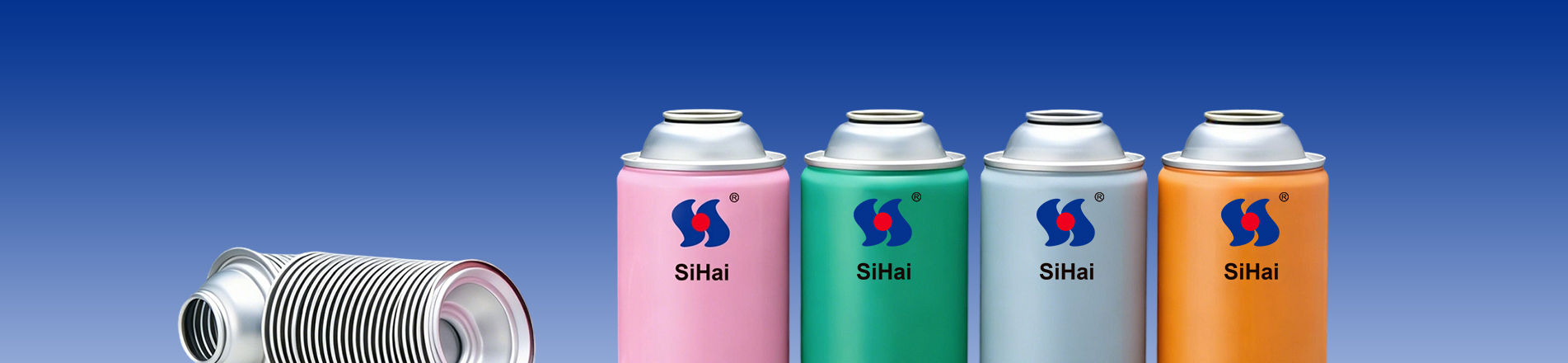
Guangdong Sihai provides professional aerosol packaging solutions and has specialized in manufacturing and exporting empty aerosol cans for over 27 years. If you have any demand for aerosol cans packaging, please feel free to contact us. Our team will be ready to provide services and implement your order and shipping plans.

 en
en ru
ru es
es pt
pt zh-CN
zh-CN