You hear that final, sputtering hiss. The paint is spent, the whipped cream is gone, or the last bit of air freshener has been released. You’re left holding an empty aerosol tin can. For most of us, the immediate next step is the trash can.But wait! That humble can has a whole new life waiting for it, provided we handle it with a little care and a lot of creativity.First things first, let's talk about the Golden Rule of Empty Aerosols: Safety First.It might be "empty" to us, but it often contains propellant residue and is technically considered pressurized waste. Never attempt to puncture, crush, or incinerate these cans. They can be dangerous if mishandled.So, before you get crafty, always ensure the can is completely empty and check your local recycling guidelines. In many places, empty aerosol cans are fully recyclable with other metal packaging. Just be sure to remove any plastic caps (which often recycle separately) and don't compact them in your recycling bin.Once you've got the safety and recycling green light, the fun begins! Here are some creative ways to upcycle these versatile little containers:1. The Miniature Storage MarvelsTheir sleek, cylindrical shape is perfect for organizing small items.· Artist's Dream: Store paintbrushes, pencils, pens, or even makeup brushes. A quick coat of spray paint on the outside can unify a mismatched set.· Workshop Hero: Keep nails, screws, bolts, and other small hardware sorted. You can even glue a magnet to the bottom to stick them to a tool board.· Kitchen Helper: Use them to hold kitchen utensils, chopsticks, or even as a unique vase for small, fresh herbs like rosemary or thyme.2. A Pop of Garden CharmWith proper preparation (a good cleaning and drilling a few drainage holes in the bottom), aerosol cans can become quirky additions to your garden.· Mini Planters: They are the perfect size for succulents, small cacti, or herbs. Their metallic look creates a cool, industrial-chic vibe.· Decorative Garden Markers: Paint the outside with chalkboard paint and write the name of your plants. Or, get artistic and paint the names directly onto the can.3. Unleash Your Inner ArtistThe can itself is a fantastic canvas or a component for larger art projects.· Sculptural Elements: Flatten them (if safe to do so without puncturing) and incorporate the metal into mixed-media artwork.· Wind Chimes: Clean, painted cans of different sizes can be hung together to create gentle, tinkling wind chimes.· Festive Lanterns: Carefully punch patterns into the sides of the can with a hammer and nail (while wearing safety glasses!). Place a battery-operated tea light inside for a beautiful, ambient glow.Why Bother?Every time we upcycle, we do a small favor for our planet. We reduce the demand for new raw materials, save energy, and keep waste out of landfills. That empty can of hairspray or paint isn't just trash; it's a potential resource, a tiny blank slate.So, the next time you go to toss one, pause for a moment. Listen to that final, empty hiss not as an end, but as an invitation to imagine something new.What will you create?---Remember:· Always ensure cans are completely empty.· Never puncture, crush, or burn them.· Check local regulations for recycling or disposal as hazardous waste.
· Clean cans thoroughly before any craft project.
We use them countless times in our daily lives—from applying deodorant and whipping cream to spraying paint and cleaning products. The aerosol can is a masterpiece of simple yet brilliant engineering, a self-contained dispensing system that we often take for granted.But have you ever stopped to wonder, how does it actually work? It all comes down to the clever interplay of its individual parts. Let's break down the anatomy of this common household object.1. The Can This is the main body, usually made of steel or aluminum. It's designed to be incredibly strong to withstand high internal pressure. The bottom of the can is almost always concave (domed inward). This isn't a manufacturing error; it's a critical safety feature. The dome is designed to invert and pop outwards if the internal pressure gets dangerously high (e.g., from exposure to heat), preventing a potentially explosive rupture.
2. The Valve
This is the heart of the entire operation. It's a spring-loaded mechanism seated at the top of the can that acts as a gatekeeper. When you press the actuator (see below), the valve opens, allowing the product and propellant to escape. The moment you release pressure, the spring snaps the valve shut again, sealing the can and preserving the contents.3. The ActuatorThis is the part you physically push with your finger. It's the trigger that depresses the valve stem to open the valve. But its job isn't just about on/off. The actuator is specially designed with a small orifice that shapes the spray, creating the mist, stream, or foam you expect from the product.4. The Dip TubeImagine a tiny straw running from the valve down to the bottom of the can. That's the dip tube! Its crucial job is to siphon the liquid product from the bottom of the can up to the valve. Without it, you'd only spray gas and whatever product was at the very top.5. The PropellantThis is the invisible engine. The propellant is a compressed gas (or mixture of gases) stored inside the can alongside the product. It creates the pressure that forces the product out. When the valve opens, the high-pressure propellant pushes the product up the dip tube, through the valve, and out of the actuator. In many cans, the propellant also acts as a solvent that expands into a gas as it exits, helping to atomize the product into a fine mist.6. The Product ConcentrateThis is the actual substance you bought the can for—the paint, the cream, the cleaner, the silicone lubricant. It's formulated to work with the specific propellant and the mechanics of the aerosol system.How It All Works Together:1. You press down on the actuator.2. This pushes down on the valve stem, opening the valve.3. The high-pressure propellant immediately forces the product concentrate up the dip tube.4. The mixture of product and propellant rushes through the open valve.5. It hits the actuator, which shapes and directs it into the desired spray pattern as it exits the can.6. You release the actuator, the valve spring closes, and the entire process stops instantly.Bonus Part: The Tamper-Evidencing OvercapThat plastic cap that comes on a new can isn't just for show. It protects the actuator from dirt and, most importantly, prevents accidental spraying during shipping and handling. It's often designed to "snap" off on the first use, proving the product hasn't been tampered with.
So next time you pick up an aerosol can, take a second to appreciate the elegant and robust engineering hidden within its simple metal form. It's a perfect example of form meeting function, all in the palm of your hand.
Spray painting can be a quick and efficient way to coat surfaces, but achieving a smooth, even finish requires the right technique. Whether you're painting furniture, metal, or DIY projects, follow these steps to avoid streaks, drips, and uneven coverage.
1. Prepare the Surface
- Clean the surface thoroughly to remove dust, grease, or rust.
- Sand rough areas with fine-grit sandpaper for better adhesion.
- Use primer if needed, especially on bare metal or porous materials.
2. Choose the Right Spray Paint
- Shake the can vigorously for 1-2 minutes to mix the paint properly.
- Test the spray on cardboard to check the nozzle and paint consistency.
3. Maintain the Proper Distance
- Hold the can 8-12 inches (20-30 cm) from the surface.
- Too close = drips; too far = uneven, grainy texture.
4. Use Smooth, Controlled Strokes
- Spray in a steady back-and-forth motion, slightly overlapping each pass.
- Keep the can moving to prevent pooling.
- Apply multiple thin coats instead of one thick coat.
5. Allow Proper Drying Time
- Wait 5-10 minutes between coats (follow the can’s instructions).
- Let the final coat dry completely before handling.
6. Work in a Well-Ventilated Area
- Spray outdoors or in a ventilated space to avoid fumes and dust sticking to wet paint.
7. Fix Mistakes Lightly
- If drips occur, let the paint dry, sand lightly, and reapply.
With practice and patience, you’ll achieve a professional-looking, even finish every time!
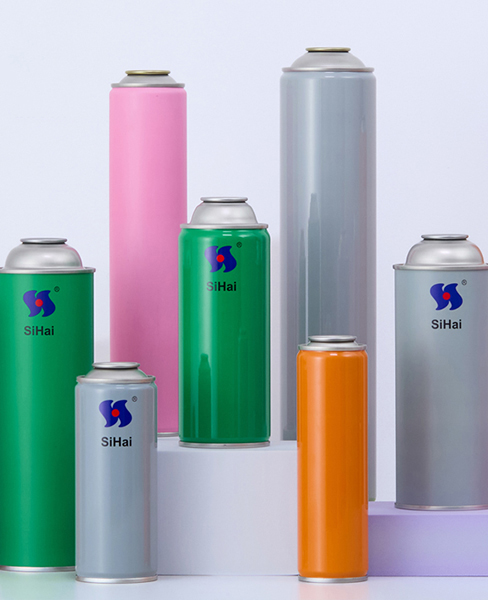
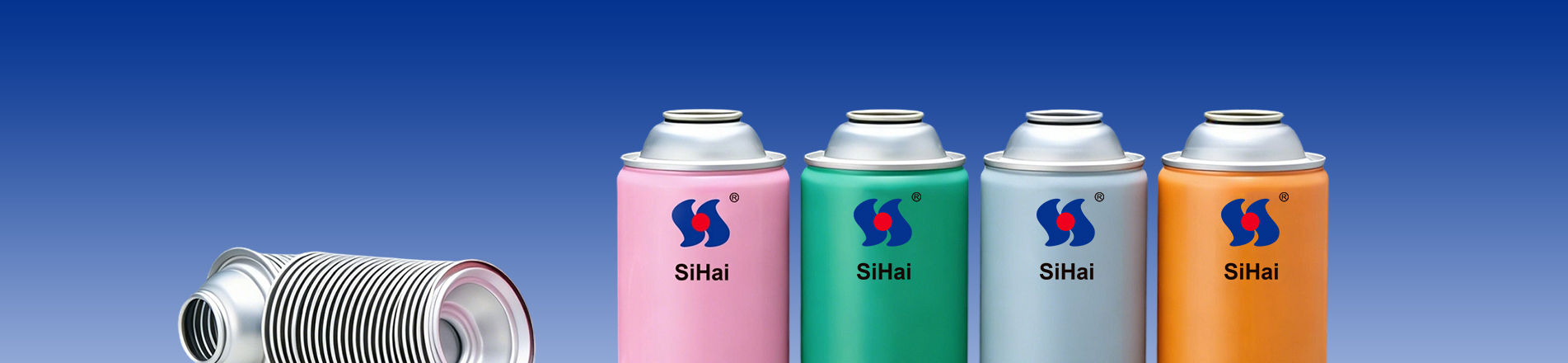
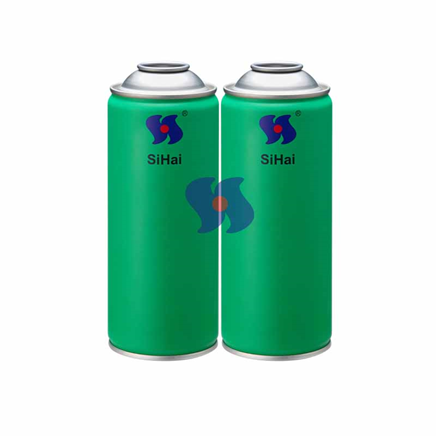
Many people don't know what tinplate is, but in fact, tinplate is a metal material.Why it is called tinplate? Because a layer of tin is electroplated on the outside of the iron plate. That's the reason that we call it tinplat iron.Why are aerosol cans almost always made of tinplate?
The liquid inside the aerosol can is formed by compressing a certain gas with a gas compressor. The pressure inside the can is much higher than the outside air pressure, so the aerosol sprays out in the form of a white mist, all of which are nanometer-sized. If you want to withstand items with high pressure, the rigidity of the aerosol can must be very strong, otherwise it will easily deform or even explode. Therefore, when choosing packaging for aerosol spray, metal materials must be the most suitable, such as stainless steel or tinplate.Let's compare stainless steel cans and tinplate cans to see why tinplate is the best metal meterial to making aerosol cans.As we all know, stainless steel not only has high rigidity but also does not rust!Its service life is very strong, so it is a good choice for packaging. However, it also has its disadvantages that is too expensive!As for the tinplate can, firstly, it is with high rigidity and not rusting. Second, Its elasticity is strong, and it can be molded into various shapes of aerosol cans, such as round cans, square cans, spherical cans, and irregular cans, etc.Additionally, it can meet all your requirements. Another important point is that in the metal packaging industry, the price of a tin can is very cost effective. Because In the market, the price of iron is cheaper than that of aluminum and stainless steel.In summary, the advantages of a tin can are: high rigidity, non-transparency, good sealing, no rust, green and environmentally friendly, and recyclable.
.jpg)
.jpg)
.jpg)

 en
en ru
ru es
es pt
pt zh-CN
zh-CN