When choosing an aerosol can for a new product, buyers need to consider more than just its capacity, diameter, and material. The shape of the can also plays an important role in packaging design, valve assembly, appearance, and manufacturing requirements. Two common options in tinplate aerosol packaging are necked-in aerosol cans and straight-wall aerosol cans.
Although both designs are used for pressurized spray products, their structural profiles are different. A necked-in can has a reduced-diameter upper section, while a straight-wall can maintains a more consistent cylindrical diameter along its body. These differences influence how the containers are designed, assembled, presented, and matched with filling equipment.
At SiHaiPack, both necked-in and straight-wall tinplate aerosol cans are available in different sizes and configurations. Understanding their characteristics can help packaging buyers select a suitable container for personal care, household, automotive, and industrial aerosol applications.
Tinplate aerosol cans with different structural profiles
What Is a Necked-In Aerosol Can?
A necked-in aerosol can is a container with an inwardly reduced upper diameter. The cylindrical body transitions into a narrower shoulder and top opening, creating a stepped profile near the valve mounting area.
This design is widely used in conventional three-piece tinplate aerosol packaging. The narrower upper section accommodates the corresponding cone and valve assembly, while the main cylindrical body provides the space required for the product formulation and propellant.
One practical advantage is the reduced top diameter, which can help optimize material usage in the end structure and provide a compact appearance. The final material savings depend on the complete can dimensions and component design rather than the necked-in shape alone.
Necked-in cans are commonly used for hair sprays, air fresheners, deodorants, insecticides, cleaning sprays, and automotive care products. Their familiar appearance and compatibility with established aerosol packaging designs make them a practical option for many manufacturers.
For buyers looking for this structure, SiHaiPack offers a dedicated necked-in aerosol can product range, covering several diameters and applications.
Necked-in aerosol cans with customized exterior printing
What Is a Straight-Wall Aerosol Can?
A straight-wall aerosol can features a cylindrical body with a consistent outside diameter along its main sidewall. Unlike a necked-in design, the upper body does not narrow inward before reaching the top closure area.
The straight-wall structure provides a continuous cylindrical appearance and a larger uninterrupted sidewall area. This can be useful for brands that require prominent product graphics, technical information, or extensive printed designs around the container.
For packaging designers, the consistent body diameter can make it easier to plan artwork placement and maintain a uniform visual appearance. However, the top cone, valve opening, and end components still need to be designed to match the filling and assembly requirements.
Straight-wall aerosol cans are used in applications such as automotive cleaners, butane gas packaging, industrial sprays, and other products requiring specific container configurations.
SiHaiPack's straight-wall aerosol can collection includes 65mm tinplate can options designed for different filling applications.
Straight-wall aerosol cans with a consistent cylindrical body profile
Necked-In vs. Straight-Wall Aerosol Cans: Main Differences
The main difference between these two aerosol can types is their external body geometry. However, the structural distinction also affects several practical considerations during packaging development and production.
Comparison
Necked-In Can
Straight-Wall Can
Body Profile
Narrowed upper section
Consistent cylindrical sidewall
Upper Structure
Reduced-diameter shoulder and opening
Top assembly matches the body diameter design
Printing Surface
Main cylindrical body available for printing
Continuous sidewall provides a uniform artwork area
Appearance
Tapered shoulder profile
More uniform cylindrical appearance
Common Applications
Hair spray, air freshener, insecticide, personal care
Automotive care, butane gas, industrial spray
Design Considerations
Necking geometry and valve assembly compatibility
Top closure configuration and filling-line compatibility
Neither structure is automatically better for every application. The right choice depends on the filling process, product requirements, desired appearance, packaging dimensions, and overall manufacturing specifications.
How the Can Structure Affects Packaging Design and Printing
The shape of an aerosol can influences how its artwork is arranged and how the finished product appears on retail shelves. This is particularly important for brands that rely on packaging graphics to communicate product benefits and differentiate their products.
Printing Considerations for Necked-In Cans
Necked-in cans provide a cylindrical printing area below the narrowed shoulder. Designers need to account for the transition between the main body and the upper cone when preparing artwork. Important product information and brand elements should remain within the appropriate printable area.
For brands using CMYK or spot-color printing, the artwork should be prepared according to the manufacturer's printing requirements. This helps maintain consistent positioning, color presentation, and readability across production batches.
Printing Considerations for Straight-Wall Cans
The continuous cylindrical sidewall of a straight-wall can offers a consistent surface for product graphics. This can be advantageous when the design includes large visual elements, detailed instructions, or extensive branding information.
However, the final printable area still depends on the can height, seam position, top and bottom construction, and printing process. Artwork should always be checked against the actual can dimensions before production.
SiHaiPack provides customized exterior printing, including CMYK and Pantone color options for its tinplate aerosol cans. Buyers can submit their artwork for technical review before confirming a production order.
Which Aerosol Can Type Is Suitable for Different Applications?
Application requirements are one of the most important factors when choosing between necked-in and straight-wall aerosol cans. The product formulation, filling equipment, pressure requirements, and final packaging appearance should all be considered together.
Personal Care Products
Hair sprays, deodorants, shaving foams, and body sprays commonly use conventional necked-in aerosol packaging. The familiar shoulder profile works well for many established personal care packaging designs.
When selecting a can, manufacturers should check valve cup dimensions, product compatibility, internal coating requirements, and the pressure specification of the complete container.
Household Cleaning and Insecticide Products
Air fresheners, insecticides, cleaning sprays, and other household aerosol products are frequently packaged in tinplate cans. Both necked-in and straight-wall structures may be considered depending on the container design and filling requirements.
For these applications, internal lacquer compatibility is particularly important. The coating should be selected according to the formulation to help prevent unwanted interaction between the contents and the metal packaging.
Automotive and Industrial Products
Automotive cleaners, lubricants, spray paints, rust removers, and industrial maintenance products may require different can dimensions and pressure specifications. Straight-wall cans can be considered when a consistent cylindrical body or a particular packaging configuration is required.
For example, SiHaiPack offers a 65mm straight-wall empty aerosol tinplate can designed for applications such as spot lifters, car cleaners, and butane gas packaging.
Straight-wall aerosol cans for different product packaging requirements
How to Select the Right Aerosol Can Structure
Choosing the right can type requires a clear understanding of the product and its packaging conditions. Instead of selecting a design based only on appearance, buyers should evaluate several technical and commercial factors.
Product formulation: Identify the contents and check whether the formulation requires a specific internal lacquer or material compatibility assessment.
Valve and actuator requirements: Confirm the valve cup diameter, mounting configuration, and compatibility with the selected can opening.
Filling-line compatibility: Check whether the existing filling and closing equipment can handle the selected can dimensions and top configuration.
Can dimensions: Confirm the required diameter, height, capacity, and overall packaging design.
Pressure requirements: Specify the expected operating pressure and required deformation and burst test values.
Printing and branding: Evaluate the available printable area, artwork layout, color requirements, and surface finish.
Transportation and storage: Consider stacking, handling, shipping conditions, and the protection required for the finished product.
Providing these details allows the manufacturer to assess whether a necked-in or straight-wall design is more appropriate for the project. It also helps reduce unnecessary modifications during sampling and mass production.
SiHaiPack Aerosol Can Manufacturing and Customization Options
Guangdong Sihai Iron-Printing and Tin-Making Co., Ltd. was established in 1998 and specializes in tinplate processing, printing, and aerosol can manufacturing. The company provides packaging solutions for personal care, household, automotive, and industrial aerosol products.
According to SiHaiPack's published product information, its empty tinplate aerosol cans cover diameters of 45mm, 52mm, 57mm, 60mm, 65mm, and 70mm. Both necked-in and straight-wall configurations are available within its product range, with dimensions and specifications depending on the selected model.
The company's manufacturing process includes iron cutting, tinplate printing and coating, cone and dome pressing, aerosol can making, and final packing. Its published production information also identifies the use of Japan FUJI printing equipment and SOUDRONIC welding machines.
For customization, customers can discuss can dimensions, body structure, exterior CMYK or Pantone printing, internal coating, and packaging arrangements according to their project requirements.
If you are comparing the two aerosol can designs, the custom-size tinplate aerosol can range is a useful starting point for reviewing available diameters, can types, and production options.
Whether you need a conventional necked-in can or a straight-wall container, sharing your product application and technical requirements with the manufacturer is the best way to identify a suitable packaging solution.
Frequently Asked Questions About Necked-In and Straight-Wall Aerosol Cans
Q: What is the main difference between necked-in and straight-wall aerosol cans?
A: A necked-in aerosol can has an upper section that narrows inward toward the top opening. A straight-wall aerosol can maintains a consistent cylindrical diameter along its main body. The difference mainly concerns the container's structural profile and corresponding end design.
Q: Are necked-in aerosol cans more common?
A: Necked-in steel aerosol cans are widely used in conventional aerosol packaging, including personal care, household, and automotive products. However, the preferred design depends on the application and filling requirements.
Q: Are straight-wall aerosol cans better for printing?
A: Straight-wall cans provide a consistent cylindrical sidewall, which can simplify artwork layout and create a uniform printing area. The actual printable area still depends on the can dimensions, seam position, and manufacturing process.
Q: Which aerosol can type is suitable for hair spray?
A: Necked-in tinplate aerosol cans are commonly used for hair spray products. The final selection should consider valve compatibility, product formulation, filling pressure, and required container dimensions.
Q: Can SiHaiPack manufacture both necked-in and straight-wall aerosol cans?
A: Yes. SiHaiPack's published product range includes both necked-in and straight-wall tinplate aerosol cans. Available diameters include 45mm, 52mm, 57mm, 60mm, 65mm, and 70mm, depending on the selected product and configuration.
Q: Do necked-in and straight-wall aerosol cans use the same valves?
A: Not necessarily. Valve compatibility depends on the valve cup diameter, mounting configuration, and top opening design. Buyers should confirm the required dimensions with the can and valve manufacturers before ordering.
Q: How do I choose between necked-in and straight-wall aerosol cans?
A: Consider the product application, filling equipment, valve requirements, can dimensions, pressure specifications, and printing preferences. A manufacturer can help evaluate the appropriate structure based on these details.
{
"@context": "https://schema.org",
"@type": "FAQPage",
"mainEntity": [
{
"@type": "Question",
"name": "What is the main difference between necked-in and straight-wall aerosol cans?",
"acceptedAnswer": {
"@type": "Answer",
"text": "A necked-in aerosol can has an upper section that narrows inward toward the top opening. A straight-wall aerosol can maintains a consistent cylindrical diameter along its main body. The difference mainly concerns the container's structural profile and corresponding end design."
}
},
{
"@type": "Question",
"name": "Are necked-in aerosol cans more common?",
"acceptedAnswer": {
"@type": "Answer",
"text": "Necked-in steel aerosol cans are widely used in conventional aerosol packaging, including personal care, household, and automotive products. However, the preferred design depends on the application and filling requirements."
}
},
{
"@type": "Question",
"name": "Are straight-wall aerosol cans better for printing?",
"acceptedAnswer": {
"@type": "Answer",
"text": "Straight-wall cans provide a consistent cylindrical sidewall, which can simplify artwork layout and create a uniform printing area. The actual printable area still depends on the can dimensions, seam position, and manufacturing process."
}
},
{
"@type": "Question",
"name": "Which aerosol can type is suitable for hair spray?",
"acceptedAnswer": {
"@type": "Answer",
"text": "Necked-in tinplate aerosol cans are commonly used for hair spray products. The final selection should consider valve compatibility, product formulation, filling pressure, and required container dimensions."
}
},
{
"@type": "Question",
"name": "Can SiHaiPack manufacture both necked-in and straight-wall aerosol cans?",
"acceptedAnswer": {
"@type": "Answer",
"text": "Yes. SiHaiPack's published product range includes both necked-in and straight-wall tinplate aerosol cans. Available diameters include 45mm, 52mm, 57mm, 60mm, 65mm, and 70mm, depending on the selected product and configuration."
}
},
{
"@type": "Question",
"name": "Do necked-in and straight-wall aerosol cans use the same valves?",
"acceptedAnswer": {
"@type": "Answer",
"text": "Not necessarily. Valve compatibility depends on the valve cup diameter, mounting configuration, and top opening design. Buyers should confirm the required dimensions with the can and valve manufacturers before ordering."
}
},
{
"@type": "Question",
"name": "How do I choose between necked-in and straight-wall aerosol cans?",
"acceptedAnswer": {
"@type": "Answer",
"text": "Consider the product application, filling equipment, valve requirements, can dimensions, pressure specifications, and printing preferences. A manufacturer can help evaluate the appropriate structure based on these details."
}
}
]
}
When selecting an aerosol can, manufacturers often focus on diameter, filling volume, material grade, and pressure requirements. However, one specification deserves just as much attention: tinplate thickness. It directly influences the mechanical strength of the can body, its resistance to deformation, overall packaging weight, and manufacturing cost.
For aerosol packaging manufacturers and product brands, choosing the correct thickness is not simply a matter of using more metal. A thicker can body may provide additional structural rigidity, but the final performance also depends on can diameter, body height, steel properties, forming design, welding quality, and internal pressure.
At SiHaiPack, tinplate aerosol cans are available in different dimensions and material thickness specifications to accommodate various spray applications. Understanding how these factors work together can help buyers make more informed packaging decisions and avoid unnecessary material costs.
Tinplate aerosol can bodies with necked-in structures
What Is Tinplate Thickness in an Aerosol Can?
Tinplate thickness refers to the thickness of the steel sheet used to manufacture an aerosol can. Tinplate consists of a steel base coated with a thin layer of tin, combining the mechanical properties of steel with the surface protection provided by the tin coating.
In aerosol can production, thickness specifications should be considered separately for the can body, top cone, and bottom dome. These components perform different structural functions and do not necessarily require identical material thicknesses.
For example, SiHaiPack's published product specifications include a 350ml air freshener aerosol can with a 0.20mm body, 0.28mm cone, and 0.28mm dome. This illustrates how different thickness specifications can be used within one complete aerosol container.
Can Component
Example Thickness
Main Function
Can Body
0.20mm
Provides the main cylindrical structure and resists deformation.
Top Cone
0.28mm
Supports the valve mounting area and connects the upper end to the body.
Bottom Dome
0.28mm
Contributes to pressure resistance and container stability.
These figures are an example from a specific product specification, not universal requirements for all aerosol cans. The appropriate material combination depends on container dimensions, pressure requirements, and structural design.
How Tinplate Thickness Affects Aerosol Can Strength
Thickness has a direct relationship with the mechanical behavior of a steel aerosol can. Increasing the steel sheet thickness generally improves its resistance to deformation, although the actual improvement depends on the complete can structure.
Resistance to Internal Pressure
An aerosol container must withstand the pressure generated by its propellant and product formulation. During storage and transportation, internal pressure places continuous stress on the cylindrical body, seams, shoulder, and bottom.
A thicker steel body generally provides greater resistance to circumferential stress and local deformation when other design factors remain comparable. This can be particularly important for aerosol products with demanding pressure requirements.
However, thickness alone does not determine the safe working pressure. Steel strength, can diameter, forming geometry, weld integrity, and end construction must all be considered. Pressure performance should be verified through appropriate deformation and burst testing rather than estimated from thickness alone.
Resistance to Dents and Mechanical Damage
Aerosol cans may experience impacts, stacking loads, vibration, and handling pressure throughout distribution. A thinner can body may be more susceptible to dents or local buckling if its dimensions and material properties are not properly matched to the application.
Increasing the thickness can improve rigidity and help the can maintain its shape. This is useful for packaging that needs to withstand repeated handling or long-distance transportation.
Structural Stability During Filling and Storage
During aerosol filling, the container is subjected to mechanical operations, pressure changes, and handling forces. Consistent wall thickness helps maintain dimensional stability and supports reliable downstream processing.
For manufacturers, selecting an appropriate thickness is therefore important not only for the finished container but also for production consistency, filling-line compatibility, and packaging reliability.
Does Thicker Tinplate Always Mean Better Pressure Performance?
Not necessarily. Although thicker tinplate generally improves structural rigidity, it does not automatically guarantee a higher pressure rating.
Aerosol can performance is determined by several interconnected factors:
Steel material strength: The yield strength and mechanical properties of the tinplate influence its ability to withstand stress.
Can diameter: Larger diameters can increase the circumferential stress experienced by the body under the same internal pressure.
Can height: Body geometry and unsupported wall area affect resistance to deformation.
End design: The cone and dome geometry influence how pressure loads are distributed.
Welding and seaming: Manufacturing quality is essential for maintaining container integrity.
Technical takeaway: A thicker aerosol can body can improve resistance to deformation, but the actual pressure capability must be confirmed through testing of the complete container assembly.
For this reason, aerosol packaging buyers should evaluate the complete container specification instead of comparing suppliers based on a single thickness value.
SiHaiPack Tinplate Aerosol Can Thickness and Pressure Specifications
For practical selection, it is useful to examine the specifications of actual aerosol can products rather than rely on generic thickness recommendations.
SiHaiPack offers aerosol cans in different diameters and heights. Its published product range includes necked-in and straight-wall structures, with tinplate thickness selected according to individual product requirements.
For example, the company's 65mm × 300mm car care aerosol tin can has the following published specifications:
Product
65mm × 300mm Car Care Aerosol Can
Material
Tinplate
Body Thickness
0.18–0.23mm (customized)
Deformation Pressure
1.2–1.8 MPa
Burst Pressure
1.4–2.0 MPa
Can Type
Neck-in
These figures are product-specific published specifications, not a controlled comparison proving that a particular thickness produces a particular pressure rating. The final performance depends on the complete container design and applicable test method.
Buyers looking for more details can review the 65mm × 300mm car care aerosol tin can and compare its dimensions, material specifications, and pressure requirements with their own project.
Tinplate aerosol cans with different dimensions and structural configurations
How to Choose the Right Tinplate Thickness for Different Applications
The best thickness depends on the intended product, operating pressure, container dimensions, and transportation conditions. Different aerosol applications may require different combinations of body thickness and end construction.
Personal Care and Cosmetic Aerosols
Hair sprays, deodorants, shaving foams, and similar products generally require containers with consistent dimensions, reliable sealing, and an appropriate pressure rating.
For these applications, buyers should consider the filling pressure, product compatibility, can diameter, and appearance requirements. A suitable tinplate thickness should provide adequate mechanical performance without adding unnecessary weight.
SiHaiPack provides custom aerosol spray tinplate cans in multiple diameters, with different thickness and height options available according to product specifications.
Household Aerosol Products
Air fresheners, insecticides, and household cleaning sprays are commonly packaged in tinplate aerosol containers. Their packaging requirements depend on the formulation, propellant, filling conditions, and intended pressure range.
When choosing thickness, manufacturers should evaluate both mechanical strength and internal coating compatibility. The coating system is particularly important when the formulation may react with exposed metal surfaces.
Automotive and Industrial Aerosols
Car care sprays, lubricants, paint sprays, and industrial aerosol products may involve different formulations and operating conditions. Some products require higher pressure resistance or greater durability during storage and transportation.
In these cases, selecting a can body thickness should be part of a broader engineering assessment that includes steel grade, body geometry, end thickness, and pressure testing.
The Relationship Between Tinplate Thickness and Manufacturing Cost
Material thickness also affects the overall economics of aerosol can production. Using thicker tinplate generally increases the amount of steel required for each container, which can raise raw material consumption and transportation weight.
For high-volume aerosol packaging projects, even a small thickness adjustment can influence total material usage across an entire production order.
However, choosing the thinnest available material is not necessarily the most economical solution. If the container becomes more susceptible to deformation or fails to meet pressure requirements, the resulting product losses, quality issues, and additional testing costs may outweigh the initial material savings.
A more practical approach is to establish the minimum thickness that meets the required mechanical and pressure performance, then validate the complete design through production trials and relevant testing.
What Buyers Should Check Before Ordering Tinplate Aerosol Cans
Before confirming a packaging order, buyers should provide the manufacturer with sufficient technical information to evaluate the appropriate material and construction.
Product formulation: Identify whether the contents are water-based, solvent-based, acidic, or otherwise chemically active.
Filling and operating pressure: Confirm the expected working pressure and required deformation and burst test limits.
Can dimensions: Specify diameter, height, capacity, and whether a necked-in or straight-wall design is required.
Material thickness: Confirm the body, cone, and dome thickness separately.
Internal coating: Check compatibility between the lacquer system and the aerosol formulation.
Quality verification: Request relevant pressure test results, dimensional inspection details, and product samples where appropriate.
Providing these details helps the manufacturer recommend a more suitable aerosol can structure instead of simply quoting a standard thickness.
Tinplate aerosol packaging for different spray applications
Why Work with SiHaiPack for Tinplate Aerosol Packaging?
Guangdong Sihai Iron-Printing and Tin-Making Co., Ltd. was established in 1998 and specializes in iron cutting, iron printing, can manufacturing, and aerosol can components.
According to its published company information, SiHaiPack operates an integrated manufacturing facility covering tinplate processing, printing, cone and dome pressing, and aerosol can production.
The company's aerosol packaging range includes different can diameters, necked-in and straight-wall structures, customized printing, and related components such as aerosol cones and domes.
For buyers developing a new aerosol product or reviewing an existing packaging specification, working directly with a manufacturer can make it easier to discuss material selection, structural requirements, printing, and customization.
To discuss your project, visit SiHaiPack's aerosol packaging product range and provide your required can diameter, height, filling pressure, and intended application.
FAQ
Q: What is the standard tinplate thickness for aerosol cans?
A: There is no single universal thickness. Depending on the can design and application, SiHaiPack lists different specifications. For example, one 350ml air freshener aerosol can uses a 0.20mm body, a 0.28mm cone, and a 0.28mm dome.
Q: Does a thicker aerosol can have higher pressure resistance?
A: Generally, increasing steel thickness can improve structural rigidity and resistance to deformation. However, pressure resistance also depends on material strength, diameter, height, end design, welding quality, and testing results.
Q: Why are aerosol can bottoms and tops often thicker than the body?
A: The top cone and bottom dome have different structural functions and forming requirements from the cylindrical body. Their thickness and geometry are selected to support the overall pressure-bearing structure and manufacturing process.
Q: What is the difference between deformation pressure and burst pressure?
A: Deformation pressure refers to the pressure at which a container reaches a specified deformation condition under a test method. Burst pressure refers to the pressure at which the container ruptures. These are different performance indicators and should not be used interchangeably.
Q: Can thinner tinplate reduce aerosol packaging costs?
A: Yes. Reducing material thickness can lower steel consumption and container weight. However, the selected thickness must still satisfy the required pressure, deformation, transportation, and quality standards.
Q: How can I choose the correct tinplate thickness for my aerosol product?
A: Start with the product formulation, working pressure, can diameter, height, and required pressure test limits. Then evaluate the body, cone, and dome thickness together with the manufacturer and verify the final design through testing.
{
"@context": "https://schema.org",
"@type": "FAQPage",
"mainEntity": [
{
"@type": "Question",
"name": "What is the standard tinplate thickness for aerosol cans?",
"acceptedAnswer": {
"@type": "Answer",
"text": "There is no single universal thickness. Depending on the can design and application, SiHaiPack lists different specifications. For example, one 350ml air freshener aerosol can uses a 0.20mm body, a 0.28mm cone, and a 0.28mm dome."
}
},
{
"@type": "Question",
"name": "Does a thicker aerosol can have higher pressure resistance?",
"acceptedAnswer": {
"@type": "Answer",
"text": "Generally, increasing steel thickness can improve structural rigidity and resistance to deformation. However, pressure resistance also depends on material strength, diameter, height, end design, welding quality, and testing results."
}
},
{
"@type": "Question",
"name": "Why are aerosol can bottoms and tops often thicker than the body?",
"acceptedAnswer": {
"@type": "Answer",
"text": "The top cone and bottom dome have different structural functions and forming requirements from the cylindrical body. Their thickness and geometry are selected to support the overall pressure-bearing structure and manufacturing process."
}
},
{
"@type": "Question",
"name": "What is the difference between deformation pressure and burst pressure?",
"acceptedAnswer": {
"@type": "Answer",
"text": "Deformation pressure refers to the pressure at which a container reaches a specified deformation condition under a test method. Burst pressure refers to the pressure at which the container ruptures. These are different performance indicators and should not be used interchangeably."
}
},
{
"@type": "Question",
"name": "Can thinner tinplate reduce aerosol packaging costs?",
"acceptedAnswer": {
"@type": "Answer",
"text": "Yes. Reducing material thickness can lower steel consumption and container weight. However, the selected thickness must still satisfy the required pressure, deformation, transportation, and quality standards."
}
},
{
"@type": "Question",
"name": "How can I choose the correct tinplate thickness for my aerosol product?",
"acceptedAnswer": {
"@type": "Answer",
"text": "Start with the product formulation, working pressure, can diameter, height, and required pressure test limits. Then evaluate the body, cone, and dome thickness together with the manufacturer and verify the final design through testing."
}
}
]
}
Choosing between aluminum and tinplate aerosol cans is an important decision for manufacturers of spray paints, personal care products, household chemicals, automotive care products, and industrial aerosols. Although both materials are widely used in metal aerosol packaging, they differ in construction, weight, mechanical properties, manufacturing processes, and overall packaging costs.
So, which is better: aluminum or tinplate aerosol cans? The answer depends on the product formulation, filling requirements, pressure specifications, branding objectives, and production budget. Aluminum aerosol cans are generally preferred for lightweight, seamless, and premium packaging, while tinplate aerosol cans offer excellent mechanical rigidity, flexible specifications, and cost-effective production for many high-volume applications.
For businesses sourcing empty aerosol cans, understanding these differences helps reduce packaging costs and improve product compatibility. Guangdong Sihai Iron-Printing and Tin-Making Co., Ltd. provides aerosol packaging solutions, including tinplate aerosol cans and aluminum aerosol cans, for different industrial and consumer markets.
What Are Aluminum and Tinplate Aerosol Cans?
Aluminum aerosol cans are metal containers commonly manufactured through impact extrusion, forming a seamless one-piece body. Without a welded side seam, they provide a smooth external surface, lightweight construction, and flexible options for decorative finishing. They are frequently selected for personal care, cosmetic, and premium consumer packaging.
Tinplate aerosol cans are generally manufactured from thin steel sheets coated with a layer of tin. A typical three-piece aerosol can consists of a cylindrical body, top cone, and bottom dome. The body is welded, while the top and bottom components are attached through seaming processes. This construction provides good mechanical strength and supports a wide range of industrial and household applications.
The main difference is their base material and manufacturing structure. Aluminum cans typically have a seamless body, whereas tinplate cans use a steel-based construction with welded and seamed connections.
Metal aerosol can packaging manufactured for different product applications.
Aluminum vs Tinplate Aerosol Cans: Key Differences
When comparing aluminum and tinplate aerosol cans, buyers should evaluate more than the appearance of the container. Material weight, structural design, corrosion protection, pressure requirements, and manufacturing costs all influence the final packaging choice.
Comparison Factor
Aluminum Aerosol Cans
Tinplate Aerosol Cans
Base Material
Aluminum
Tin-coated steel
Construction
Typically seamless, one-piece body
Typically three-piece construction
Weight
Generally lighter
Generally heavier
Mechanical Properties
Ductile and lightweight
Rigid with good structural strength
Corrosion Protection
Depends on alloy and internal coating compatibility
Depends on tin coating and internal lacquer
Surface Finish
Smooth, premium appearance
Supports customized printing and coatings
Production Cost
Often higher material and processing costs
Often economical for large-volume production
Typical Applications
Personal care, cosmetics, premium sprays
Spray paints, insecticides, household and industrial sprays
These are general material characteristics rather than guaranteed performance specifications. Actual pressure resistance, corrosion protection, and cost depend on can dimensions, material thickness, coating systems, manufacturing processes, and product requirements.
Material Weight and Structural Performance
Weight is one of the most noticeable differences between aluminum and tinplate aerosol packaging. Aluminum has a relatively low density, making it suitable for brands looking to reduce the weight of individual packages and improve transportation efficiency. Its seamless construction also creates a clean and consistent appearance.
Tinplate aerosol cans use a steel substrate, which generally provides greater rigidity. Their three-piece structure is widely used in applications requiring reliable container construction and compatibility with established aerosol filling equipment.
However, a lighter can does not automatically mean better pressure performance. The actual pressure resistance of an aerosol container must be verified through appropriate design calculations and testing, including buckling and burst pressure tests.
For buyers comparing empty aerosol tin cans, it is important to confirm the required diameter, body height, material thickness, valve specifications, and filling pressure before selecting a model.
Corrosion Resistance and Internal Coating Compatibility
Corrosion protection is another important consideration when selecting an aerosol can material. The contents of an aerosol container may include water, solvents, oils, propellants, fragrances, or active chemical ingredients. These substances can interact differently with metal surfaces.
Aluminum naturally develops a thin oxide layer that provides a degree of corrosion resistance. However, this does not eliminate the need for internal coatings. Certain acidic, alkaline, or water-based formulations may require specialized protective linings to prevent product-metal interactions.
Tinplate also requires suitable internal protection. The tin coating protects the steel substrate, while an internal lacquer helps prevent direct contact between the packaged formulation and the metal. Common coating options include epoxy-based and other formulation-compatible protective systems.
Before ordering bulk aerosol packaging, manufacturers should provide the can supplier with the product formulation, pH range, solvent characteristics, and propellant information. Compatibility testing should be completed under actual storage and filling conditions.
Aerosol can body and formed metal components.
Printing, Appearance and Brand Customization
Packaging appearance plays an important role in product recognition, especially in retail markets. Both aluminum and tinplate aerosol cans can support customized exterior finishes, but their surface characteristics and manufacturing processes differ.
Aluminum cans offer a smooth surface that works well with premium decorative finishes, including multi-color printing, matte coatings, glossy coatings, and metallic effects. This makes them attractive for cosmetic sprays, deodorants, and personal care products.
Tinplate aerosol cans also provide flexible printing options. CMYK and Pantone printing can be used to reproduce brand colors, product information, and promotional graphics. Depending on the design requirements, manufacturers can select different exterior coatings and metallic finishes.
For brands requiring customized metal packaging, Sihai's aerosol packaging range includes different can sizes and configurations for household, personal care, and industrial applications.
Applications of Aluminum Aerosol Cans
Aluminum aerosol cans are commonly selected for products where lightweight construction, seamless appearance, and premium presentation are important.
Personal care products: Deodorants, body sprays, hair sprays, and shaving foams.
Cosmetic products: Facial sprays, skincare mists, and beauty products.
Air fresheners: Premium fragrance and household scent products.
Specialty aerosol products: Selected formulations requiring lightweight metal packaging.
The final aluminum can specification should be determined by the formulation, required capacity, propellant, valve system, and applicable pressure standards. Buyers can explore Sihai aluminum aerosol cans to review available product options and sizes.
Applications of Tinplate Aerosol Cans
Tinplate aerosol cans are widely used in applications that require a durable steel-based container, flexible dimensions, and economical manufacturing for large production quantities.
Spray paint: Automotive paint, industrial coatings, and DIY spray paint products.
Insecticides: Household insect sprays and pest control products.
Automotive care: Lubricants, cleaning sprays, and maintenance products.
Household products: Air fresheners, cleaning sprays, and other daily-use aerosols.
Industrial applications: Technical sprays and selected chemical aerosol products.
Empty metal aerosol cans for different filling requirements.
For example, Sihai offers tinplate aerosol can options with diameters of 45mm, 52mm, 57mm, 60mm, 65mm, and 70mm. Different heights and can structures can be selected according to product capacity and filling requirements.
A 65mm aerosol tin can may be suitable for certain paint spray and industrial packaging projects, while smaller diameters can be considered for personal care and household products. The correct specification should always be confirmed against the filling line and pressure requirements.
Buyers can also review Sihai's tinplate aerosol can product details for available dimensions, material thickness, printing options, and manufacturing information.
How to Choose Between Aluminum and Tinplate Aerosol Cans
The right aerosol can material depends on the specific requirements of your product and production process. Before requesting a quotation, consider the following factors.
Product formulation: Check whether the contents are water-based, solvent-based, acidic, alkaline, or chemically active. Confirm internal coating compatibility through testing.
Filling pressure: Provide the working pressure, propellant type, and required safety margins. The can design must meet the applicable pressure and transport regulations.
Can dimensions and capacity: Confirm diameter, height, nominal filling volume, total capacity, and available filling-line space.
Brand positioning: Consider whether the product needs a premium seamless appearance or customized tinplate printing for retail and industrial markets.
Production volume and budget: Compare material costs, tooling requirements, minimum order quantities, printing costs, and transportation expenses.
Quality and compliance: Ask for material specifications, coating information, pressure test reports, and relevant manufacturing certifications.
In general, aluminum aerosol cans are a strong option for lightweight and premium packaging, while tinplate aerosol cans are suitable for many cost-conscious, industrial, and high-volume projects. Neither material is universally better. The most appropriate choice is the one that meets the formulation, pressure, filling, and commercial requirements of the finished product.
Why Work with Sihai for Custom Aerosol Can Manufacturing?
Guangdong Sihai Iron-Printing and Tin-Making Co., Ltd. has been involved in the metal packaging industry since 1998. Based in Guangzhou, China, the company specializes in aerosol can manufacturing, tinplate printing, and related packaging components.
Sihai provides a range of aerosol packaging options, including three-piece tinplate aerosol cans, aluminum aerosol cans, aerosol cones and domes, and related accessories. Its tinplate aerosol can range covers multiple diameters and can configurations to accommodate different filling and packaging requirements.
The company also integrates tinplate cutting, printing, and can-making processes, helping customers coordinate product specifications, customized printing, and production requirements with one manufacturing partner.
Whether you are sourcing empty aerosol tin cans for spray paint, insecticide, automotive care, or household products, or looking for aluminum aerosol packaging for consumer brands, selecting a manufacturer with relevant production experience is an important part of maintaining consistent packaging quality.
If you are planning a new aerosol packaging project, contact Sihai with your product type, required can diameter, height, filling volume, and estimated order quantity to discuss a suitable packaging solution.
Frequently Asked Questions About Aluminum and Tinplate Aerosol Cans
Q: What is the main difference between aluminum and tinplate aerosol cans?
A: Aluminum aerosol cans typically feature a seamless one-piece body and lighter weight. Tinplate aerosol cans generally use a three-piece steel-based construction, offering good rigidity and flexible manufacturing specifications.
Q: Are aluminum aerosol cans better than tinplate aerosol cans?
A: Not in every application. Aluminum is suitable for lightweight and premium packaging, while tinplate is often preferred for cost-effective, durable packaging in industrial and household markets. The choice depends on formulation compatibility, pressure requirements, and budget.
Q: Are tinplate aerosol cans suitable for spray paint?
A: Yes. Tinplate aerosol cans are widely used for spray paint packaging. The internal lacquer, material thickness, valve compatibility, and pressure resistance must be selected according to the paint formulation and propellant.
Q: Do aluminum aerosol cans need an internal coating?
A: Many aluminum aerosol cans require an internal protective coating to ensure compatibility with the packaged formulation. The coating should be selected according to the chemical properties of the contents.
Q: What sizes of tinplate aerosol cans does Sihai offer?
A: Sihai's listed tinplate aerosol can range includes diameters of 45mm, 52mm, 57mm, 60mm, 65mm, and 70mm. Available heights depend on the can diameter and construction type.
Q: What information should buyers provide when requesting a custom aerosol can quotation?
A: Buyers should provide the product application, material preference, can diameter, height, filling volume, propellant, working pressure, internal coating requirements, printing design, and estimated order quantity.
Q: Can Sihai provide customized aerosol can printing?
A: Yes. Sihai provides tinplate printing options, including CMYK and Pantone colors, as well as different exterior finishes. Printing requirements and artwork should be confirmed before production.
{
"@context": "https://schema.org",
"@type": "FAQPage",
"mainEntity": [
{
"@type": "Question",
"name": "What is the main difference between aluminum and tinplate aerosol cans?",
"acceptedAnswer": {
"@type": "Answer",
"text": "Aluminum aerosol cans typically feature a seamless one-piece body and lighter weight. Tinplate aerosol cans generally use a three-piece steel-based construction, offering good rigidity and flexible manufacturing specifications."
}
},
{
"@type": "Question",
"name": "Are aluminum aerosol cans better than tinplate aerosol cans?",
"acceptedAnswer": {
"@type": "Answer",
"text": "Not in every application. Aluminum is suitable for lightweight and premium packaging, while tinplate is often preferred for cost-effective, durable packaging in industrial and household markets. The choice depends on formulation compatibility, pressure requirements, and budget."
}
},
{
"@type": "Question",
"name": "Are tinplate aerosol cans suitable for spray paint?",
"acceptedAnswer": {
"@type": "Answer",
"text": "Yes. Tinplate aerosol cans are widely used for spray paint packaging. The internal lacquer, material thickness, valve compatibility, and pressure resistance must be selected according to the paint formulation and propellant."
}
},
{
"@type": "Question",
"name": "Do aluminum aerosol cans need an internal coating?",
"acceptedAnswer": {
"@type": "Answer",
"text": "Many aluminum aerosol cans require an internal protective coating to ensure compatibility with the packaged formulation. The coating should be selected according to the chemical properties of the contents."
}
},
{
"@type": "Question",
"name": "What sizes of tinplate aerosol cans does Sihai offer?",
"acceptedAnswer": {
"@type": "Answer",
"text": "Sihai's listed tinplate aerosol can range includes diameters of 45mm, 52mm, 57mm, 60mm, 65mm, and 70mm. Available heights depend on the can diameter and construction type."
}
},
{
"@type": "Question",
"name": "What information should buyers provide when requesting a custom aerosol can quotation?",
"acceptedAnswer": {
"@type": "Answer",
"text": "Buyers should provide the product application, material preference, can diameter, height, filling volume, propellant, working pressure, internal coating requirements, printing design, and estimated order quantity."
}
},
{
"@type": "Question",
"name": "Can Sihai provide customized aerosol can printing?",
"acceptedAnswer": {
"@type": "Answer",
"text": "Yes. Sihai provides tinplate printing options, including CMYK and Pantone colors, as well as different exterior finishes. Printing requirements and artwork should be confirmed before production."
}
}
]
}
At Guangdong Sihai Iron-Printing and Tin-Making Co., we manufacture and supply empty aerosol tin cans and empty aerosol aluminum cans for customers across a wide range of industries. Aerosol packaging is more than a container—it protects the product, supports brand presentation, and plays an important role in safety, performance, and sustainability.
Whether you are launching a new aerosol product or reviewing an existing packaging line, choosing the right can material and format is an important decision. Here is a practical overview of the key considerations.
Empty Aerosol Tin Cans: Strength and Printability
Empty aerosol tin cans are made from tinplate, which offers excellent mechanical strength and good corrosion resistance when properly coated. They are widely used for products such as spray paints, automotive care products, industrial lubricants, household chemicals, and personal care items.
Tinplate aerosol cans are valued for their:
Strong structural performance for pressurized products
Excellent printing surface for high-quality brand graphics
Reliable compatibility with internal coatings and linings
Cost-effective production for many volume requirements
For brands that want a durable can with strong shelf presence, empty aerosol tin cans remain a proven packaging choice.
Empty Aerosol Aluminum Cans: Lightweight and Corrosion-Resistant
Empty aerosol aluminum cans are lightweight, seamless, and highly resistant to corrosion. Aluminum is often preferred for products where weight reduction, appearance, and compatibility with certain formulations are important.
Key advantages include:
Lightweight construction for transport and handling efficiency
Excellent corrosion resistance when paired with suitable internal linings
Smooth, premium appearance for modern branding
Seamless body for consistent strength and performance
Aluminum aerosol cans are commonly used in personal care, cosmetics, household products, and selected industrial applications.
How to Choose Between Tin and Aluminum
There is no single “best” material for every aerosol product. The right choice depends on several factors:
Product formulation – Compatibility with the can’s internal coating is essential.
Pressure and performance requirements – The can must meet the demands of the filling and use environment.
Brand positioning – Printing quality, finish, and shape influence shelf appeal.
Weight and logistics – Aluminum can reduce weight, while tinplate offers strong structural performance.
Volume and cost targets – Production scale and total packaging cost should be evaluated together.
Sustainability goals – Both tinplate and aluminum are recyclable materials, and material selection should be considered alongside overall packaging efficiency.
Printing and Customization Matter
Aerosol cans are highly visible packaging. High-quality iron printing helps brands communicate clearly and stand out on the shelf. At Guangdong Sihai Iron-Printing and Tin-Making Co., our manufacturing and printing capabilities support consistent decoration, clear branding, and customized packaging solutions for empty aerosol cans.
From product identification to promotional graphics, the printing quality of an aerosol can directly affects consumer perception. Reliable printing also supports consistency across production batches.
Quality Control and Supply Reliability
For aerosol packaging, quality and consistency are critical. Manufacturers should focus on:
Stable can dimensions and tolerances
Proper internal coating and lining
Consistent printing and surface finish
Leak resistance and pressure performance
Batch-to-batch consistency
Reliable delivery and production planning
At Guangdong Sihai Iron-Printing and Tin-Making Co., we are committed to producing and supplying empty aerosol tin cans and empty aerosol aluminum cans that meet the practical needs of our customers and their markets.
Final Thoughts
Choosing the right empty aerosol can is a balance between product compatibility, performance, branding, cost, and sustainability. Tinplate and aluminum each offer distinct advantages, and the best solution depends on your specific product and business goals.
If you are looking for a reliable partner for empty aerosol tin cans or empty aerosol aluminum cans, Guangdong Sihai Iron-Printing and Tin-Making Co. is ready to support your packaging needs with manufacturing, printing, and customization capabilities.
Contact us today to discuss your aerosol can requirements.
In 2024, total worldwide deliveries of aluminium aerosol cans reached 6.75 billion units.
Choosing the right aerosol can depends on five core factors: product chemistry, can material and lining, valve and actuator design, propellant type, and pressure requirements. SiHai provides expert guidance and high-quality custom empty aerosol cans for your diverse product needs.
Key Takeaways
Test your product's pH and chemical properties first. This step guides your choice of can material and internal lining.
Match the valve, actuator, and propellant to your product's viscosity and desired spray pattern. This ensures consistent performance.
Verify pressure ratings and follow DOT and UN regulations. This keeps your product safe and legal.
Understanding Your Product Application and Compatibility
You start by evaluating your product's core properties. Three characteristics drive the selection process: product type, viscosity, and chemical aggressiveness. Viscosity determines spray behavior and nozzle requirements. Chemical aggressiveness dictates can material and internal lining. The most critical chemical property is pH. Strongly acidic conditions dissolve steel. Strongly alkaline conditions attack aluminum because its protective oxide film dissolves at both pH extremes. You aim to keep your formulation near neutral. Buffering systems prevent pH drift over shelf life.
Stable pH is one of the most important factors in corrosion prevention. Buffering systems maintain the formulation within a controlled pH range over long storage durations. Preventing downward or upward drift helps preserve oxide films and reduces the chance of rapid localized attack.
You must test your formula's chemical aggressiveness. Several methods confirm compatibility before you select materials:
Testing Method
Purpose
pH, color, and odor check
Assess chemical stability and detect changes in the formula
Can inspection
Identify detinning, corrosion, bubble formation, or internal lining peeling
Concentrate examination
Detect color change, particles, pH shifts, or unusual reactions
Moisture testing with Karl Fischer instrument
Measure moisture in solvents and propellants, critical for compatibility
Assessing Product Type, Viscosity, and Chemical Properties
You classify your product as water-based, solvent-based, or propellant-based. Water-based formulations require extra attention due to corrosion potential. Viscosity ranges from low (hairspray) to high (adhesives). High viscosity may require a specialized actuator or valve. Chemical properties like pH and reactivity guide your material choices. You use the table above to determine which tests to run. Early identification saves time and prevents costly failures.
Matching Can Materials and Internal Linings for Compatibility
Once you know your product's pH and aggressiveness, you choose the can material. Two options dominate: aluminum and tinplate. Both require internal lining for water-based formulations. The table below compares their performance:
Performance Factor
Aluminum Cans
Tinplate Cans
Corrosion risk with water-based/acidic formulations
Water-based and acidic products pose a corrosion risk; natural passivating oxide layer provides only baseline resistance
Inherently susceptible to corrosion; high risk if coating fails
Internal coating requirement
Required for most formulations (epoxy, polyester, or BPA-NI)
Always requires a protective internal lacquer
Mechanical strength / pressure performance
Ductile, lower rigidity; relies on wall thickness and dome geometry; deforms plastically before rupture (visible warning)
Higher yield strength and rigidity; tolerates higher internal pressures with lower deformation
Construction / leak risk
Seamless one-piece (impact extruded); fewer joints, lower leak-risk interfaces
Multi-piece with welded side seam and seamed ends; higher leak risk due to seams
Weight / logistics
Lighter, reducing transport costs
Heavier, impacting logistics costs
Cost
Higher material and processing costs, but logistics savings from lower weight
Cheaper per unit at high volumes
Best-fit applications
Premium, low-volume, brand-driven, cosmetic/pharma products
Cost-sensitive, high-pressure, industrial, automotive, paint, insecticide products
Neither material is universally corrosion-proof without coatings. Aluminum is specifically risky for water-based/acidic products, while tinplate always requires internal coating. Your final performance depends on coating compatibility, formulation pH, water content, and quality control. The choice of internal lining is constrained by the substrate. Tinplate versus aluminum and coating decisions must happen together. pH effectively determines both the compatible substrate and the required lining material. You select epoxy, polyester, or BPA-NI coatings based on your product's chemistry.
Selecting Custom Empty Aerosol Cans from SiHai for Specialized Needs
Standard aerosol cans do not always meet your unique requirements. SiHai offers custom empty aerosol cans tailored to your product's specific chemistry and application. You specify material, lining type, size, and design. SiHai uses advanced testing to ensure compatibility. Accelerated storage testing, salt spray exposure, and electrochemical corrosion tests predict long-term performance. The table below shows how test length reduces risk:
Test Type
Test Length
Risk Reduction
Sample Basis
Traditional long-term storage stability test
At least 1 year recommended
From 62% down to ~7% after 1 year
~7,500 aluminum, tin-plated steel, and tin-free steel containers
Electrochemical corrosion test
Within 90 days
From 62% down to <1% within 90 days
Over 1,500 direct comparisons between predictions and actual package corrosion
Both test types lower risk as test length increases. Electrochemical testing achieves lower risk in a shorter time. SiHai also performs these additional tests:
Burst pressure testing
Humidity chamber exposure
Cyclic corrosion tests
Microscopic inspection of weld seams
Coating continuity and adhesion checks
Weight-loss tests for general corrosion
Pitting depth measurement using optical microscopy
These accelerated tests identify corrosion risk early in development. SiHai ensures your custom empty aerosol cans meet safety and performance standards before production. This approach saves you time and reduces costly field failures.
Aerosol Can Components: Valves, Actuators, and Propellants
You have selected your can material and internal lining. Now you must choose the components that control how your product exits the can. The valve, actuator, and propellant work as a system. Each component affects spray pattern, delivery rate, and overall performance. A mismatch between these parts causes weak sprays, dripping, or complete product failure.
Choosing the Right Valve and Actuator for Your Spray Pattern
The valve is the gateway between your formulation and the outside environment. You select a valve type based on how you want your product to dispense. Three main categories exist. A dosing valve releases a fixed amount per press. A continuous valve releases contents continuously while pressed. A full release valve releases all contents in one press, which suits indoor pesticides.
Continuous spray valves dominate the general consumer aerosol market. You find them across many product categories:
Personal care: hair spray, deodorant, sunscreen
Household products: furniture polish, air fresheners, disinfectants
Industrial and technical: spray paints, lubricants, adhesives
Food: cooking oil sprays, whipped cream
Pest control and agriculture: insecticides
Fire safety: portable fire extinguishers
Within continuous spray valves, the stem orifice is the final restriction before the actuator. This small opening directly controls your overall flow rate. A larger stem orifice increases delivery rate. A smaller orifice decreases it. The relationship is not linear. It depends on your formulation's viscosity and your propellant type. Typical stem orifice sizes range from 0.013 to 0.030 inch. An undersized orifice causes a weak spray. An oversized orifice causes dripping.
The actuator determines your final spray geometry. You choose an actuator that produces the output your application requires. Options include a fine mist, continuous spray stream, fan pattern, foam, or directional jet. The actuator must match the valve stem diameter. It must also suit your product's viscosity and particle characteristics. Valve selection—including stem diameter, spring tension, gasket material, and flow rate—directly affects spray pattern, particle size, and flow rate. You must confirm valve compatibility with your product and propellant type before filling begins.
Propellant Selection: LPG, Compressed Gas, or HFA
The propellant provides the energy that pushes your product out of the can. You choose from three main categories: liquefied petroleum gas (LPG), compressed gas, and hydrofluoroalkanes (HFA). Each type behaves differently inside the can and produces different spray characteristics.
LPG propellants include propane, n-butane, isobutane, and dimethyl ether (DME). These liquefied gases maintain constant pressure as the can empties. This constant pressure ensures consistent delivery from first spray to last. Compressed gases like carbon dioxide and nitrogen do not liquefy. Their pressure decreases as the can empties. This pressure drop affects valve design and spray performance. HFAs serve as alternatives to chlorofluorocarbons for specific applications.
Propellant choice directly affects spray particle size distribution. Unlike most aerosols, where exploding actions caused by the instantaneous depressurization of liquefied propellant act to reduce particle size to various degrees, the particle size of finger-pump sprays is regarded as very coarse. Finger-pump sprays suit surface applications best. As a rule, spray particles from finger-pump units strike the floor within five seconds or less, regardless of the initial direction of the spray. The only aerosols whose sprays compare with those of finger-pumps are nitrosols, which use 1 to 6 grams of nitrogen gas depending on size, and water-based types designed to have the hydrocarbon propellant separate on top as a discrete layer.
You control particle size through three techniques: adjusting nozzle designs, modifying formulations, and optimizing propellant mixtures. These techniques help you achieve desired spray characteristics and ensure consistent product quality. The table below shows how different valve and propellant combinations affect particle size distribution:
Type & Valve
Propellants
% Below 10μ
% 10-20μ
% 20-50μ
% Over 50μ
Finger-Pump
mechanical breakup (MB)
0
0
2
14
Aerosol Non-MB
20
1
5
38
66
Aerosol MB
20
3
8
48
41
Aerosol Non-MB
25
2
8
49
41
Aerosol MB
25
5
15
60
20
Aerosol MB
16.67
0.5
2
22.5
75
Aerosol MB
32
16
18
39
27
Aerosol MB
38
11
32
56
1
Aerosol Non-MB
74
24
76
0
0
Propellant vapor pressure at 25°C influences your can design and safety requirements. You must select a container rated for your propellant's pressure. The table below summarizes key propellant properties:
Propellant
Vapor Pressure at 25°C
Flammability
Recommended Container Material (Max Working Pressure)
Design / Safety Implication
Propane
~8.4 bar
Highly Flammable
Aluminum (12–18 bar) or Tinplate Steel (12–15 bar)
High vapor pressure requires high-pressure rated containers; explosion-proof manufacturing environment needed.
n-Butane
~2.1 bar
Highly Flammable
Aluminum or Tinplate (both adequate)
Lower pressure allows thinner walls; still requires flammable-grade safety measures.
Isobutane
~3.1 bar
Highly Flammable
Aluminum (12–18 bar) or Tinplate (12–15 bar)
Moderate pressure; container rating easily satisfied; flammability governs storage and handling.
Dimethyl Ether (DME)
~5.2 bar
Flammable
Aluminum (12–18 bar)
Pressure within safe range for standard cans; flammability still mandates spark-proof filling lines.
Carbon Dioxide
Gas phase only
Non-Flammable
PET with Barrier Coating (8–10 bar) or Steel
No flammable hazard; lower container pressure rating acceptable; pressure decreases during use (affects valve design).
Nitrogen
Gas phase only
Non-Flammable
PET with Barrier Coating (8–10 bar) or Steel
Non-flammable simplifies safety; but high initial pressure (6–12 bar) may require pressure-relief devices.
As butane is emitted and undergoes photochemical reactions in the atmosphere, it contributes to the growth of existing particles and the formation of new ones. This process alters the overall size distribution of aerosols, typically shifting it towards larger particles. The increased presence of larger particles can have several environmental consequences. You should consider these environmental factors when selecting your propellant.
How SiHai Ensures Component Compatibility and Performance
SiHai provides custom empty aerosol cans and components that work together as an integrated system. The company performs rigorous quality control tests to verify valve and actuator compatibility. These tests follow a defined sequence:
Immersion testing exposes stem and seal materials to the formulation at defined times and temperatures, recording changes in swelling, hardness, cracking, or loss of chemical resistance.
Functional spray tests then show whether the aerosol spray valve stem still operates correctly after immersion.
Extraction analysis looks for substances transferred from valve materials, with a migration study when food-contact exposure requires it.
Results become part of quality assurance records supporting regulatory compliance.
Leak detection protocol uses 100% leakage testing on lines and lab testing every ~2 hours to identify seal failures.
Pressure and dimensional compliance testing catches variation before shipment.
Actuator compatibility checks ensure the aerosol spray valve stem works with the button or spray head as intended.
SiHai also conducts these additional compatibility tests:
Compatibility Testing: Before full-scale production, test the valve materials against the product formulation to detect chemical reactions, swelling, or shrinkage of valve components.
Spray Pattern and Flow Consistency: Perform controlled tests to evaluate spray pattern, flow rate, and overall consistency, adjusting orifice sizes or actuator types based on results.
Environmental Stress Testing: Test valves under varying temperatures, humidity, and storage conditions to confirm performance and identify potential failures.
Weight Loss Testing: Measure product weight over extended periods to monitor retention and detect gradual leakage or evaporation.
Corrosion Resistance: Use stainless steel and aluminum valves for better corrosion resistance in high-moisture environments.
Valve Seal Integrity: Test rubber or elastomer seals to ensure they remain intact under varying pressures and temperatures.
Real-World Simulations: Set up simulations with actual product storage and usage conditions to observe valve performance over time.
These tests confirm that your custom empty aerosol cans perform as intended throughout your product's shelf life. SiHai combines component expertise with manufacturing precision. The company helps you select the right valve, actuator, and propellant combination for your specific application. This integrated approach reduces development time and prevents costly compatibility failures.
Pressure, Safety, and Regulatory Compliance
Understanding Pressure Ratings and Burst Pressure Requirements
You must verify your can's pressure rating before filling. DOT 49 CFR sets a clear minimum:
In any event, the metal container must be capable of withstanding without bursting a pressure of at least one and one-half times the equilibrium pressure of the contents at 54.4 °C (130 °F).
Wall thickness directly governs burst resistance. Three factors determine burst strength: wall thickness, alloy grade, and dome design. Larger-diameter cans need proportionally thicker walls or stronger steel.
Can Diameter
Wall Thickness Requirement to Contain Same Pressure
52 mm
Baseline (reference)
57 mm
Proportionally thicker walls or higher-strength steel grade
60 mm
Proportionally thicker walls or higher-strength steel grade
Meeting DOT, UN, and EPA Regulations for Aerosol Cans
Under the UN Model Regulations, aerosols fall under Class 2 (Gases) with identification number UN 1950. The table below shows the three divisions:
UN Division
Hazard Class Name
Criteria & Thresholds
Required Transport Markings
Division 2.1
Flammable Gas
> 85% flammable ingredients OR heat of combustion ≥ 30 kJ/g
Class 2.1 Flammable Gas diamond placard, UN 1950
Division 2.2
Non-Flammable, Non-Toxic
< 1% flammable components and heat of combustion < 20 kJ/g
Class 2.2 Non-Flammable Gas diamond placard, UN 1950
Division 2.3
Toxic Gas
LC50 values ≤ 5,000 ppm
Class 2.3 Poison Gas diamond placard, toxic inhalation hazard notations
You also follow EPA rules for volatile organic compounds and propellant emissions.
SiHai's Commitment to Safety and Quality Standards
SiHai holds ISO 9001 and ISO 14001 certifications for quality management and environmental standards. SiHai performs burst pressure testing on every batch of custom empty aerosol cans. The procedure follows strict steps:
Calibrate a Hydrostatic Tester with a standard pressure gauge to keep error within ±0.02MPa. Verify the water bath temperature is stable at 23±2°C.
Extract 12 random samples per batch. Clamp each sample with a high-precision fixture.
Inject pressurized water at 0.1MPa/s. Record the deformation pressure when the bottom lid everts. Continue until rupture, then record the final burst value and location.
This rigorous approach ensures your custom empty aerosol cans meet all safety requirements.
Cost, Sustainability, and Practical Selection Steps
Balancing Cost and Environmental Considerations
You face a critical trade-off between cost and environmental impact. According to the Global Aerosol Recycling Association, less than 10% of aerosol cans are recycled globally each year. This low rate means most cans end up in landfills or incinerators. You can reduce your product's carbon footprint through smart propellant selection. The table below shows the global warming potential of common propellants:
Propellant Type
GWP Index (approximate)
LPG Blend A
3–4
Nitrogen
0
DME Mix
1
Nitrogen offers the lowest climate impact. A typical aerosol contains 10–15% propellant by weight. This component significantly drives your overall environmental footprint. You should also consider cost-saving design choices. Simplifying can body geometry reduces aluminum usage and lowers raw material costs. Standardizing top and bottom designs cuts production expenses.
Following a Step-by-Step Selection Checklist
You can avoid common pitfalls by following a systematic approach. First, determine your required spray pattern to select the right valve type. Second, assess dosage control needs. Metered valves are essential for precision applications like pharmaceuticals. Third, verify compatibility between the valve, propellant, and product viscosity. You must also avoid these frequent mistakes:
Wrong propellant selection causes poor spray force and compliance violations
Material incompatibility leads to corrosion and costly recalls
Overfilling creates overpressure and DOT violations
Faulty valve functionality results in sputtering sprays and propellant loss
Leveraging SiHai's Expertise for Cost-Effective, Sustainable Solutions
SiHai helps you balance performance, cost, and environmental responsibility. The company provides custom empty aerosol cans optimized for material efficiency. SiHai also guides your propellant selection toward lower-GWP options. Their expertise ensures you avoid costly design errors and regulatory penalties. With SiHai, you achieve reliable performance without compromising sustainability goals.
You choose the right aerosol can by aligning your product's properties with the can material, valve, propellant, and pressure rating. Start with a compatibility test between your formula and the can lining or valve elastomers. Consult DOT 49 CFR and UN Model Regulations for safety. Consider lifecycle costs, including recycling fees and propellant efficiency. Partner with trusted suppliers like SiHai for optimal performance, safety, and compliance.
FAQ
How do you test formula compatibility with an aerosol can?
You run accelerated storage tests, electrochemical corrosion tests, and salt spray exposure. SiHai performs these tests on custom empty aerosol cans before production.
Which propellant works best for water-based formulas?
Compressed gases like nitrogen or carbon dioxide suit water-based formulas. These propellants do not liquefy and reduce corrosion risk inside the can.
What pressure rating does your aerosol can need?
Your can must withstand 1.5 times the equilibrium pressure at 54.4°C. Always verify burst pressure ratings before filling and transport.
Aerosol cans are single-use metal containers for aerosol products. When in use, the aerosol product is ejected from the can under pre-pressurization through a valve in a controlled form. Guangdong Sihai is a professional manufacturer of empty tinplate aerosol cans with 27 years of experience. The main products that use aerosol cans are: air fresheners, car care products, spray paints, insecticides and so on.The capacity of Tinplate aerosol cans is usually between 100 ml to 1000 ml. Below are the common sizes of some products: Air Fresheners: Diameter 52x195mm 300ml/350ml necked-in cans Insecticides: Diameter 52x190mm 300ml/350ml and Diameter 57x216mm 400ml/450ml necked-in cans Deodorants: Diameter 45/52mm necked-in cans Shaving Foam Products: Diameter 65x158mm 400ml and Diameter 52x160mm 300ml necked-in cans Spray Paint Products: Diameter 65x158mm 400ml/450ml necked-in cans Cassette Oven Products: Diameter 65x159mm 220g/250g straight-wall cans Snow spray/colorful ribbon products: Diameter 45/52mm necked-in cans Hair spray products: Diameter 52*220/230/240mm necked-in cans Car care/Rust remover/Anti-rust agent products: Diameter 65mm necked-in cans
The specific capacity can be considered according to the amount of products used, the convenience of carrying and storage space and other factors. If you have any interest in the empty aerosol tin cans, please feel free to contact us!
SIHAI IRON-PRINTING AND TIN-MARKETING CO.,LTD, established in 1998, is a professional manufacturer specializing in tinplate printing, can-making, and tinplate trading. Located within the beautiful garden-like factory area of 38,000 square meters in Guangzhou Zengcheng City, our company is conveniently situated near the Guangshan Highway, within the one-hour economic circle of the Pearl River Delta.
State-of-the-Art Facilities:
Our company boasts two automatic iron cutting lines with an annual cutting capacity of over 20,000 tons. In addition, we possess four imported advanced printing equipment capable of printing and coating over 20 million sheets annually. With ten aerosol can production lines, we have a manufacturing capacity of 380 million cans per year. Furthermore, we also house 25 fully automated CNC punching machines, enabling us to produce over 400 million top and bottom covers annually.
Expansion Plans and International Exhibitions:
This year, we have planned to participate in various aerosol can exhibitions across Asia. Additionally, we are preparing to attend trade shows in Indonesia, Malaysia, Thailand, and Dubai. During these exhibitions, we aim to visit our collaborative clients to exchange ideas and discuss the prospects and sales trends of the aerosol can industry in the respective locales. We are eager to address any existing issues and find mutually beneficial solutions. Together, we can achieve success.
Why Choose Us for Tinplate Aerosol Cans?
1. Extensive Experience: With over two decades of experience in the industry, we possess the expertise to meet your specific requirements.
2. Advanced Technology: Our state-of-the-art equipment ensures precision and high-quality production.
3. Capacity and Efficiency: Our large-scale production lines enable us to meet demanding customer needs promptly.
4. Transportation Advantage: Our strategic location within the Pearl River Delta's economic circle ensures convenient access to transportation networks, facilitating efficient order deliveries.
5. Customer-Oriented Approach: We prioritize customer satisfaction and take pride in our excellent after-sales service.
As an esteemed manufacturer of tinplate aerosol cans, SIHAI IRON-PRINTING AND TIN-MARKETING CO.,LTD., looks forward to establishing fruitful partnerships with clients worldwide. Our commitment to providing high-quality products, advanced technology, and exceptional service makes us your ideal choice. Together, let's achieve success and contribute to the development of the aerosol can industry.
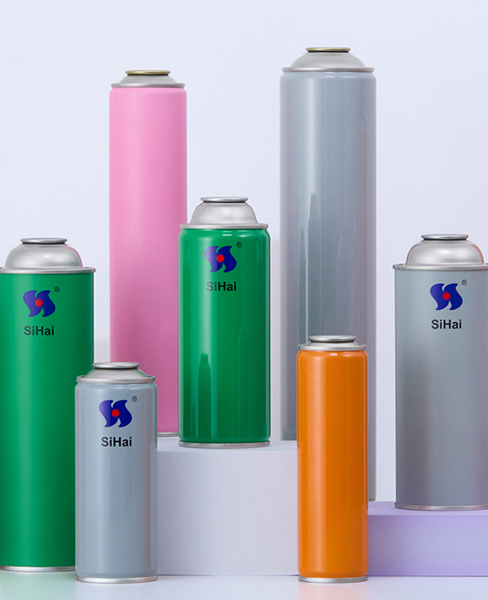
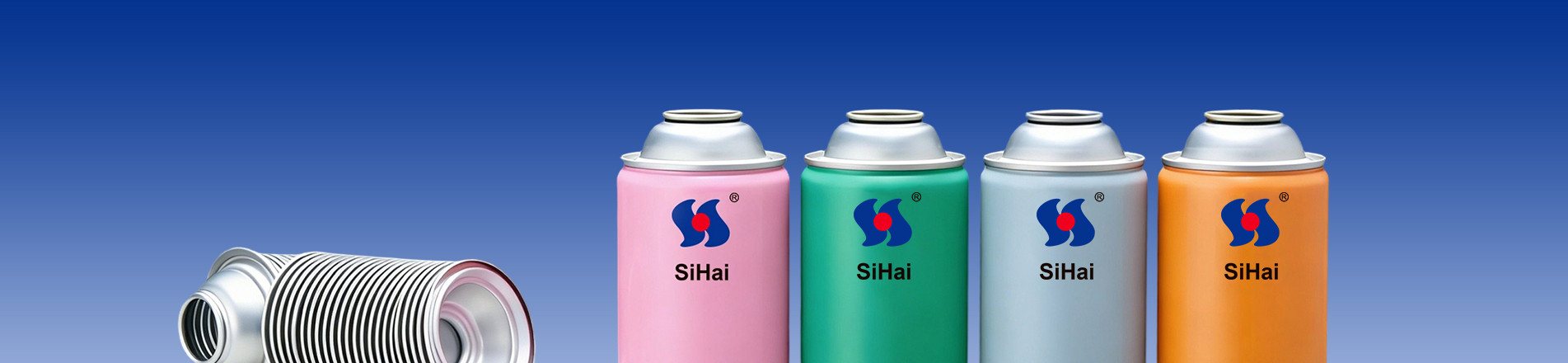
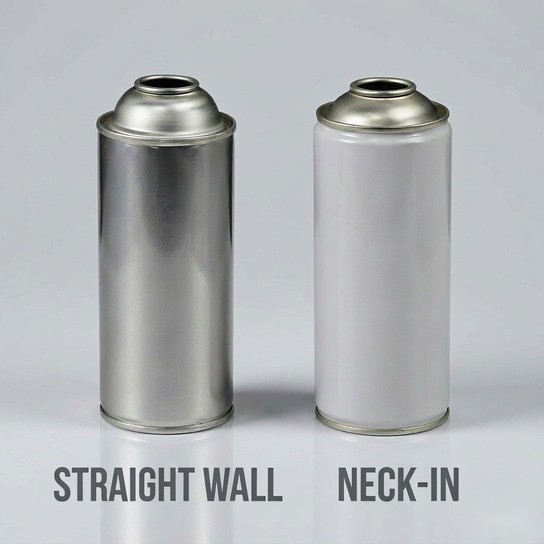
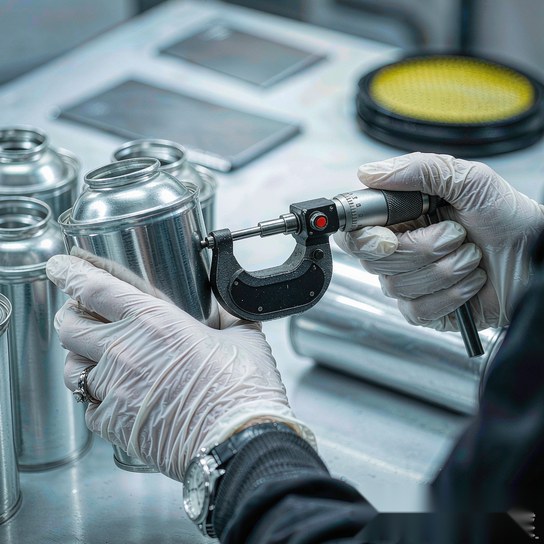
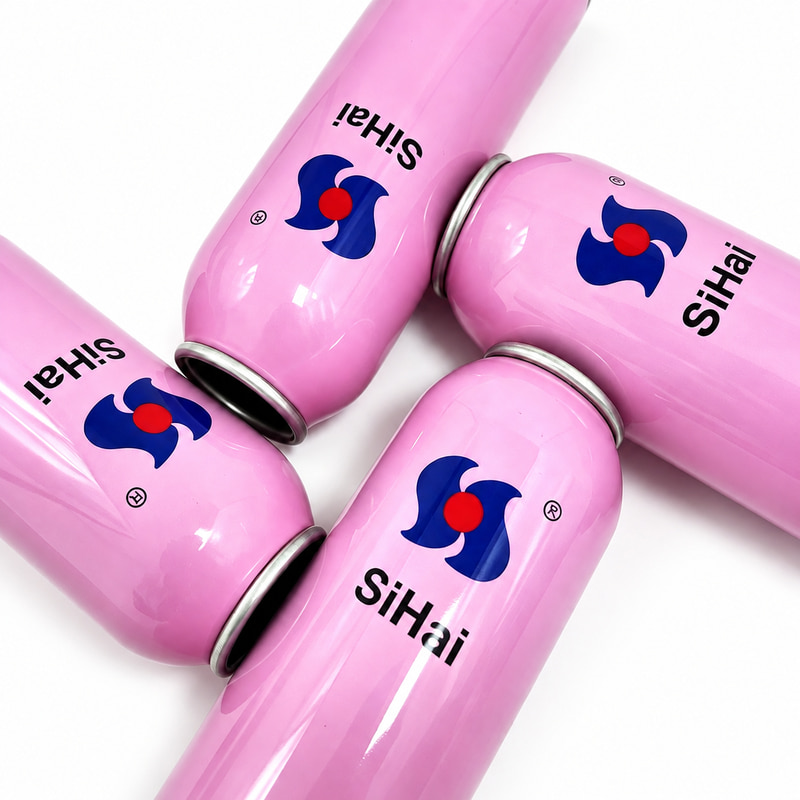




 en
 ru
 es
 pt
 zh-CN