Not all aerosol packaging needs are the same. At Guangdong Sihai, we understand that every product, every brand, and every market has unique requirements. That's why we treat every empty aerosol tin can as a blank canvas – ready to be tailored to your exact specifications.
Our customization capabilities go far beyond size. We offer diameters from 45mm to 70mm, heights from 98mm to 300mm, and flexible thickness options for can bodies, cones, and domes. Need a specific pressure rating? We produce both standard and high-pressure cans to match your filling needs. Want a particular coating or print finish? Our integrated iron-printing workshop enables seamless in-house decoration from start to finish.
Flexibility is built into our operations. With fully automated production lines and dedicated mold design teams, we can quickly adapt to small-batch trials or large-volume orders without compromising quality or delivery speed. Every empty tin can leaving our factory is backed by ISO9001:2015 quality controls.
From personal care to industrial chemicals, our clients trust us to deliver not just a product, but a packaging solution. We don't believe in one-size-fits-all – we believe in partnership, precision, and performance.
So whether you're launching a new product or optimizing an existing line, choose Sihai as your partner, and we'll turn every empty aerosol tin can into a tailored packaging solution that elevates your brand.
When exporting Aerosol Tin Cans, choosing the right packaging method is just as important as selecting high-quality cans. Proper packaging protects your products from scratches, deformation, moisture, and transportation damage, ensuring they arrive at your filling plant in perfect condition.
At SiHai, we offer both carton packing and pallet packing, but based on nearly 30 years of export experience, we strongly recommend pallet packing, especially for international shipments and LCL (Less than Container Load) cargo.
Why Packaging Matters for Aerosol Tin Cans
Unlike many other packaging products, aerosol tin cans are lightweight but easily affected by external pressure. During ocean transportation, cargo may be loaded and unloaded several times, stacked together with other goods, or transported over long distances.
Improper packaging can result in:
Scratches on the printed surface
Dents or deformation of the can body
Reduced appearance quality
Increased risk of customer complaints
Additional handling costs
Choosing the right packaging method helps minimize these risks.
Carton Packing: Suitable for Certain Applications
Carton packing is commonly used for domestic transportation or small-volume shipments.
Advantages
Lower packaging cost
Easy to unpack manually
Suitable for customers with limited storage equipment
Limitations
For international shipments, especially LCL cargo, carton packing has some disadvantages:
Cartons may become compressed during stacking.
Moisture can weaken corrugated cartons during sea transportation.
Multiple loading and unloading operations increase the risk of damage.
Printed aerosol cans may rub against each other, resulting in scratches.
Pallet Packing: The Recommended Solution for Aerosol Tin Cans
For most export orders, pallet packing is the preferred solution.
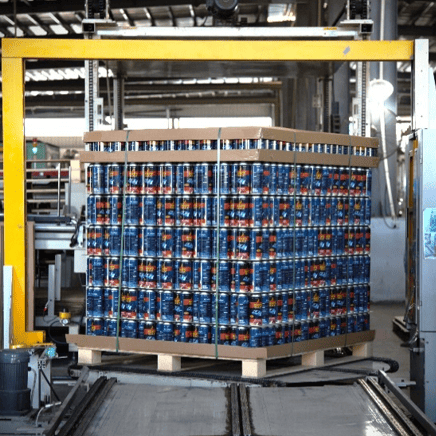
At SiHai, aerosol cans are securely stacked on export pallets with protective cardboard sheets between layers and wrapped with multiple layers of stretch film to ensure stability throughout transportation.
Benefits of Pallet Packing
1. Better Protection Against Damage
Pallets keep the entire load stable during transportation, significantly reducing movement that may cause dents or scratches.
2. Reduced Handling Risk
Instead of moving individual cartons, forklifts can transport the entire pallet safely, minimizing repeated manual handling.
3. Improved Moisture Protection
Combined with stretch wrapping and protective materials, pallet packing offers better resistance to humidity during sea freight.
4. Cleaner Product Arrival
Customers receive aerosol cans in organized pallet units, making unloading and warehouse management much easier.
5. Ideal for Long-Distance Export
Whether shipping to Europe, the Middle East, Southeast Asia, Africa, or South America, pallet packing has proven to provide superior protection throughout the logistics chain.
SiHai's Packaging Recommendation
At SiHai, every shipment is evaluated according to the customer's destination, transportation method, and product requirements.
While both packaging methods are available, we strongly recommend pallet packing for printed Aerosol Tin Cans and LCL export shipments. This recommendation comes from decades of manufacturing and exporting experience, helping customers reduce transportation risks and maintain the appearance and quality of their products.
For customers with special packaging requirements, our engineering and logistics teams are always available to evaluate customized packing solutions.
For nearly three decades, the aerosol industry has evolved dramatically. Yet, one constant remains: the need for reliable, high-quality packaging. As a manufacturer with 28 years of experience in air-pressurized tin cans, we have witnessed trends come and go, but our commitment to precision engineering and sustainable practices has never wavered.
Today, we want to take a closer look at the unsung hero of the consumer goods world: the empty aerosol tin can.
What Makes an Empty Aerosol Tin Can "Premium"?
Not all aerosol cans are created equal. When you choose a can for your product—whether it is personal care, household cleaning, automotive, or industrial lubricants—the integrity of the container is non-negotiable. Our journey of 28 years has taught us that a premium empty aerosol tin can must excel in three key areas:
1. Internal Coating Integrity: The inside of the can must be perfectly coated to prevent chemical reactions between the product and the tinplate. A flawed coating leads to corrosion, which ruins the product and damages the brand reputation.
2. Valve Compatibility: The curl and neck of the can must be engineered to micro-precision. Even a 0.1mm deviation can cause valve leakage or improper crimping.
3. Pressure Resistance: Whether you are using hydrocarbon or compressed air propellants, the can must withstand high internal pressures without deforming.
The Sustainability Angle: Tin vs. Plastic
In an era where sustainability is paramount, metal packaging is experiencing a renaissance. Empty aerosol tin cans are 100% recyclable, and tinplate is one of the most recycled materials in the world.
Unlike plastic alternatives, tin does not degrade in quality during the recycling process. By choosing our tin cans, you are not just choosing a container; you are making a statement about your brand’s commitment to the circular economy.
The "28-Year" Difference Experience matters. We are not a startup trying to figure out the nuances of the industry. We are the experts who have survived and thrived through economic shifts, regulatory changes, and technological revolutions. Here is what our 28-year history brings to your doorstep:
· Tried-and-Tested Materials: We source the highest-grade tinplate from trusted mills, ensuring consistency in thickness and ductility.
· Rigorous Quality Control: Our production lines feature advanced leak-testing equipment. We reject defects at the source, ensuring that every "empty" can you receive is actually "perfect."
· Industry Insight: We understand the logistics of shipping empty aerosol cans. We know how to pack them to prevent dents and how to manage supply chains to ensure you never run out of stock.
Customization and Versatility
Our "empty" cans are a blank canvas. We offer a variety of standard sizes and finishes. Furthermore, we can work with you on custom shaping, decorative printing, and specialized necks to set your product apart in a crowded marketplace.
As we look ahead, we see a continued shift towards "air-pressurized" (bag-on-valve) systems that separate the product from the propellant. Our 28 years of manufacturing experience has allowed us to adapt our tin can specifications to suit these advanced technologies seamlessly.
An empty aerosol tin can is more than just a package; it is a critical component of your product's performance and your brand's image. When you partner with a manufacturer with 28 years of pedigree, you gain peace of mind, quality assurance, and a partner who understands your business.
Are you ready to upgrade your packaging? Contact us today to discuss your specific requirements and let our experience work for you.
Aerosol can sprays have become an indispensable part of modern life thanks to their unique strengths and wide-ranging uses. For instance, classic straight wall aerosol cans are widely recognized for their structural stability and timeless design.
The most obvious advantage lies in outstanding convenience. Whether using standard containers or sleek necked-in aerosol cans, users only need to press the nozzle to release fine mist, foam or liquid directly, with no extra tools, dilution or complicated preparation required. This one-handed operation allows precise and even coverage on target surfaces, reaches narrow, hard-to-access corners easily, and effectively cuts down product waste. Besides, the hermetically sealed cans keep contents away from air and bacteria, extending shelf life and avoiding contamination. Portable and leak-proof, they are also easy to carry for travel or outdoor use.
Such practical merits make aerosol sprays popular across countless fields. In daily life, we use air fresheners, disinfectant sprays, hair sprays and sunscreen sprays for household cleaning and personal care. In the industrial and automotive sectors, they serve as spray paints, mechanical lubricants and rust removers for equipment maintenance. The medical industry relies on aerosol inhalers and wound relief sprays for safe, contact-free drug delivery. Even the food industry applies food-grade aerosol cans to pack cooking oil and whipped cream.
With continuous upgrades in eco-friendly propellants and recyclable packaging, such as the compact and highly versatile 45mm aerosol tin cans, aerosol sprays will maintain their important role in daily consumption and industrial production in the future.
Guangdong Sihai Iron-Printing and Tin-Making Co.,Ltd. was founded in 1998, located in the beautiful tourist city of Zengcheng, Guangzhou. Our company covers an area of 38,000 square meters and our main business is tinplate trading, coil cutting, coating, printing and tin-making. Our company has 3 advanced Japan Fuji PRIMEX-F452 print lines, 3 paint lines and 9 high-speed tin-making lines, and more than 25 automatic punching machines and plastic injection machines, with an annual production capacity of 380 million tins. We are guided by the business purpose of "quality first, customer first" to provide you with high quality products and efficient services. We invite you to visit our company. Therefore, we welcome all interested companies to contact us for future business discussion. We believe we can guarantee your satisfaction by meeting all your requirements.
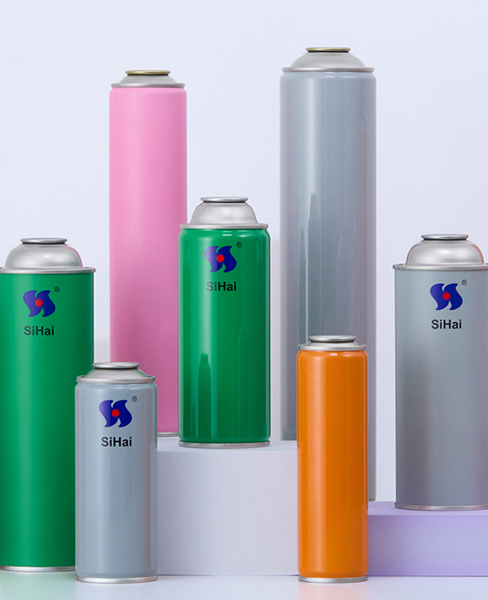
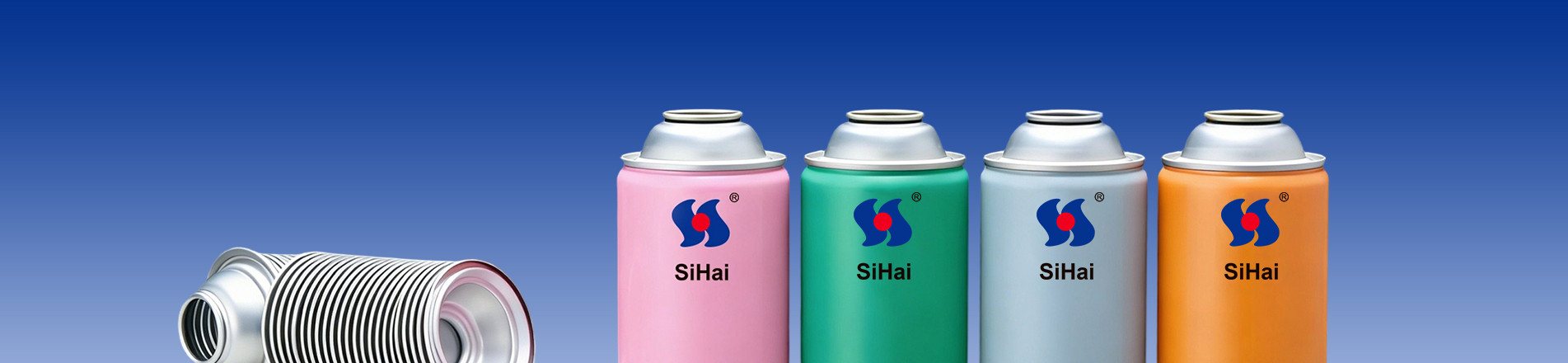
We have full series aerosol tin can, including diameter 45/52/57/60/65/70mm, height from 90-300mm.
Our Advantage
----High Quality raw material-Tinplate----Specialized technique team----Strict QC system ----Short lead time----Professional Sales Team----In time after-sales service
In aerosol packaging, a aerosol can is more than a container — it's a safety barrier. That’s why at Guangdong Sihai, quality control isn't an afterthought; it's built into every step of our process.
We produce all our 3-piece aerosol cans strictly in accordance with GB13042-2008 and operate under the ISO9001:2015 quality management system. But standards are just the starting point. Our in-house laboratory allows us to continuously monitor deformation and burst resistance, ensuring every can meets precise pressure requirements: standard cans withstand deformation ≥1.2Mpa and burst ≥1.4Mpa, while high-pressure variants reach deformation ≥1.8Mpa and burst ≥2.0Mpa.
We also recognize that safety means reliability at scale. Our automated production lines don’t just boost speed — they reduce human error, ensuring that every batch, whether for personal care or industrial applications, meets the same high bar.
At Sihai, we believe quality is not a department — it's a culture. And it's the reason our cans are trusted across global markets.
Aerosol products have become an essential part of modern life and industrial production. From automotive maintenance and household cleaners to paints, lubricants, adhesives, insecticides, and personal care products, aerosol cans offer convenience, efficiency, and precise application.
However, because aerosol cans contain pressurized contents and propellants, proper handling and storage are critical to ensuring user safety and product integrity. At SiHai, we believe that quality aerosol packaging should not only perform reliably but also support safe use throughout the product's lifecycle.
Understanding the Potential Hazards of Aerosol Cans
Aerosol cans are designed to safely contain pressurized products under normal conditions. However, improper storage, handling, or disposal can create serious risks.
1. Fire and Explosion Hazards
Many aerosol formulations contain flammable solvents or propellants. When released as a fine mist, these substances can ignite easily if exposed to:
Open flames
Sparks
Electrical equipment
Hot surfaces
Excessive temperatures
Exposure to high heat can also increase the internal pressure of the can, potentially leading to rupture or explosion.
2. Pressure-Related Injuries
Aerosol cans are engineered to withstand internal pressure, but physical damage can compromise their integrity.
Potential risks include:
Puncturing the can
Crushing during storage or transportation
Exposure to extreme temperatures
Improper disposal in compactors or incinerators
A ruptured can may release contents violently and cause injuries from flying metal fragments or chemical exposure.
3. Health and Chemical Exposure Risks
Depending on the product formulation, aerosol contents may contain chemicals that can cause:
Respiratory irritation
Eye irritation
Skin sensitivity
Dizziness or headaches from prolonged inhalation
Using aerosol products in poorly ventilated areas significantly increases these risks.
4. Environmental Impact
Improper disposal of aerosol cans can contribute to environmental contamination through:
Chemical leakage
Soil and water pollution
Waste handling hazards
Fire risks in landfills and recycling facilities
Responsible disposal is essential to minimize environmental impact.
Best Practices for Safe Aerosol Can Storage
Proper storage is the first step in maintaining aerosol can safety.
Store in a Cool, Dry Environment
Aerosol cans should always be stored:
Away from direct sunlight
Away from heaters, furnaces, and other heat sources
In temperatures recommended by the product manufacturer
In well-ventilated areas
Excessive heat can increase internal pressure and compromise container safety.
Keep Cans Upright
Storing cans in an upright position helps:
Prevent valve damage
Reduce the risk of leakage
Maintain product performance
Avoid Excessive Stacking
Overstacking can cause:
Container deformation
Accidental falls
Product damage
Increased risk during warehouse handling
Following proper palletizing and warehouse storage practices is highly recommended.
Safe Aerosol Can Handling and Usage
Never Puncture or Burn Aerosol Cans
Even when empty, aerosol cans may still contain residual pressure and product. Never:
Pierce the container
Crush the can
Burn or incinerate it
Use in Well-Ventilated Areas
Always operate aerosol products in areas with adequate airflow to minimize inhalation exposure.
For industrial applications, additional ventilation systems may be required depending on the formulation being used.
Wear Appropriate Personal Protective Equipment
When handling industrial aerosol products, consider using:
Safety gloves
Protective eyewear
Respiratory protection when required
Personal protective equipment should be selected according to the product's Safety Data Sheet (SDS).
Avoid Ignition Sources
Never spray aerosol products near:
Open flames
Welding operations
Electrical sparks
High-temperature equipment
This is particularly important for flammable aerosol formulations.
Responsible Disposal and Recycling
Proper disposal is an important part of aerosol can safety management.
Follow Local Regulations
Different countries and regions have specific requirements for aerosol waste management. Always comply with local regulations regarding disposal and recycling.
Recycle Empty Aerosol Cans Whenever Possible
Most empty aerosol cans manufactured from tinplate or aluminum can be recycled through approved metal recycling programs.
Before recycling:
Ensure the can is completely empty.
Follow local recycling guidelines.
Verify acceptance requirements with your waste management provider.
Do Not Dispose of Partially Filled Cans in General Waste
Aerosol cans containing residual product may still present:
Pressure hazards
Fire hazards
Environmental risks
These containers should be handled according to hazardous waste disposal regulations where applicable.
The Role of High-Quality Packaging in Aerosol Safety
Aerosol safety begins with reliable packaging. High-quality aerosol cans are designed to maintain pressure integrity, resist corrosion, and protect product performance throughout transportation, storage, and use.
At SiHai, we manufacture aerosol packaging solutions with strict quality control standards, including:
High-quality tinplate materials
Precision welding technology
Reliable internal coatings
100% leak detection procedures
Compliance with international packaging requirements
Our commitment to safety and quality helps customers deliver dependable aerosol products to markets worldwide.
Conclusion
Aerosol cans are safe and highly effective packaging solutions when used correctly. By following proper storage, handling, and disposal practices, manufacturers, distributors, and consumers can significantly reduce risks and maximize product safety.
At SiHai, we remain committed to producing high-quality aerosol packaging that supports both performance and safety. If you are looking for a reliable partner for aerosol cans, cones, domes, or tinplate printing solutions, our team is ready to support your next project.
Contact us today to learn more about our aerosol packaging solutions.
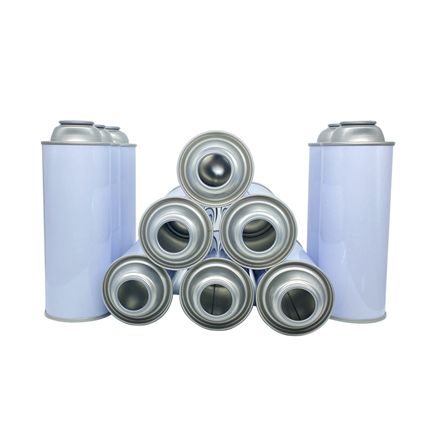
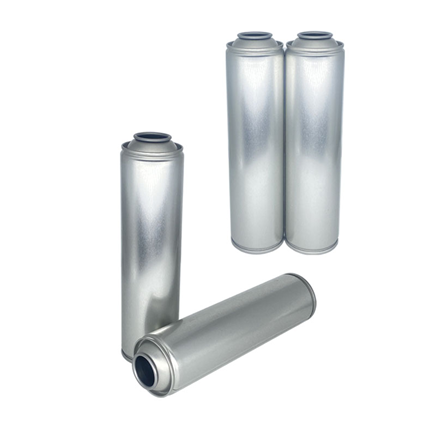
As a trusted manufacturer of empty three-piece aerosol cans, we understand the critical role these containers play across industries. Unlike two-piece cans, three-piece aerosol cans are constructed from three separate components: the body, the cone (top), and the dome (bottom). These parts are welded and sealed to create a robust, high-pressure vessel ideal for countless products.
Why choose three-piece cans? First, they offer exceptional design flexibility. You can easily adjust the height, diameter, and decoration to fit your branding and filling needs. Second, their welded side seam provides superior strength, making them perfect for products requiring higher pressure, such as automotive sprays, industrial lubricants, paints, or household cleaners. They also support a wider range of valve and actuator systems.
Our Guangdong SIHAI as a professional manufacturer of empty aerosol tin cans, has accumulated nearly 30 years of production experience to date. Our empty cans are manufactured to strict safety standards, ensuring leak-proof performance and compatibility with various propellants. Whether you are launching a new air freshener, insect repellent, or personal care product, our three-piece aerosol cans deliver reliability and customizability. Partner with us for quality cans that empower your brand from fill to finish.
Why Artwork Proofing Is Critical for Custom Aerosol Tin Can Printing
In the aerosol packaging industry, product quality is not only determined by can performance and sealing reliability. For brands competing in today’s market, packaging appearance has become equally important. A high-quality printed aerosol tin can directly influences customer perception, brand recognition, and purchasing decisions.
At SiHai, we understand that a flawless final product begins long before mass production starts. Precision in tinplate printing requires strict control, professional communication, and detailed artwork verification. That is why we place great importance on our artwork proofing process to ensure every custom aerosol can perfectly matches our customer’s expectations.
Why Artwork Proofing Matters in Aerosol Tin Can Manufacturing
Printing on tinplate is very different from standard paper or plastic printing. Factors such as metal surface reflection, coating performance, color tolerance, can curvature, and production positioning all influence the final result.
Without a proper proofing process, problems may occur during production, including:
Color differences between design and finished cans
Missing or unclear small details
Incorrect barcode or logo positioning
Text distortion near cone and dome areas
Printing alignment deviation after can forming
For this reason, SiHai follows a strict multi-step verification system before mass production begins.
Step 1: Digital Artwork Proofing
After receiving the customer’s artwork file, our professional design and Quality Assurance team immediately conducts a detailed review.
During this stage, we carefully check:
Artwork dimensions and layout
CMYK and PANTONE color settings
Barcode clarity and readability
Font compatibility and missing elements
Printing position on the aerosol can template
Safety margins for rolling and seaming areas
Because aerosol cans are formed from printed tinplate sheets, some areas near the top and bottom must reserve production margins to avoid text or graphics being rolled into the seams during manufacturing.
If any issue is identified, our team communicates with the customer immediately to adjust and optimize the artwork before approval.
Normally, the digital proofing process can be completed within 2–3 working days.
Step 2: Color Range Board Approval
Color consistency is one of the most important requirements for branded aerosol packaging.
After digital artwork approval, SiHai produces physical Color Range Boards based on the actual tinplate printing process. These boards define the acceptable color tolerance range, including:
Light Limit
Dark Limit
Approved production color standard
This process is extremely important because the appearance of colors on tinplate can differ from digital screens due to metal reflection, varnish effects, and printing conditions.
By approving the Color Range Board before production, customers can clearly confirm the expected final printing effect and ensure all future production batches maintain stable color consistency.
Step 3: Pre-Production Sample (PPS)
Before official mass production begins, SiHai creates a Pre-Production Sample using the actual production line and manufacturing process.
This allows customers to review:
Final printing appearance
Color accuracy
Gloss or matte varnish effect
Seam positioning
Overall visual presentation
Compatibility with filling line requirements
The PPS serves as the final confirmation step before large-scale production proceeds.
For urgent orders, and only with customer approval, production may proceed based on approved color boards first, while the PPS is sent together with the first production batch for confirmation.
Why Customers Choose SiHai for Aerosol Tin Can Printing
With nearly 30 years of manufacturing experience, SiHai has built a complete production and quality management system for aerosol packaging.
Our advantages include:
Advanced Japanese Fuji printing equipment
CMYK + PANTONE printing capability
Professional tinplate coating solutions
Strict color control procedures
Experienced technical and QC teams
Fast communication during artwork confirmation
Stable mass production quality
We believe that excellent packaging starts with excellent communication. Every project is treated carefully to ensure the customer’s brand image is accurately reproduced on every aerosol can.
Partner with SiHai for Reliable Aerosol Packaging Solutions
At SiHai, we are committed to helping customers achieve both product safety and premium packaging appearance. Whether you require custom aerosol cans, printed tinplate, cones and domes, or complete aerosol packaging support, our team is ready to assist you professionally and efficiently.
If you are looking for a reliable aerosol tin can manufacturer in China, feel free to contact us for:
Artwork evaluation
Sample support
Printing consultation
Technical recommendations
Customized aerosol packaging solutions
.
Empty aerosol tin cans are more than just containers—they’re the foundation of countless products, from paints and lubricants to cosmetics and household sprays. As a leading supplier, we understand that the right can make all the difference in performance, safety, and market appeal.Why Quality MattersA well-engineered aerosol tin ensures:· Perfect Seal: Prevents leaks and preserves propellant integrity.· Durability: Withstands internal pressure and handling.· Smooth Functionality: Consistent valve operation for reliable spray every time.· Customization: Ready for branding with prints and finishes that attract eyes on shelves.Versatile ApplicationsThese cans are indispensable across industries:· Automotive (degreasers, tire inflators)· DIY & Paints· Cosmetics (hairsprays, mousses)· Industrial & Cleaning products· Gardening & InsecticidesPartner with a Trusted SupplierChoosing the right supplier means securing:· Consistent quality and timely delivery· Compliance with international safety standards· Options for sizes, valves, and custom designs· Expert support from prototype to productionEmpty aerosol tins are your product’s first impression. Make it strong, safe, and sustainable.
Ready to package your next big idea? Contact us for premium empty aerosol tin solutions tailored to your needs.
The three-piece tinplate aerosol can consists of a can body, a top cone, and dome. Its manufacturing process begins with cutting tinplate sheets into rectangular blanks. These blanks are then rolled into a cylindrical shape as can body, and the side seam is formed by soldering the two ends together longitudinally. Subsequently, the circular cone and dome are attached to the can body via a welding process to complete the can.
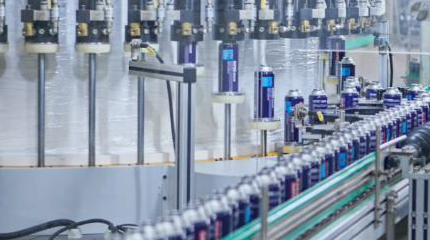
The production steps are as follows: Tinplate Cutting → Coating & Printing → Welding → Can Making → Leak Testing → Packing & Shipping.
Guangdong SIHAI is a specialized manufacturer of empty three-piece tinplate cans, committed to producing the world's safest aerosol cans with 27 years of experience. We operate 3 printing lines, 25 cone and dome pressing lines, and 9 can-making lines, achieving an annual production capacity of 300 million cans.
If you have any requirements for empty aerosol tin cans, please feel free to contact us. Welcome for your inquiry!
You hear that final, sputtering hiss. The paint is spent, the whipped cream is gone, or the last bit of air freshener has been released. You’re left holding an empty aerosol tin can. For most of us, the immediate next step is the trash can.But wait! That humble can has a whole new life waiting for it, provided we handle it with a little care and a lot of creativity.First things first, let's talk about the Golden Rule of Empty Aerosols: Safety First.It might be "empty" to us, but it often contains propellant residue and is technically considered pressurized waste. Never attempt to puncture, crush, or incinerate these cans. They can be dangerous if mishandled.So, before you get crafty, always ensure the can is completely empty and check your local recycling guidelines. In many places, empty aerosol cans are fully recyclable with other metal packaging. Just be sure to remove any plastic caps (which often recycle separately) and don't compact them in your recycling bin.Once you've got the safety and recycling green light, the fun begins! Here are some creative ways to upcycle these versatile little containers:1. The Miniature Storage MarvelsTheir sleek, cylindrical shape is perfect for organizing small items.· Artist's Dream: Store paintbrushes, pencils, pens, or even makeup brushes. A quick coat of spray paint on the outside can unify a mismatched set.· Workshop Hero: Keep nails, screws, bolts, and other small hardware sorted. You can even glue a magnet to the bottom to stick them to a tool board.· Kitchen Helper: Use them to hold kitchen utensils, chopsticks, or even as a unique vase for small, fresh herbs like rosemary or thyme.2. A Pop of Garden CharmWith proper preparation (a good cleaning and drilling a few drainage holes in the bottom), aerosol cans can become quirky additions to your garden.· Mini Planters: They are the perfect size for succulents, small cacti, or herbs. Their metallic look creates a cool, industrial-chic vibe.· Decorative Garden Markers: Paint the outside with chalkboard paint and write the name of your plants. Or, get artistic and paint the names directly onto the can.3. Unleash Your Inner ArtistThe can itself is a fantastic canvas or a component for larger art projects.· Sculptural Elements: Flatten them (if safe to do so without puncturing) and incorporate the metal into mixed-media artwork.· Wind Chimes: Clean, painted cans of different sizes can be hung together to create gentle, tinkling wind chimes.· Festive Lanterns: Carefully punch patterns into the sides of the can with a hammer and nail (while wearing safety glasses!). Place a battery-operated tea light inside for a beautiful, ambient glow.Why Bother?Every time we upcycle, we do a small favor for our planet. We reduce the demand for new raw materials, save energy, and keep waste out of landfills. That empty can of hairspray or paint isn't just trash; it's a potential resource, a tiny blank slate.So, the next time you go to toss one, pause for a moment. Listen to that final, empty hiss not as an end, but as an invitation to imagine something new.What will you create?---Remember:· Always ensure cans are completely empty.· Never puncture, crush, or burn them.· Check local regulations for recycling or disposal as hazardous waste.
· Clean cans thoroughly before any craft project.





 en
 ru
 es
 pt
 zh-CN