For chemical manufacturers and industrial lubricant brands, creating a high-performance chain lubricant formula is only half the battle. The delivery mechanism—the aerosol packaging itself—determines product performance, shelf life, and user safety.
Because industrial chain lubricants often rely on aggressive solvent carriers, heavy tackifiers, and high internal pressures, selecting the right aerosol can is critical to preventing leakage, clogging, and container degradation.
Why Aerosol Packaging Matters for Chain Lubricant Brands
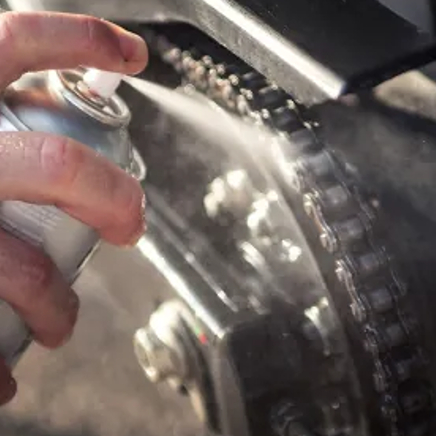
Chain lubricants require precise, high-pressure delivery to force viscous oils and extreme-pressure (EP) additives deep into tight pin-and-bushing tolerances. Standard packaging simply won't suffice for demanding industrial applications.
Formula & Propellant Compatibility: High-performance tinplate and aluminum aerosol cans withstand aggressive solvent carriers and chemical propellants without inner lining breakdown or corrosion.
Internal Pressure Resistance: Specially designed can domes and bottoms handle higher pressure ratings, ensuring consistent burst pressure integrity and safety during storage and transport.
Clogging Prevention: Custom valve and actuator pairing ensures sticky, highly tackified formulas dispense smoothly without clogging the orifice between uses.
Enhanced Shelf Life: Advanced interior lacquers and seamless body construction protect against internal oxidation, keeping the lubricant active and stable over extended shelf lives.
Key Technical Considerations for Industrial Aerosol Cans
When choosing aerosol packaging for heavy-duty lubricant formulations, prioritize the following engineering specifications:
Feature
Packaging Advantage
Custom Interior Coatings
Specialized epoxy-phenolic or water-based linings prevent chemical degradation caused by active solvent additives.
High Burst Pressure Specs
Reinforced bottom profiles (doming) handle high-pressure propellants safely in extreme thermal environments.
Precision Valve Integration
Engineered to pair seamlessly with 360-degree (invertible) valves and extension straw actuators for tight-space application.
Branded Surface Decorating
Lithographic printing directly on tinplate or aluminum ensures high-impact branding that resists scratch and solvent damage.
Supporting B2B Fillers and Chemical Manufacturers
Whether you are launching a new line of synthetic aerosol chain sprays or upgrading existing packaging for heavy industrial drive systems, your aerosol packaging supplier should offer:
Rigorous Pressure & Compatibility Testing: Tailored testing to ensure your specific solvent-propellant mix reacts safely with internal can lacquers and gaskets.
Flexible Sizing Options: Availability of standard body diameters and customizable fill volumes to suit both retail consumer sizes and heavy-duty industrial formats.
Reliable Supply Chain Delivery: Consistent, high-volume manufacturing lines that keep your filling operations running smoothly without downtime.
When you pick up an aerosol product—whether it is household insect repellent, an industrial lubricant, or a personal care spray—the last thing you think about is the container that holds it. Yet, that humble metal vessel plays a critical role in ensuring safety, performance, and user satisfaction. At Guangdong Sihai Iron-Printing and Tin-Making Co., Ltd., we have been perfecting this essential component for over 25 years.
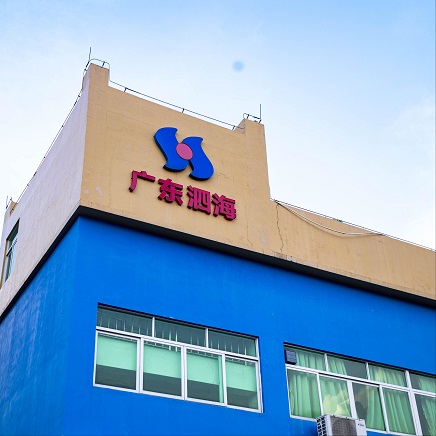
Founded in 1998 and headquartered in Zengcheng District, Guangzhou, our company operates from a 38,000-square-meter facility that integrates iron cutting, printing, can manufacturing, and cone and dome trading. Every empty aerosol tin can that leaves our factory undergoes rigorous quality control, from raw material inspection to final packaging. Our commitment to excellence is backed by ISO9001:2015 certification and full compliance with GB13042-2008 standards, ensuring that each can meets both domestic and international safety requirements.
One of our key strengths lies in our production capabilities. We operate 16 fully automatic pressing lines for cones and 9 lines for domes, achieving impressive production speeds of 320 pieces per minute and 900 pieces per minute, respectively. This efficiency allows us to meet large-volume orders while maintaining consistent quality. Our product range covers diameters of 45mm, 52mm, 57mm, 60mm, 65mm, and 70mm, with customizable heights to suit diverse applications. Additionally, our independent laboratory and in-house mold design team enable us to develop tailored solutions for customers with specialized requirements.
Beyond our technical capabilities, we are guided by a clear set of values: integrity, professionalism, steady development, and shared success. These principles have earned us long-term partnerships with renowned companies across the globe. Our business strategy—"dedication, quality assurance, efficiency, and win-win cooperation"—ensures that every client receives responsive service and reliable products.
As we continue to expand our footprint in both domestic and international markets, Guangdong Sihai remains steadfast in our mission: to provide safe, high-quality aerosol packaging solutions worldwide. We invite you to learn more about our products and capabilities. Whether you need a standard can or a custom-designed solution, we are ready to partner with you for mutual growth.
At Guangdong SIHAI Iron-Printing & Tin-Making Co., Ltd., we understand that the packaging is just as important as the product inside it. For decades, we have specialized in the precision manufacturing of high-quality metal packaging, specifically empty aerosol tin cans and empty aerosol aluminum cans.
But what is the difference between these two materials, and why does it matter for your business? As a leading supplier in the industry, we believe that understanding these nuances is key to selecting the right packaging solution for your brand.
Understanding Empty Aerosol Tin Cans
Tinplate (tin) cans are the traditional workhorse of the aerosol industry. At SIHAI, we utilize advanced iron-printing technology to ensure our empty aerosol tin cans are not only durable but also visually stunning.
The SIHAI Advantage with Tin:
· Superior Printability: Because we are an integrated iron-printing factory, we have total control over the decoration process. Tin cans offer a brilliant canvas for high-definition lithographic printing, allowing your product to stand out on crowded shelves.
· Unmatched Strength: Tinplate is highly resistant to physical damage, making it ideal for products that require high-pressure filling or robust shipping conditions.
· Cost-Effectiveness: For high-volume production runs, tin cans offer a highly economical solution without compromising on quality or aesthetics.
The Benefits of Empty Aerosol Aluminum Cans
In recent years, aluminum has taken the packaging world by storm. Our empty aerosol aluminum cans are engineered for modern demands, offering a sleek, seamless design that appeals to the premium market.
The SIHAI Advantage with Aluminum:
· Lightweight & Sustainable: Aluminum is lightweight, which reduces shipping costs and carbon footprints. Furthermore, it is infinitely recyclable, helping our clients meet their ESG (Environmental, Social, and Governance) goals.
· Corrosion Resistance: Aluminum naturally resists rust, making it the preferred choice for toiletries, pharmaceuticals, and high-moisture environments.
· High Pressure Tolerance: The seamless design of aluminum cans allows for thinner walls with high burst strength, making them perfectly suited for products like deodorants, hairsprays, and air fresheners.
Why Choose Guangdong SIHAI?
As a manufacturer, we do not just "supply" cans; we provide comprehensive packaging solutions. Here is what sets us apart:
1. Integrated Production: As our name (Iron-Printing & Tin-Making) suggests, we are a fully integrated factory. We handle the printing and manufacturing in-house, ensuring faster lead times and strict quality control from start to finish.
2. Quality Assurance: We adhere to the highest international standards, ensuring that every can that leaves our factory is hermetically sealed and structurally flawless.
3. Customization: Whether you require a specific diameter, height, or a complex 8-color print, we have the technical expertise to bring your vision to life.
Choosing between an empty aerosol tin can and an empty aerosol aluminum can depends on your specific product needs, budget, and brand positioning. At Guangdong SIHAI Iron-Printing & Tin-Making Co., Ltd., we are committed to helping you find the perfect fit.
Ready to start your next packaging project? Contact us today to discuss your specific requirements. Let our tin and aluminum expertise power your brand’s success.
Aerosol cans are pressure-resistant tinplate packaging solutions specially engineered for aerosol products, consisting of four core components: the can body, precision sealing valve, spray actuator, and protective cap. Each component plays a vital role in ensuring the stable storage and smooth dispensing of aerosol products, with the sealing valve being particularly critical for maintaining internal pressure and preventing leakage.
Fabricated from high-quality tinplate with optimized thickness and mechanical properties, these cans exhibit exceptional pressure resistance, superior sealing performance, and reliable impact resistance. The stable internal pressure system, calibrated during production, ensures consistent and uniform atomization during dispensing, which not only enhances the user experience but also optimizes product utilization efficiency by minimizing waste.
The tinplate substrate possesses inherent excellent corrosion resistance, making it suitable for long-term storage of various chemical formulations. When combined with appropriate internal coating technology—such as epoxy or polyester coatings—it can safely accommodate a wide range of formulations, including personal care sprays, air fresheners, industrial cleaners, and insecticides, without the risk of chemical reactions between the substrate and the contents.
We offer a comprehensive range of standard capacity specifications, covering common sizes from small portable cans to large industrial containers. Additionally, we provide customized services for can height, diameter, and surface printing, allowing brands to tailor the packaging to their specific product positioning and market needs, enhancing brand recognition and product competitiveness.
Safety Precautions
As pressure vessels, refillable empty aerosol cans must be handled with strict adherence to safety guidelines. During storage, transportation, and usage, they must be kept away from direct sunlight, high-temperature environments, and open flames to prevent excessive internal pressure buildup. It is strictly prohibited to pierce, incinerate, or deform empty cans, as these actions may cause sudden pressure release and lead to safety hazards. Proper disposal of empty cans in accordance with local waste management regulations is also essential to protect the environment.
Not all aerosol packaging needs are the same. At Guangdong Sihai, we understand that every product, every brand, and every market has unique requirements. That's why we treat every empty aerosol tin can as a blank canvas – ready to be tailored to your exact specifications.
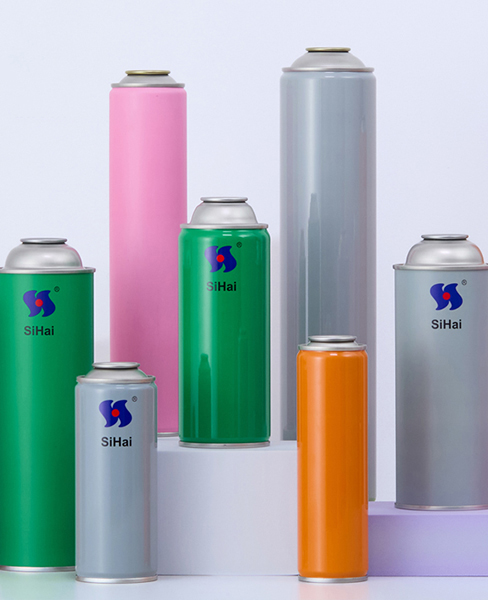
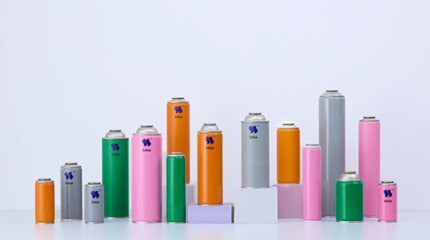
Our customization capabilities go far beyond size. We offer diameters from 45mm to 70mm, heights from 98mm to 300mm, and flexible thickness options for can bodies, cones, and domes. Need a specific pressure rating? We produce both standard and high-pressure cans to match your filling needs. Want a particular coating or print finish? Our integrated iron-printing workshop enables seamless in-house decoration from start to finish.
Flexibility is built into our operations. With fully automated production lines and dedicated mold design teams, we can quickly adapt to small-batch trials or large-volume orders without compromising quality or delivery speed. Every empty tin can leaving our factory is backed by ISO9001:2015 quality controls.
From personal care to industrial chemicals, our clients trust us to deliver not just a product, but a packaging solution. We don't believe in one-size-fits-all – we believe in partnership, precision, and performance.
So whether you're launching a new product or optimizing an existing line, choose Sihai as your partner, and we'll turn every empty aerosol tin can into a tailored packaging solution that elevates your brand.
When exporting Aerosol Tin Cans, choosing the right packaging method is just as important as selecting high-quality cans. Proper packaging protects your products from scratches, deformation, moisture, and transportation damage, ensuring they arrive at your filling plant in perfect condition.
At SiHai, we offer both carton packing and pallet packing, but based on nearly 30 years of export experience, we strongly recommend pallet packing, especially for international shipments and LCL (Less than Container Load) cargo.
Why Packaging Matters for Aerosol Tin Cans
Unlike many other packaging products, aerosol tin cans are lightweight but easily affected by external pressure. During ocean transportation, cargo may be loaded and unloaded several times, stacked together with other goods, or transported over long distances.
Improper packaging can result in:
Scratches on the printed surface
Dents or deformation of the can body
Reduced appearance quality
Increased risk of customer complaints
Additional handling costs
Choosing the right packaging method helps minimize these risks.
Carton Packing: Suitable for Certain Applications
Carton packing is commonly used for domestic transportation or small-volume shipments.
Advantages
Lower packaging cost
Easy to unpack manually
Suitable for customers with limited storage equipment
Limitations
For international shipments, especially LCL cargo, carton packing has some disadvantages:
Cartons may become compressed during stacking.
Moisture can weaken corrugated cartons during sea transportation.
Multiple loading and unloading operations increase the risk of damage.
Printed aerosol cans may rub against each other, resulting in scratches.
Pallet Packing: The Recommended Solution for Aerosol Tin Cans
For most export orders, pallet packing is the preferred solution.
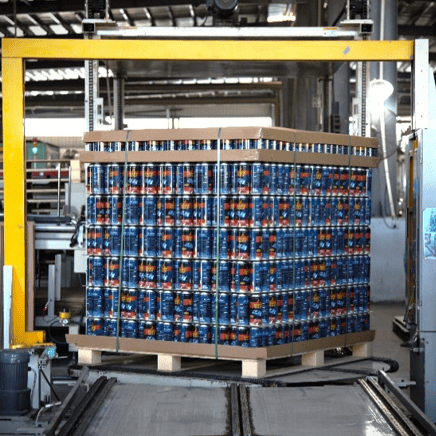
At SiHai, aerosol cans are securely stacked on export pallets with protective cardboard sheets between layers and wrapped with multiple layers of stretch film to ensure stability throughout transportation.
Benefits of Pallet Packing
1. Better Protection Against Damage
Pallets keep the entire load stable during transportation, significantly reducing movement that may cause dents or scratches.
2. Reduced Handling Risk
Instead of moving individual cartons, forklifts can transport the entire pallet safely, minimizing repeated manual handling.
3. Improved Moisture Protection
Combined with stretch wrapping and protective materials, pallet packing offers better resistance to humidity during sea freight.
4. Cleaner Product Arrival
Customers receive aerosol cans in organized pallet units, making unloading and warehouse management much easier.
5. Ideal for Long-Distance Export
Whether shipping to Europe, the Middle East, Southeast Asia, Africa, or South America, pallet packing has proven to provide superior protection throughout the logistics chain.
SiHai's Packaging Recommendation
At SiHai, every shipment is evaluated according to the customer's destination, transportation method, and product requirements.
While both packaging methods are available, we strongly recommend pallet packing for printed Aerosol Tin Cans and LCL export shipments. This recommendation comes from decades of manufacturing and exporting experience, helping customers reduce transportation risks and maintain the appearance and quality of their products.
For customers with special packaging requirements, our engineering and logistics teams are always available to evaluate customized packing solutions.
For nearly three decades, the aerosol industry has evolved dramatically. Yet, one constant remains: the need for reliable, high-quality packaging. As a manufacturer with 28 years of experience in air-pressurized tin cans, we have witnessed trends come and go, but our commitment to precision engineering and sustainable practices has never wavered.
Today, we want to take a closer look at the unsung hero of the consumer goods world: the empty aerosol tin can.
What Makes an Empty Aerosol Tin Can "Premium"?
Not all aerosol cans are created equal. When you choose a can for your product—whether it is personal care, household cleaning, automotive, or industrial lubricants—the integrity of the container is non-negotiable. Our journey of 28 years has taught us that a premium empty aerosol tin can must excel in three key areas:
1. Internal Coating Integrity: The inside of the can must be perfectly coated to prevent chemical reactions between the product and the tinplate. A flawed coating leads to corrosion, which ruins the product and damages the brand reputation.
2. Valve Compatibility: The curl and neck of the can must be engineered to micro-precision. Even a 0.1mm deviation can cause valve leakage or improper crimping.
3. Pressure Resistance: Whether you are using hydrocarbon or compressed air propellants, the can must withstand high internal pressures without deforming.
The Sustainability Angle: Tin vs. Plastic
In an era where sustainability is paramount, metal packaging is experiencing a renaissance. Empty aerosol tin cans are 100% recyclable, and tinplate is one of the most recycled materials in the world.
Unlike plastic alternatives, tin does not degrade in quality during the recycling process. By choosing our tin cans, you are not just choosing a container; you are making a statement about your brand’s commitment to the circular economy.
The "28-Year" Difference Experience matters. We are not a startup trying to figure out the nuances of the industry. We are the experts who have survived and thrived through economic shifts, regulatory changes, and technological revolutions. Here is what our 28-year history brings to your doorstep:
· Tried-and-Tested Materials: We source the highest-grade tinplate from trusted mills, ensuring consistency in thickness and ductility.
· Rigorous Quality Control: Our production lines feature advanced leak-testing equipment. We reject defects at the source, ensuring that every "empty" can you receive is actually "perfect."
· Industry Insight: We understand the logistics of shipping empty aerosol cans. We know how to pack them to prevent dents and how to manage supply chains to ensure you never run out of stock.
Customization and Versatility
Our "empty" cans are a blank canvas. We offer a variety of standard sizes and finishes. Furthermore, we can work with you on custom shaping, decorative printing, and specialized necks to set your product apart in a crowded marketplace.
As we look ahead, we see a continued shift towards "air-pressurized" (bag-on-valve) systems that separate the product from the propellant. Our 28 years of manufacturing experience has allowed us to adapt our tin can specifications to suit these advanced technologies seamlessly.
An empty aerosol tin can is more than just a package; it is a critical component of your product's performance and your brand's image. When you partner with a manufacturer with 28 years of pedigree, you gain peace of mind, quality assurance, and a partner who understands your business.
Are you ready to upgrade your packaging? Contact us today to discuss your specific requirements and let our experience work for you.
Aerosol can sprays have become an indispensable part of modern life thanks to their unique strengths and wide-ranging uses. For instance, classic straight wall aerosol cans are widely recognized for their structural stability and timeless design.
The most obvious advantage lies in outstanding convenience. Whether using standard containers or sleek necked-in aerosol cans, users only need to press the nozzle to release fine mist, foam or liquid directly, with no extra tools, dilution or complicated preparation required. This one-handed operation allows precise and even coverage on target surfaces, reaches narrow, hard-to-access corners easily, and effectively cuts down product waste. Besides, the hermetically sealed cans keep contents away from air and bacteria, extending shelf life and avoiding contamination. Portable and leak-proof, they are also easy to carry for travel or outdoor use.
Such practical merits make aerosol sprays popular across countless fields. In daily life, we use air fresheners, disinfectant sprays, hair sprays and sunscreen sprays for household cleaning and personal care. In the industrial and automotive sectors, they serve as spray paints, mechanical lubricants and rust removers for equipment maintenance. The medical industry relies on aerosol inhalers and wound relief sprays for safe, contact-free drug delivery. Even the food industry applies food-grade aerosol cans to pack cooking oil and whipped cream.
With continuous upgrades in eco-friendly propellants and recyclable packaging, such as the compact and highly versatile 45mm aerosol tin cans, aerosol sprays will maintain their important role in daily consumption and industrial production in the future.
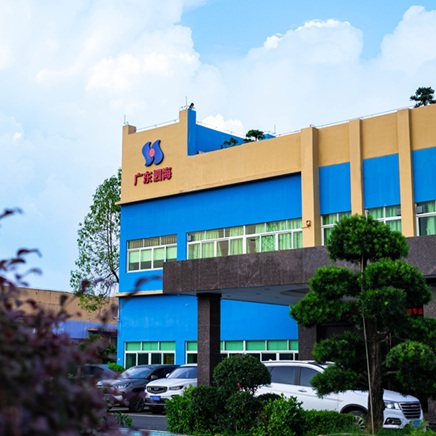
Guangdong Sihai Iron-Printing and Tin-Making Co.,Ltd. was founded in 1998, located in the beautiful tourist city of Zengcheng, Guangzhou. Our company covers an area of 38,000 square meters and our main business is tinplate trading, coil cutting, coating, printing and tin-making. Our company has 3 advanced Japan Fuji PRIMEX-F452 print lines, 3 paint lines and 9 high-speed tin-making lines, and more than 25 automatic punching machines and plastic injection machines, with an annual production capacity of 380 million tins. We are guided by the business purpose of "quality first, customer first" to provide you with high quality products and efficient services. We invite you to visit our company. Therefore, we welcome all interested companies to contact us for future business discussion. We believe we can guarantee your satisfaction by meeting all your requirements.
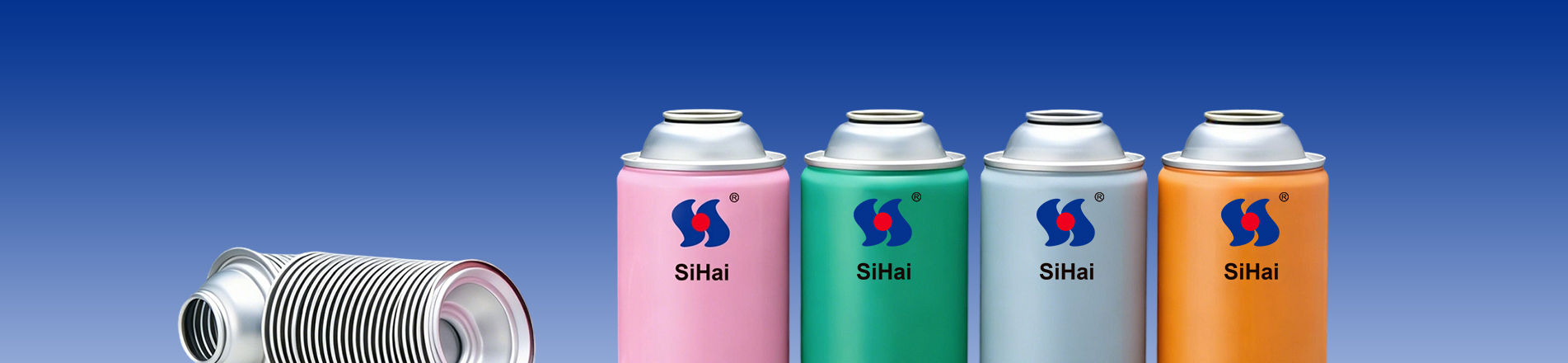
We have full series aerosol tin can, including diameter 45/52/57/60/65/70mm, height from 90-300mm.
Our Advantage
----High Quality raw material-Tinplate----Specialized technique team----Strict QC system ----Short lead time----Professional Sales Team----In time after-sales service
In aerosol packaging, a aerosol can is more than a container — it's a safety barrier. That’s why at Guangdong Sihai, quality control isn't an afterthought; it's built into every step of our process.
We produce all our 3-piece aerosol cans strictly in accordance with GB13042-2008 and operate under the ISO9001:2015 quality management system. But standards are just the starting point. Our in-house laboratory allows us to continuously monitor deformation and burst resistance, ensuring every can meets precise pressure requirements: standard cans withstand deformation ≥1.2Mpa and burst ≥1.4Mpa, while high-pressure variants reach deformation ≥1.8Mpa and burst ≥2.0Mpa.
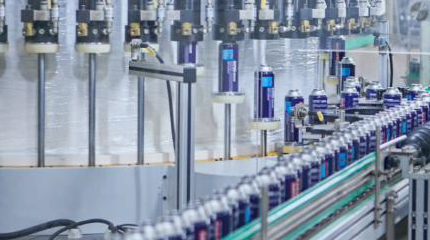
We also recognize that safety means reliability at scale. Our automated production lines don’t just boost speed — they reduce human error, ensuring that every batch, whether for personal care or industrial applications, meets the same high bar.
At Sihai, we believe quality is not a department — it's a culture. And it's the reason our cans are trusted across global markets.
Aerosol products have become an essential part of modern life and industrial production. From automotive maintenance and household cleaners to paints, lubricants, adhesives, insecticides, and personal care products, aerosol cans offer convenience, efficiency, and precise application.
However, because aerosol cans contain pressurized contents and propellants, proper handling and storage are critical to ensuring user safety and product integrity. At SiHai, we believe that quality aerosol packaging should not only perform reliably but also support safe use throughout the product's lifecycle.
Understanding the Potential Hazards of Aerosol Cans
Aerosol cans are designed to safely contain pressurized products under normal conditions. However, improper storage, handling, or disposal can create serious risks.
1. Fire and Explosion Hazards
Many aerosol formulations contain flammable solvents or propellants. When released as a fine mist, these substances can ignite easily if exposed to:
Open flames
Sparks
Electrical equipment
Hot surfaces
Excessive temperatures
Exposure to high heat can also increase the internal pressure of the can, potentially leading to rupture or explosion.
2. Pressure-Related Injuries
Aerosol cans are engineered to withstand internal pressure, but physical damage can compromise their integrity.
Potential risks include:
Puncturing the can
Crushing during storage or transportation
Exposure to extreme temperatures
Improper disposal in compactors or incinerators
A ruptured can may release contents violently and cause injuries from flying metal fragments or chemical exposure.
3. Health and Chemical Exposure Risks
Depending on the product formulation, aerosol contents may contain chemicals that can cause:
Respiratory irritation
Eye irritation
Skin sensitivity
Dizziness or headaches from prolonged inhalation
Using aerosol products in poorly ventilated areas significantly increases these risks.
4. Environmental Impact
Improper disposal of aerosol cans can contribute to environmental contamination through:
Chemical leakage
Soil and water pollution
Waste handling hazards
Fire risks in landfills and recycling facilities
Responsible disposal is essential to minimize environmental impact.
Best Practices for Safe Aerosol Can Storage
Proper storage is the first step in maintaining aerosol can safety.
Store in a Cool, Dry Environment
Aerosol cans should always be stored:
Away from direct sunlight
Away from heaters, furnaces, and other heat sources
In temperatures recommended by the product manufacturer
In well-ventilated areas
Excessive heat can increase internal pressure and compromise container safety.
Keep Cans Upright
Storing cans in an upright position helps:
Prevent valve damage
Reduce the risk of leakage
Maintain product performance
Avoid Excessive Stacking
Overstacking can cause:
Container deformation
Accidental falls
Product damage
Increased risk during warehouse handling
Following proper palletizing and warehouse storage practices is highly recommended.
Safe Aerosol Can Handling and Usage
Never Puncture or Burn Aerosol Cans
Even when empty, aerosol cans may still contain residual pressure and product. Never:
Pierce the container
Crush the can
Burn or incinerate it
Use in Well-Ventilated Areas
Always operate aerosol products in areas with adequate airflow to minimize inhalation exposure.
For industrial applications, additional ventilation systems may be required depending on the formulation being used.
Wear Appropriate Personal Protective Equipment
When handling industrial aerosol products, consider using:
Safety gloves
Protective eyewear
Respiratory protection when required
Personal protective equipment should be selected according to the product's Safety Data Sheet (SDS).
Avoid Ignition Sources
Never spray aerosol products near:
Open flames
Welding operations
Electrical sparks
High-temperature equipment
This is particularly important for flammable aerosol formulations.
Responsible Disposal and Recycling
Proper disposal is an important part of aerosol can safety management.
Follow Local Regulations
Different countries and regions have specific requirements for aerosol waste management. Always comply with local regulations regarding disposal and recycling.
Recycle Empty Aerosol Cans Whenever Possible
Most empty aerosol cans manufactured from tinplate or aluminum can be recycled through approved metal recycling programs.
Before recycling:
Ensure the can is completely empty.
Follow local recycling guidelines.
Verify acceptance requirements with your waste management provider.
Do Not Dispose of Partially Filled Cans in General Waste
Aerosol cans containing residual product may still present:
Pressure hazards
Fire hazards
Environmental risks
These containers should be handled according to hazardous waste disposal regulations where applicable.
The Role of High-Quality Packaging in Aerosol Safety
Aerosol safety begins with reliable packaging. High-quality aerosol cans are designed to maintain pressure integrity, resist corrosion, and protect product performance throughout transportation, storage, and use.
At SiHai, we manufacture aerosol packaging solutions with strict quality control standards, including:
High-quality tinplate materials
Precision welding technology
Reliable internal coatings
100% leak detection procedures
Compliance with international packaging requirements
Our commitment to safety and quality helps customers deliver dependable aerosol products to markets worldwide.
Conclusion
Aerosol cans are safe and highly effective packaging solutions when used correctly. By following proper storage, handling, and disposal practices, manufacturers, distributors, and consumers can significantly reduce risks and maximize product safety.
At SiHai, we remain committed to producing high-quality aerosol packaging that supports both performance and safety. If you are looking for a reliable partner for aerosol cans, cones, domes, or tinplate printing solutions, our team is ready to support your next project.
Contact us today to learn more about our aerosol packaging solutions.
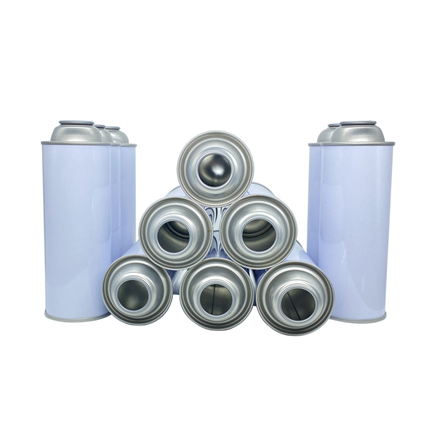
As a trusted manufacturer of empty three-piece aerosol cans, we understand the critical role these containers play across industries. Unlike two-piece cans, three-piece aerosol cans are constructed from three separate components: the body, the cone (top), and the dome (bottom). These parts are welded and sealed to create a robust, high-pressure vessel ideal for countless products.
Why choose three-piece cans? First, they offer exceptional design flexibility. You can easily adjust the height, diameter, and decoration to fit your branding and filling needs. Second, their welded side seam provides superior strength, making them perfect for products requiring higher pressure, such as automotive sprays, industrial lubricants, paints, or household cleaners. They also support a wider range of valve and actuator systems.
Our Guangdong SIHAI as a professional manufacturer of empty aerosol tin cans, has accumulated nearly 30 years of production experience to date. Our empty cans are manufactured to strict safety standards, ensuring leak-proof performance and compatibility with various propellants. Whether you are launching a new air freshener, insect repellent, or personal care product, our three-piece aerosol cans deliver reliability and customizability. Partner with us for quality cans that empower your brand from fill to finish.
.jpg)
.jpg)
.jpg)

 en
en ru
ru es
es pt
pt zh-CN
zh-CN